How to Administer the BCG Vaccine: A Complete Guide
BCG vaccine administration is a routine yet critical procedure in many newborn care protocols. Whether you’re a seasoned nurse, a community health worker, or a medical student prepping for clinical rotations, mastering the steps can make a big difference in safety and effectiveness. Below we walk through everything you need to know, from preparation to follow‑up, without drowning you in jargon.
Understanding the BCG Vaccine
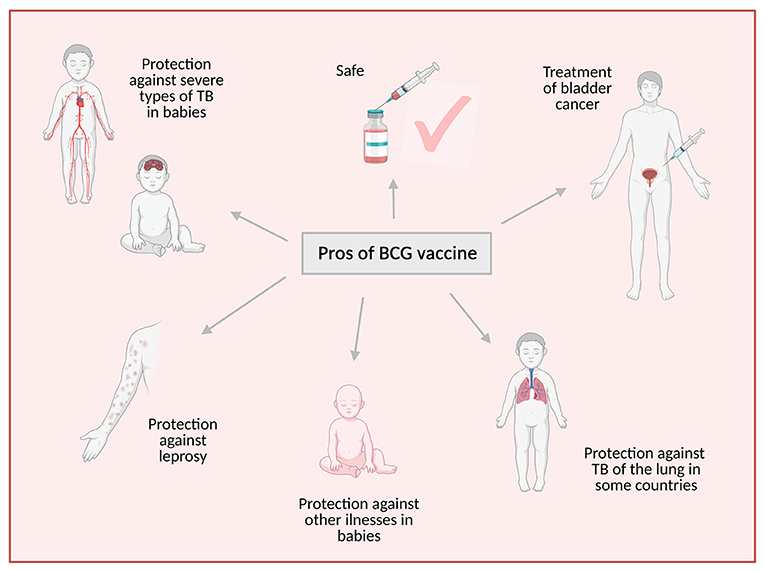
The Bacillus Calmette‑Guérin (BCG) vaccine is the only widely used vaccine against tuberculosis (TB). It contains a live, attenuated strain of Mycobacterium bovis and is typically given once, shortly after birth, to protect against severe forms of TB such as meningitis and disseminated disease. While its protective effect against pulmonary TB varies by region, the vaccine’s safety profile is well established when administered correctly.
Why Proper Administration Matters
A tiny mistake in technique can turn a harmless intradermal injection into a painful ulcer or even a systemic reaction. The vaccine’s live bacteria are meant to stay just under the skin, forming a small papule that later becomes a characteristic scar. If the dose is given too deep, it can lead to a larger ulcer, increasing the risk of secondary infection and scarring. Conversely, an overly superficial injection may not stimulate the immune response adequately.
Essential Preparation Steps
- Check the vial: Verify expiration date, storage temperature (2‑8 °C), and that the vaccine is not frozen.
- Gather supplies: Sterile syringe (0.5 mL), 25‑27 gauge needle, alcohol swabs, cotton ball, and a sharps container.
- Verify the dose: The standard dose for newborns is 0.05 mL (0.1 mL for older children or revaccination). Use a calibrated syringe to avoid dosing errors.
- Hand hygiene: Wash hands thoroughly and don gloves before touching any equipment.
- Identify the injection site: The deltoid region of the upper arm is preferred for infants; the lateral aspect of the upper arm is an alternative.
Step‑by‑Step Intradermal Injection Technique
Intradermal administration is the cornerstone of BCG vaccine delivery. Follow these steps carefully:
- Clean the chosen site with an alcohol swab and let it air‑dry.
- Hold the syringe like a pencil, bevel up, and stretch the skin taut with your thumb.
- Insert the needle at a 10‑15° angle, just beneath the epidermis. You should see a tiny bleb forming as the vaccine lifts the skin.
- Inject the entire dose slowly; the skin will bulge, forming a raised wheal about 5‑10 mm in diameter.
- Do not massage the area. Pat the site gently with a sterile gauze if needed.
- Dispose of the needle and syringe immediately in a sharps container.
Post‑Injection Care and Observation
After the injection, keep the site clean and dry. Parents should be instructed to:
- Watch for excessive redness, swelling, or pus formation.
- Cover the area with a clean bandage only if there’s bleeding; otherwise, leave it uncovered.
- Return for a follow‑up visit if the wheal does not form within a few minutes or if the child develops fever.
Most infants will develop a small papule that ulcerates within 2‑3 weeks and eventually heals, leaving the classic BCG scar. This scar is considered a sign of successful vaccination.
Common Mistakes and How to Avoid Them
Even experienced clinicians can slip up. Here are pitfalls to watch for:
- Too deep injection: Leads to a larger ulcer. Keep the needle angle shallow and watch for the wheal.
- Incorrect dose: Over‑dosing can increase adverse reactions; under‑dosing may compromise immunity. Use a calibrated syringe.
- Improper storage: Freezing the vaccine destroys its viability. Always store in a refrigerator, not a freezer.
- Mixing with other vaccines: BCG should be given alone; co‑administration may interfere with the immune response.
Special Considerations for Different Populations
While most newborns receive BCG without issue, certain groups need extra caution:
- Low birth weight (<2500 g): Delay vaccination until the infant reaches a stable weight, unless TB risk is high.
- Immunocompromised children: Contraindicated for those with primary immunodeficiencies or on immunosuppressive therapy.
- Premature infants: Follow local guidelines; many programs still vaccinate early to protect against severe TB.
Documentation and Reporting
Accurate record‑keeping is not optional—it’s a legal and public‑health requirement. Document the following in the patient’s immunization card or electronic health record:
- Date and time of administration.
- Lot number and expiration date of the vaccine vial.
- Exact dose and site of injection.
- Any immediate adverse reactions.
If a serious adverse event occurs, report it promptly to your national pharmacovigilance system. This helps maintain the safety database and improves future guidelines.
Frequently Asked Questions
Is the BCG vaccine safe for newborns?
Yes. When administered correctly, it has a strong safety record. Mild reactions such as a small ulcer or localized swelling are common and usually resolve on their own.
Can the BCG vaccine be given with other newborn vaccines?
Generally, BCG is given separately, especially in the first week of life. Simultaneous administration with oral polio or hepatitis B is sometimes practiced, but policies vary by country.
What should I do if the injection site becomes excessively red or painful?
Contact a healthcare professional immediately. While mild redness is expected, spreading redness, pus, or increasing pain may signal infection that needs treatment.
Does the BCG scar indicate immunity?
The scar is a visual sign that the vaccine was delivered intradermally and that the immune system responded. However, immunity also depends on other factors like overall health and TB exposure risk.