Chloramphenicol Explained: Uses, Side Effects & Safety Tips
When a bacterial infection proves stubborn to more common antibiotics, doctors sometimes turn to chloramphenicol. This old‑fashioned drug, discovered in the late 1940s, still earns a place in the pharmacopeia because it can reach sites other agents can’t. From severe meningitis to certain eye infections, chloramphenicol’s broad‑spectrum activity makes it a valuable, if carefully guarded, option.
Key Therapeutic Uses
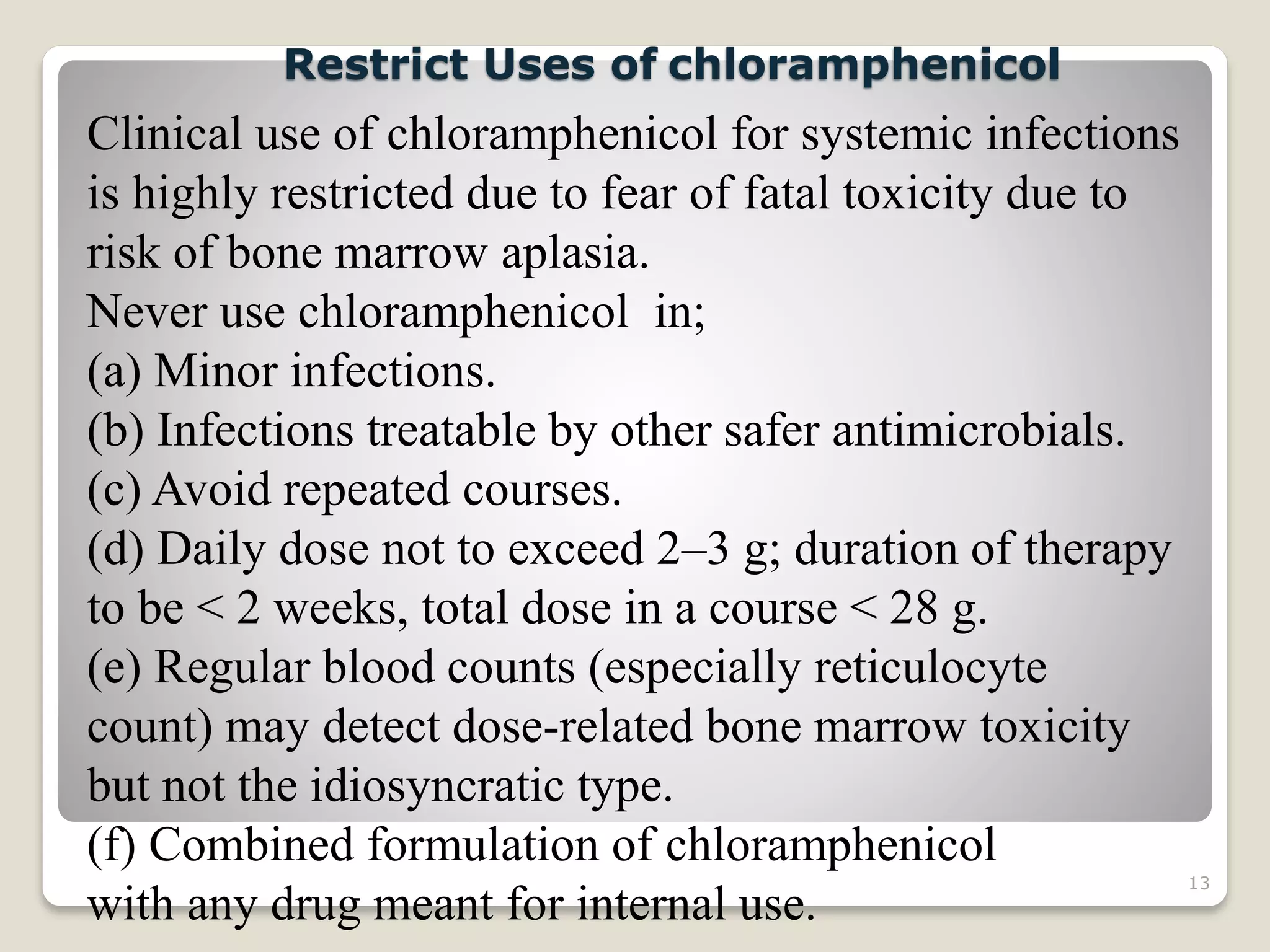
Chloramphenicol isn’t a first‑line choice for most routine infections, but it shines in specific scenarios where alternatives are limited or ineffective.
- Serious systemic infections: It’s approved for typhoid fever, caused by Salmonella typhi, and for meningitis when the causative bacteria are susceptible.
- Anaerobic coverage: In mixed infections involving anaerobes—such as deep abdominal abscesses—chloramphenicol can fill the gap left by other drugs.
- Ophthalmic applications: A topical ophthalmic suspension treats bacterial conjunctivitis and corneal ulcers, especially when resistance to newer agents is a concern.
- Laboratory use: Microbiologists still employ chloramphenicol in culture media to suppress contaminating flora, allowing the growth of fastidious organisms.
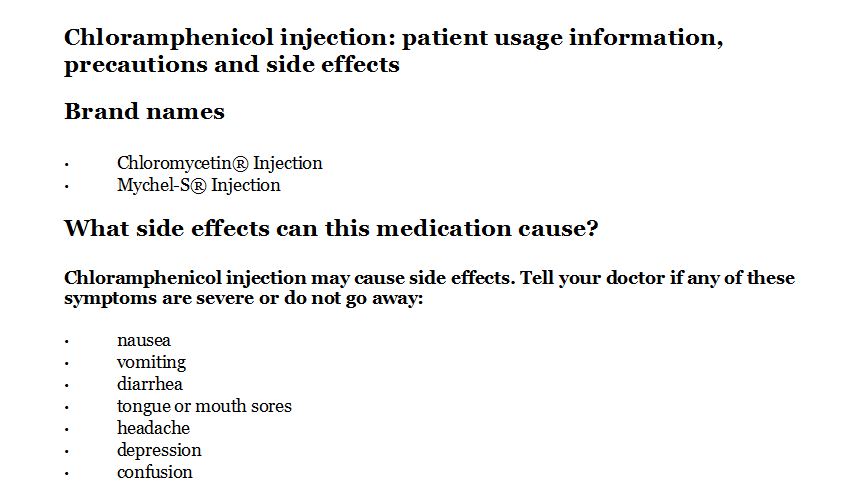
Common and Serious Side Effects
Even though chloramphenicol can be a lifesaver, its safety profile demands respect. Side effects range from mild, transient complaints to life‑threatening complications.
- Bone‑marrow suppression: The most notorious risk is dose‑related aplastic anemia, a rare but often irreversible condition that can develop weeks after therapy.
- Gray baby syndrome: In newborns, especially those born preterm, accumulation of the drug can cause cyanosis, hypotension, and a characteristic gray hue of the skin.
- Gastrointestinal upset: Nausea, vomiting, and diarrhea are fairly common, usually resolving when the medication is stopped.
- Allergic reactions: Rashes, fever, and, in extreme cases, anaphylaxis may occur, though they are less frequent than with some beta‑lactams.
Precautions Before Starting Therapy
Because the risks can outweigh the benefits in many patients, clinicians follow a checklist before prescribing chloramphenicol.
- Pregnancy and lactation: The drug is contraindicated in the third trimester and generally avoided throughout pregnancy due to the risk of fetal bone‑marrow toxicity.
- Neonates and infants: Newborns, especially those under two weeks old, should not receive systemic chloramphenicol unless absolutely necessary.
- Pre‑existing blood disorders: Patients with a history of anemia, leukopenia, or thrombocytopenia need close monitoring of complete blood counts during treatment.
- Liver disease: Impaired hepatic function can reduce drug clearance, increasing the chance of toxicity.
- Drug interactions: Concurrent use with other myelosuppressive agents—such as chemotherapy drugs or certain antiretrovirals—heightens the risk of bone‑marrow depression.
Monitoring Strategies
If a clinician decides chloramphenicol is the best option, vigilant follow‑up is non‑negotiable.
Baseline blood work should include a complete blood count (CBC) and liver function tests. Subsequent CBCs are typically repeated every 48–72 hours for the first week, then weekly if the patient remains on therapy. Any unexplained drop in hemoglobin, white cells, or platelets warrants immediate discontinuation and evaluation for aplastic anemia.
Practical Tips for Patients
Patients can play an active role in minimizing risks:
- Report any new bruising, unusual fatigue, or shortness of breath right away.
- Maintain a symptom diary, noting the onset of nausea, vomiting, or rash.
- Avoid alcohol and over‑the‑counter herbal supplements unless cleared by the prescribing physician, as these can strain liver metabolism.
- Store oral tablets in a cool, dry place; ophthalmic suspensions should be discarded after the expiration date to prevent contamination.
When to Seek Alternative Therapies
Because of its safety concerns, many clinicians reserve chloramphenicol for cases where newer antibiotics fail or aren’t available. If a patient has a known hypersensitivity to the drug, a history of bone‑marrow problems, or is pregnant, alternative agents—such as third‑generation cephalosporins for meningitis or fluoroquinolones for certain systemic infections—should be considered first.
Frequently Asked Questions
Can chloramphenicol be used for routine ear infections?
Generally no. For uncomplicated otitis media, safer options like amoxicillin are preferred. Chloramphenicol’s risk profile makes it unsuitable for mild infections.
How long does it take for aplastic anemia to appear after treatment?
The onset is unpredictable; cases have been reported weeks to months after the last dose. This delayed presentation is why long‑term blood monitoring is essential.
Is topical chloramphenicol safer than oral forms?
Topical formulations carry a much lower risk of systemic toxicity because absorption through the eye is minimal. Nevertheless, they should still be used under medical guidance.
What should I do if I miss a dose?
Take the missed dose as soon as you remember, unless it’s almost time for the next scheduled dose. In that case, skip the missed one—don’t double up, as higher peaks increase toxicity risk.