What’s Driving Japan’s Ultrasound Device Market Forward?
Japan’s ultrasound devices market is at a crossroads where aging demographics, technological ambition, and shifting reimbursement policies intersect. Over the past few years, manufacturers have introduced more portable and AI‑enhanced systems, while hospitals and clinics grapple with rising demand for point‑of‑care diagnostics. Understanding the current landscape, the forces shaping it, and the obstacles ahead can help stakeholders anticipate where the market is headed.
Current Market Landscape
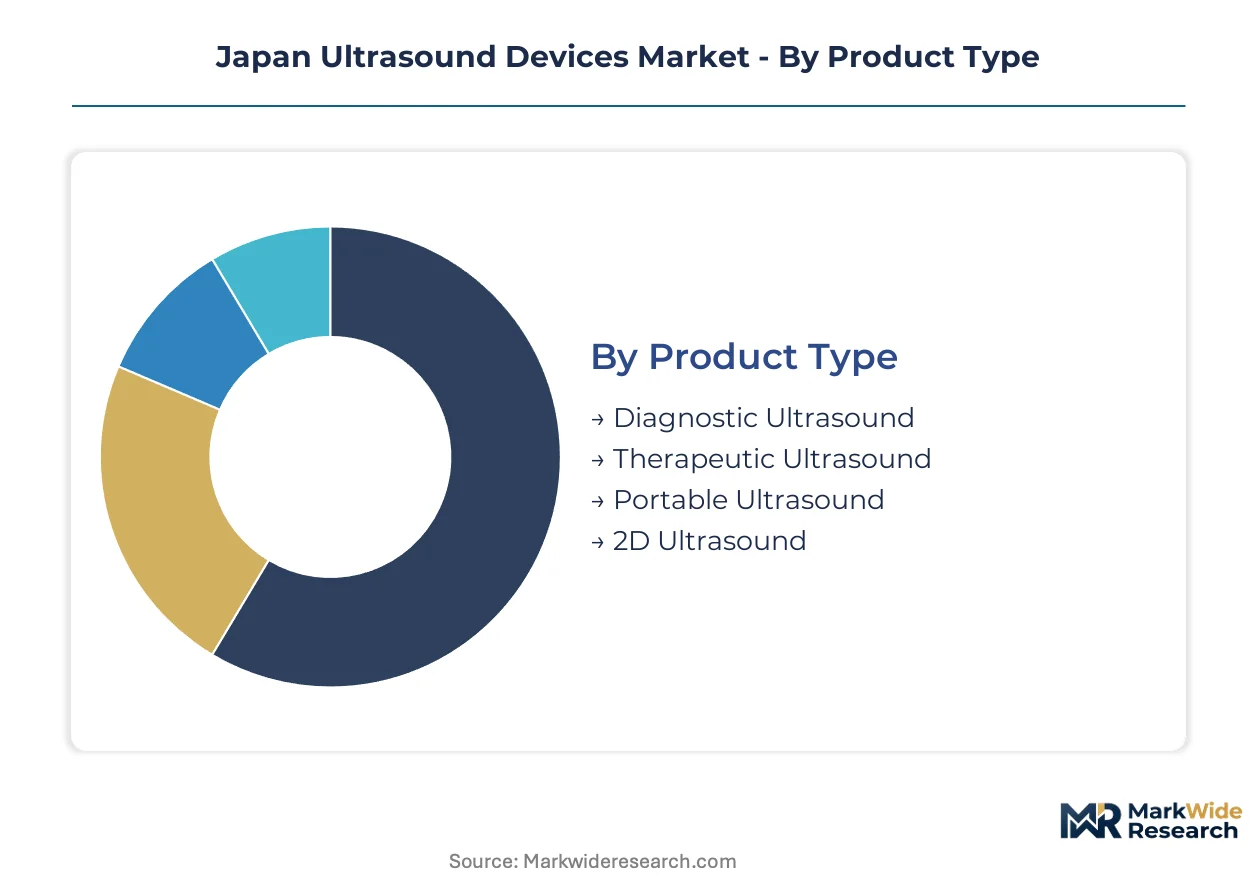
In Japan, ultrasound remains the most widely used imaging modality for everything from obstetrics to musculoskeletal assessment. The market is dominated by a mix of domestic giants—such as Canon Medical and Fujifilm—and global players like GE Healthcare and Philips. Recent years have seen a steady uptick in sales of compact, battery‑operated units, reflecting a broader trend toward decentralised care. At the same time, high‑end systems equipped with advanced elastography and 3‑D capabilities continue to find a niche in tertiary hospitals and specialised imaging centres.
Regulatory approval pathways in Japan are relatively streamlined for devices that meet the Ministry of Health, Labour and Welfare’s safety standards, which encourages rapid introduction of incremental innovations. However, the country’s strict reimbursement schedule still ties many hospitals to a limited set of reimbursable procedures, influencing purchasing decisions and prompting manufacturers to align product portfolios with those covered services.
Key Drivers Shaping Growth
Several forces are converging to boost demand for ultrasound equipment across the archipelago.
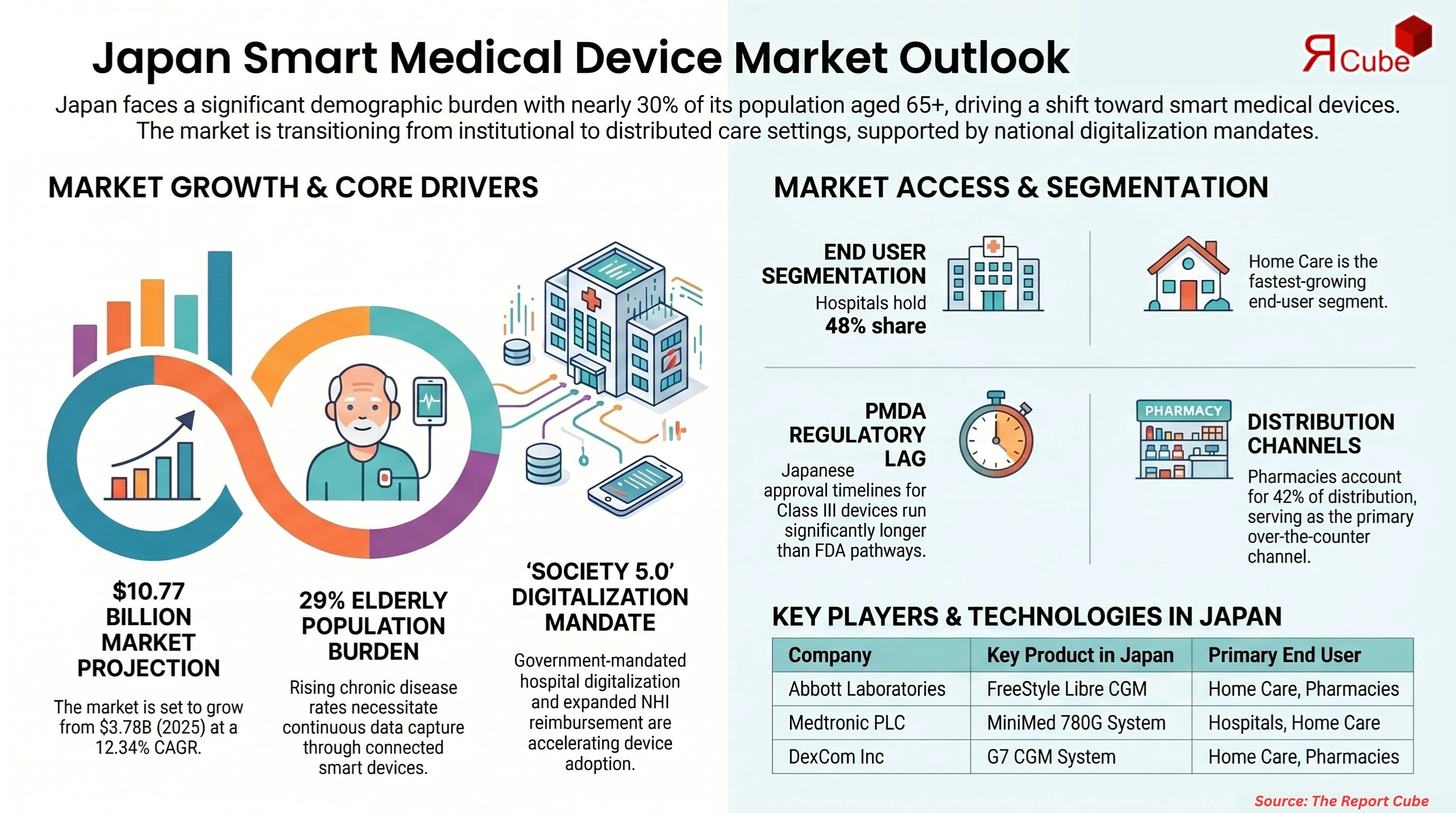
- Demographic pressure. Japan’s population is ageing rapidly, and older adults often require regular cardiac and abdominal monitoring—applications where ultrasound excels.
- Shift to outpatient and home‑based care. Policies encouraging treatment outside traditional hospitals have spurred interest in portable scanners that can be used in clinics, nursing homes, and even patient homes.
- AI and automation. Machine‑learning algorithms now assist clinicians in image acquisition and interpretation, reducing the learning curve and expanding the pool of users who can perform reliable scans.
- Government incentives. Recent subsidies for digital health infrastructure include earmarked funds for modern imaging equipment, nudging providers toward newer models.
Collectively, these drivers create a fertile environment for both volume growth and premium‑segment expansion.
Challenges and Headwinds
Despite the upbeat outlook, several obstacles could temper market momentum.
- Reimbursement rigidity. While subsidies exist, the core reimbursement framework remains procedure‑centric, limiting the adoption of newer imaging techniques that lack explicit coverage.
- Supply chain constraints. Global semiconductor shortages have occasionally delayed the rollout of high‑resolution probes, especially those with advanced signal‑processing chips.
- Workforce limitations. The shortage of trained sonographers in rural areas means that even affordable, portable devices may sit idle without sufficient skilled operators.
Addressing these issues will require coordinated policy tweaks, targeted training programmes, and perhaps a re‑thinking of how reimbursement models reward diagnostic accuracy versus sheer volume.
Emerging Technologies and Innovation
Innovation in the ultrasound space is moving beyond simply making devices smaller.
One notable trend is the integration of cloud‑based analytics, allowing images captured on a handheld probe to be uploaded instantly for remote review by specialists. Another is the rise of “ultrasound‑as‑a‑service” platforms, where hospitals lease equipment bundled with maintenance, software updates, and AI‑driven decision support. These models reduce upfront capital outlay and align costs with actual usage, a compelling proposition for budget‑constrained clinics.
On the hardware front, developments in micro‑electromechanical systems (MEMS) are delivering higher‑frequency probes that can resolve finer tissue structures without sacrificing portability. Meanwhile, hybrid devices that combine traditional ultrasound with photoacoustic imaging are beginning to appear in research labs, promising functional insights that could eventually make their way into routine clinical practice.
Future Outlook: 2025‑2030
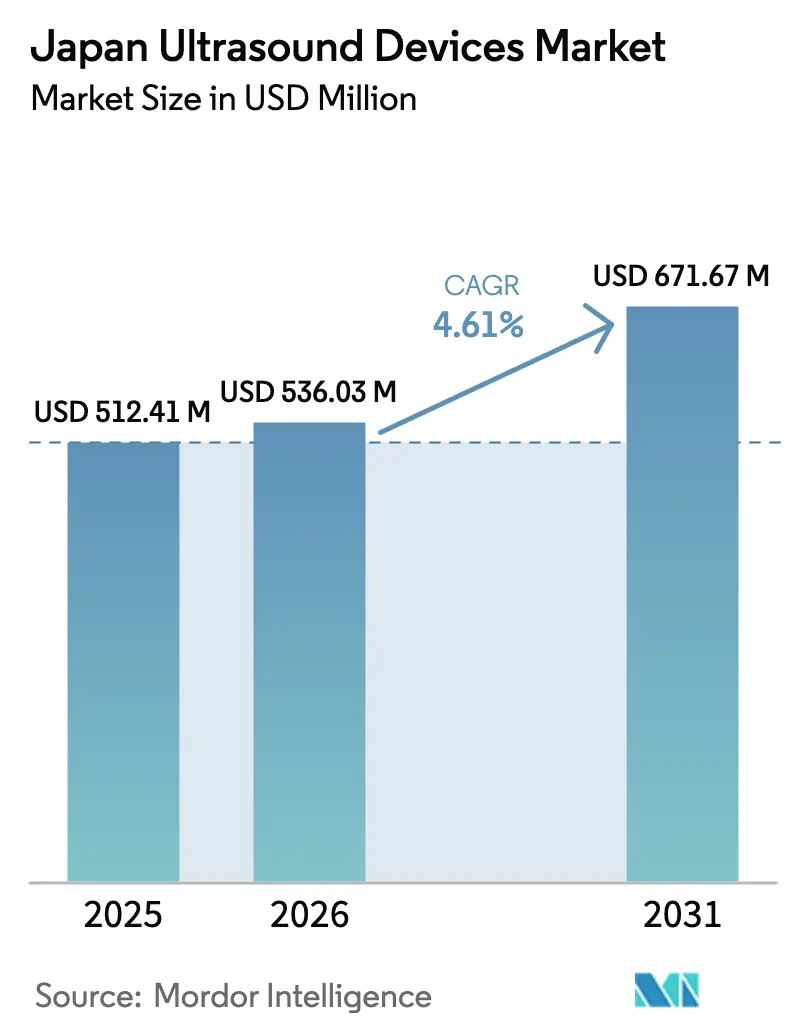
Looking ahead, the consensus among industry analysts is that Japan’s ultrasound devices market will continue to expand at a modest but steady pace. By 2030, the share of portable and AI‑enhanced units is expected to represent a sizable fraction of total sales, driven by both outpatient demand and the desire for faster, more accurate diagnostics.
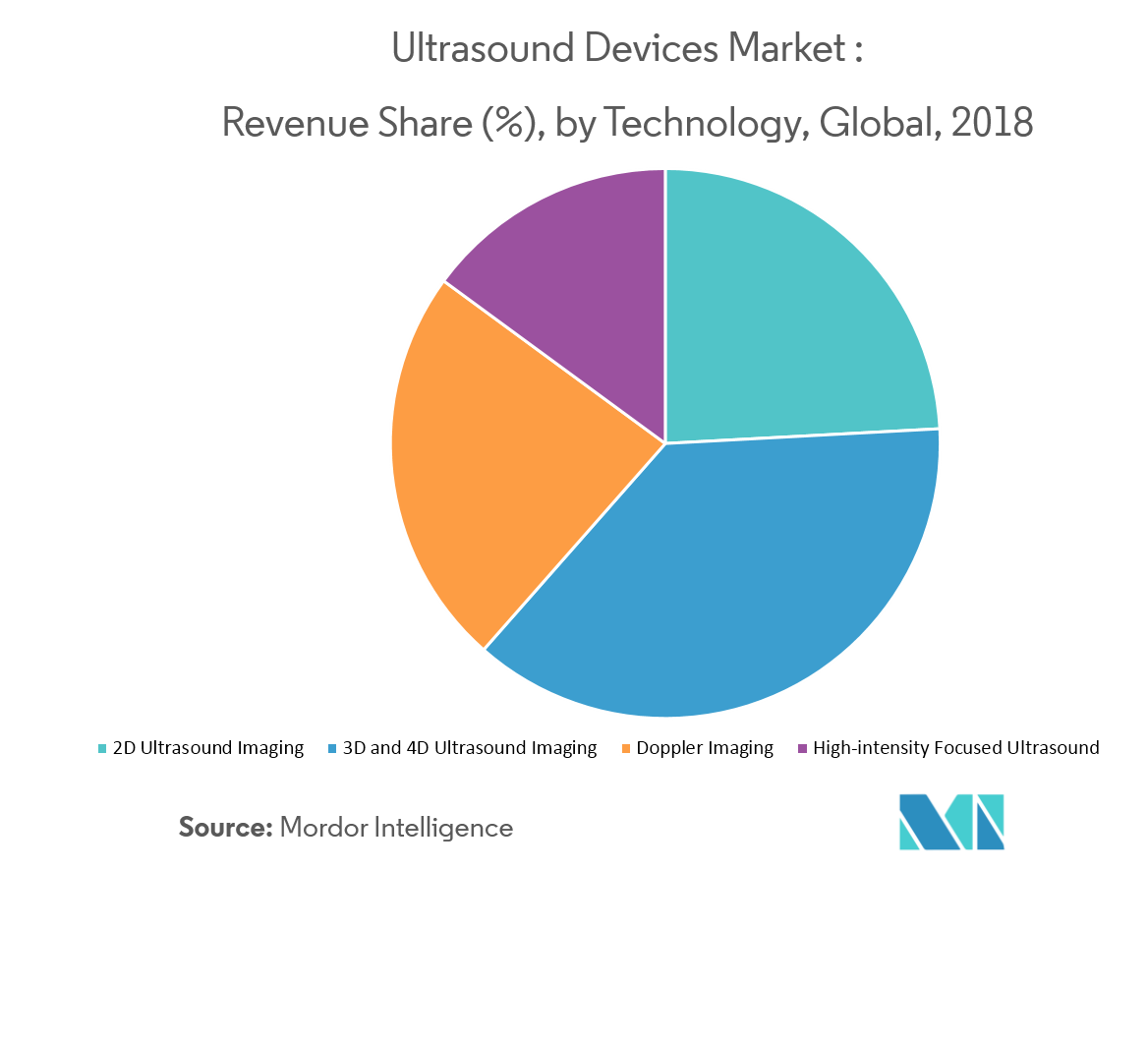
In the premium segment, advanced elastography and 4‑D imaging will likely become standard in major teaching hospitals, especially as they support emerging therapeutic procedures such as ultrasound‑guided ablation. Meanwhile, the government’s ongoing digital‑health initiatives may gradually reshape reimbursement structures to reward outcomes rather than procedure counts, opening the door for broader adoption of innovative modalities.
Ultimately, success will hinge on how well manufacturers can balance affordability with cutting‑edge features, and how quickly the healthcare system can train a new generation of clinicians comfortable with these evolving tools.
FAQ
What factors are most influencing ultrasound device purchases in Japan?
The primary influences are demographic aging, government subsidies for digital health, and the growing need for point‑of‑care imaging in outpatient settings.
Are AI‑assisted ultrasound systems widely used in Japanese clinics?
AI features are increasingly common in newer models, especially in larger hospitals, but widespread adoption in smaller clinics is still emerging as clinicians become familiar with the technology.
How might reimbursement reforms affect the market?
If reimbursement shifts toward outcome‑based models, providers may be more inclined to invest in advanced devices that improve diagnostic accuracy and reduce repeat examinations.
Will portable ultrasound replace traditional high‑end systems?
Portable units are complementing, not replacing, high‑end scanners. They excel in quick bedside assessments, while comprehensive imaging still relies on sophisticated platforms for detailed diagnostics.