Proven Practices for Food Industry Waste Management
Managing waste in the food sector isn’t just a regulatory box to tick—it’s a strategic lever that can shave costs, boost brand reputation, and protect the planet. From a bustling processing plant to a boutique bakery, every step in the supply chain generates material that, if handled poorly, ends up in landfill or pollutes waterways. Below we unpack the most effective waste‑management best practices that forward‑thinking food companies are already using.
Why Waste Management Matters in Food Production
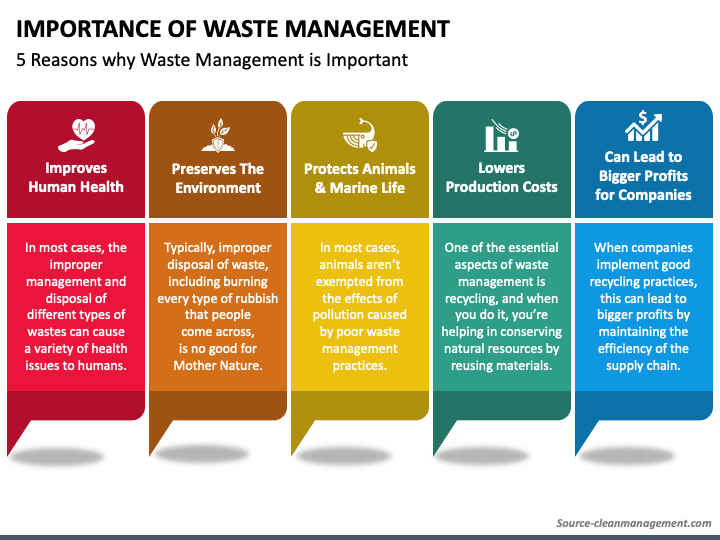
Food waste accounts for roughly one‑third of all global waste, according to the UN Food and Agriculture Organization. In the industry, that translates to billions of dollars lost each year through discarded raw ingredients, spoiled products, and excess packaging. Beyond the financial hit, improper disposal can trigger costly fines, damage relationships with retailers, and erode consumer trust.
Adopting robust waste‑reduction strategies therefore serves three core goals: cut expenses, comply with ever‑tightening regulations, and demonstrate environmental stewardship—an increasingly decisive factor for shoppers.
Key Principles of Effective Waste Management
Before diving into specific tactics, it helps to anchor your program on four foundational principles.
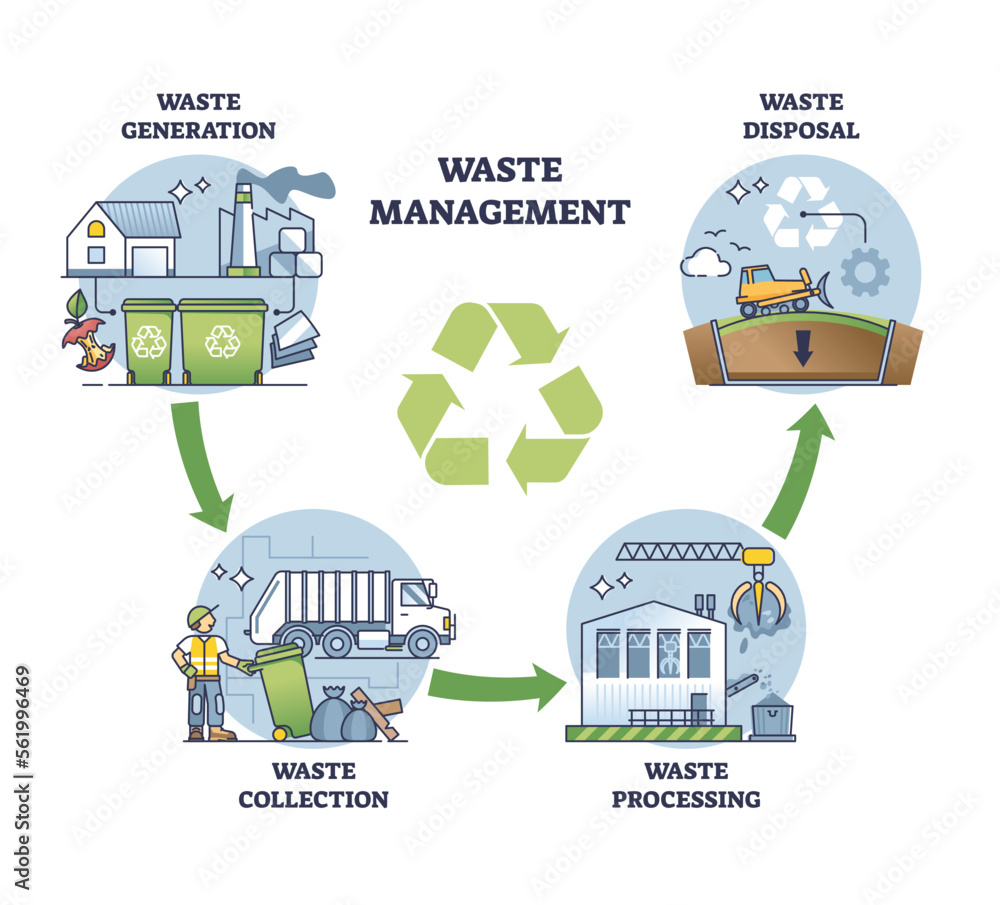
- Hierarchy of Waste—Prioritize prevention, then reuse, followed by recycling, and finally disposal as a last resort.
- Source Reduction—Identify the points where waste originates and redesign processes to eliminate it upstream.
- Closed‑Loop Systems—Turn by‑products into inputs for other operations, creating circular flows within the facility.
- Data‑Driven Decision Making—Track volumes, costs, and sources of waste to target the most impactful improvements.
When these pillars guide your initiatives, you’ll find that even modest changes can cascade into sizable savings.
Practical Best Practices to Implement
1. Conduct a Detailed Waste Audit
Start with a baseline measurement. Walk through each production line, storage area, and kitchen, logging the type and weight of waste generated over a typical week. Categorize it into raw material loss, packaging, spoilage, and off‑spec product. This audit not only reveals hidden waste hotspots but also creates a reference point for future benchmarking.
2. Optimize Inventory Management
Too much stock is a leading cause of spoilage. Implement first‑expire‑first‑out (FEFO) rotation, real‑time inventory dashboards, and predictive ordering based on historical demand patterns. By aligning purchases more closely with actual consumption, you reduce the chance of ingredients sitting past their prime.
3. Redesign Product Formulations
Where feasible, adjust recipes to tolerate slight variations in ingredient quality, thereby decreasing the amount of “off‑spec” product that must be discarded. Some manufacturers also incorporate “ugly” produce—fruits and vegetables that don’t meet aesthetic standards—into sauces, purees, or animal feed, turning a waste stream into a value‑added ingredient.
4. Embrace By‑Product Valorization
Many food processes generate usable by‑products: whey from cheese making, pulp from juice extraction, or spent grain from brewing. Partner with local farms, biofuel producers, or ingredient suppliers to channel these materials into animal feed, compost, or even new food products. Such collaborations not only cut disposal costs but can open additional revenue streams.
5. Upgrade Packaging Solutions
Switch to recyclable or biodegradable packaging wherever possible, and design containers for easy separation of material streams. Consider bulk dispensing systems that reduce the need for individual wrappers, especially in B2B settings where large volumes are handled.
6. Implement Energy‑Efficient Equipment
Modern refrigeration, vacuum packing, and steam‑cleaning units consume less power and maintain more stable temperatures, which directly curtails spoilage. Although the upfront investment can be higher, the payback period is often short thanks to lower utility bills and reduced waste.
7. Train Staff Continuously
People are the linchpin of any waste‑management program. Regular workshops that illustrate the cost impact of waste, teach proper segregation techniques, and celebrate successful reduction milestones keep the momentum alive. Incentive schemes—like bonuses for teams that meet waste‑reduction targets—can further embed the right habits.
8. Leverage Technology for Real‑Time Monitoring
Smart sensors can detect temperature fluctuations, moisture levels, or equipment malfunctions that lead to waste. Integrated waste‑tracking software aggregates this data, alerts managers to anomalies, and suggests corrective actions. Over time, the system learns which variables most strongly correlate with waste spikes, enabling proactive adjustments.
Measuring Success and Continuous Improvement
Once the initiatives are in place, the next step is rigorous evaluation. Track metrics such as waste‑to‑production ratio, cost per ton of waste diverted, and carbon footprint reductions. Benchmark against industry standards or peer groups to gauge progress.
Remember that waste management is not a set‑and‑forget exercise. Conduct quarterly reviews, refresh your waste audit, and stay abreast of emerging regulations—like the EU’s upcoming “Food Waste Prevention and Management” directives—to ensure your practices remain compliant and competitive.
Frequently Asked Questions
What is the most cost‑effective way to reduce food waste in a manufacturing plant?
Generally, the biggest savings come from tightening inventory controls and reusing by‑products. By aligning orders with actual demand and finding markets for secondary streams, companies often slash waste costs by 15‑30%.
Can small‑scale producers benefit from the same waste‑management practices as large corporations?
Absolutely. While the scale differs, principles like source reduction, proper segregation, and composting excess organic material apply equally well to a neighborhood bakery or a regional processor.
How do regulations influence waste‑management strategies?
Governments increasingly mandate reporting of food waste volumes and set targets for diversion. Compliance often forces companies to adopt tracking systems and to document how waste is handled, which in turn drives more systematic reduction efforts.
Is it worthwhile to invest in renewable energy for waste‑related processes?
When waste‑derived biogas or heat recovery is feasible, renewable solutions can offset energy costs and lower the overall carbon intensity of operations, making them attractive both environmentally and financially.