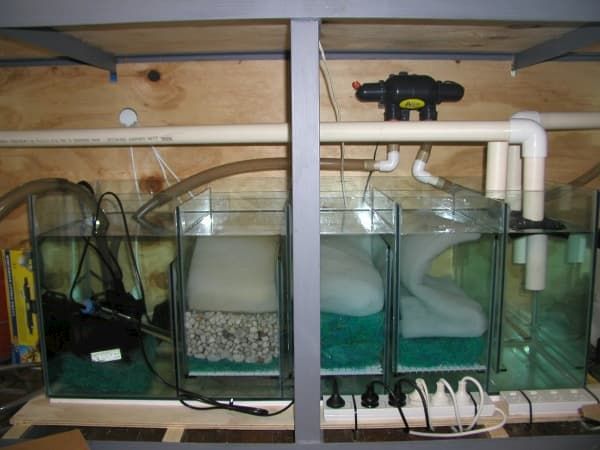
How to Choose the Best Filter for a 20‑Gallon Reef Tank
Keeping a thriving reef in a 20‑gallon saltwater tank hinges on more than just lighting and water chemistry—the filter does the heavy lifting behind the scenes. A well‑matched filtration system removes waste, stabilises parameters, and creates the subtle water movement corals love. Below is a practical guide that walks you through the types of filtration, what to look for in a compact system, and how to keep everything running smoothly.
Why Filtration Is the Backbone of a Small Reef
In a tiny marine aquarium, every gram of uneaten food, piece of coral mucus, or stray fish waste can quickly tip the balance. Effective filtration does three things simultaneously: it traps particles (mechanical), hosts beneficial bacteria that break down ammonia and nitrite (biological), and removes dissolved organics that can fuel algae (chemical). Skipping any of these steps often leads to cloudy water, frequent spikes in nitrate, and a stressed coral community.
Breaking Down the Three Filtration Stages
Mechanical filters use fine media—sponges, filter floss, or micron‑grade pads—to catch debris before it reaches the pump. For a 20‑gallon tank, a filter with a turnover rate of at least four times the volume per hour (around 80 gph) is a good baseline.
Biological filtration relies on porous surfaces where colonies of nitrifying bacteria can thrive. Ceramic rings, bio‑balls, or live rock placed in the flow path provide ample surface area without hogging precious space.
Chemical filtration, such as activated carbon or phosphate‑binding media, is optional but useful during the cycling phase or when algae outbreaks occur. Because these media need regular replacement, they’re best placed in a removable cartridge for easy swaps.
Choosing the Right Filter for a 20‑Gallon Reef
Space is at a premium, so size, noise level, and flow pattern matter as much as flow rate. Here are the key criteria to rank your options:
- Turnover rate: Aim for 4–6 × tank volume per hour. Too low and waste accumulates; too high can stress delicate corals.
- Adjustable flow: Reef tanks benefit from gentle, laminar currents. Look for filters with multiple outlets or a built‑in flow‑control valve.
- Quiet operation: A humming pump can become background noise. Inline brushless motors and anti‑vibration mounts are worth the extra cost.
- Modular media chambers: Being able to swap mechanical, biological, and chemical media without disassembling the whole unit saves time.
Popular Filter Types for Small Reef Setups
Hang‑On‑Back (HOB) Units
HOB filters are a common starter choice because they attach to the tank rim and leave the interior free for corals. A quality HOB with a multi‑stage media basket can meet the 80‑gph target while keeping the footprint low. Just be mindful of the intake size—large corals may get sucked in if the opening is too big.
Compact Canister Filters
Canisters sit beneath the tank and can hold more media than an HOB. For a 20‑gallon reef, a 2‑liter canister with a 120‑gph pump provides generous flow and quiet operation. The downside is a slightly larger external footprint and the need for occasional priming.
Mini Sump Systems
If you’re comfortable with a bit of plumbing, a 3‑gallon sump offers the most flexibility. Water returns through a protein skimmer, while the main chamber houses media trays and a powerhead that can be tuned for optimal coral flow. The initial setup is more involved, but the long‑term stability often justifies the effort.
Maintenance Routines That Keep Water Crystal‑Clear
Even the best filter will falter without regular care. Adopt a simple schedule:
- Weekly: Rinse mechanical media in tank water to preserve beneficial bacteria.
- Bi‑monthly: Inspect biological media for clogging; replace if it’s broken down to dust.
- Every 2–3 months: Swap out chemical media (carbon, GFO) and clean the pump impeller.
- Quarterly: Perform a full system flush—run fresh seawater through the filter to clear any trapped organics.
Remember, never use tap water for rinsing; the chlorine can eradicate the very bacteria you rely on.
Avoiding Common Pitfalls in Small Reef Filtration
Many hobbyists make the mistake of over‑filtering, thinking more flow equals better health. In a 20‑gallon tank, a pump that pushes water at 200 gph can create turbulent zones that damage delicate polyps. Start low, observe coral response, and increase flow gradually.
Another frequent error is neglecting to match filter output with water movement needs. Corals like SPS (small polyp stony) prefer a steady, moderate current, while LPS (large polyp) may thrive under gentler flow. Use adjustable flow splits or add a separate powerhead if a single filter can’t meet both demands.
FAQ
What turnover rate is safe for a 20‑gallon reef?
Four to six times the tank volume per hour (80–120 gph) provides a balance between waste removal and coral‑friendly flow.
Can I use a single HOB filter for both mechanical and biological filtration?
Yes, as long as the unit has separate chambers for each media type. A dual‑chamber HOB lets you place sponges in one and bio‑media in the other, keeping functions distinct.
Do I need a separate protein skimmer for a 20‑gallon system?
A small, in‑line skimmer can be beneficial during the cycling phase, but many hobbyists rely on the filter’s mechanical and biological stages alone once the tank stabilises.
How often should I replace filter media?
Mechanical sponges typically last 4–6 weeks, bio‑media can stay for months unless it breaks down, and chemical media should be swapped every 2–3 months or when performance drops.