How to Use Git Amend to Quickly Edit Your Last Commit
Ever pushed a tiny typo or forgot a crucial file and wondered if you could just tweak the previous commit? The git amend command is your go-to tool for that exact scenario. It lets you modify the most recent commit without creating a new one, keeping the history clean and linear. In this article, we’ll dive into why git amend matters, how to use it safely, and some handy tricks to avoid common pitfalls.
Why Git Amend Is a Game‑Changer
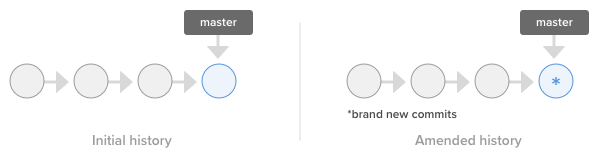
In collaborative projects, history matters. Unnecessary commit noise can clutter logs and make bisecting bugs harder. When you amend, you overwrite the last commit object, so the commit ID changes, but the timeline stays intact. That means reviewers see a single coherent change instead of an initial mistake plus a fix.
Step‑by‑Step: Amending Your Last Commit
1. Make your changes. Edit files, stage them with git add, or unstage with git reset HEAD <file> if you need to remove something.
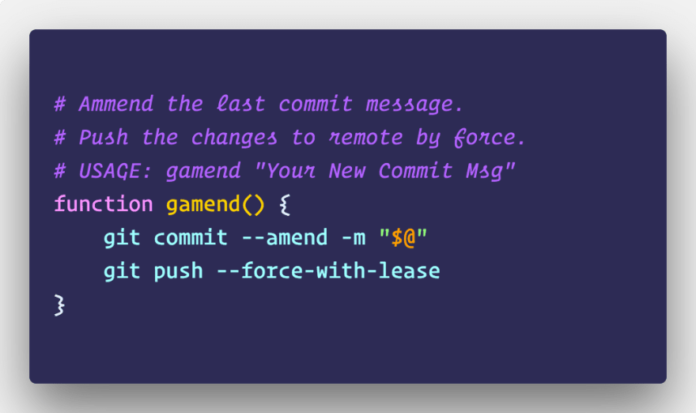
2. Amend the commit. Run git commit --amend. By default, your editor opens the previous commit message. Update it if needed, then save and exit.
3. Force‑push if necessary. If you already pushed the original commit, you’ll need to rewrite remote history: git push --force-with-lease. The lease protects against overwriting someone else’s work.
When Amending Is Safe (and When It Isn’t)
Safe:
- Local branches that nobody else is using.
- Branches that haven’t been shared with teammates yet.
- Minor fixes like correcting a typo or adding a missing line.
Risky:
- Commits that have already been pulled by others.
- Large feature commits where rewriting history could disrupt collaborators.
A good rule of thumb: amend only on private or very early development branches.
Advanced Options and Common Mistakes
Changing the Commit Author – If you need to correct the author name or email, use git commit --amend --author="Name <email@example.com>". The editor still pops up for the message.
Skipping the Editor – For a quick amend without editing the message, add -m "New message" or -C HEAD to reuse the old message.
Amending Without Changing the Message – git commit --amend --no-edit keeps the original text.
Common Pitfall: Forgetting to Stage Changes – Amending only updates the index that’s already staged. If you forget to run git add, the commit will remain unchanged.
Common Pitfall: Overwriting a Remote Branch – If you force‑push without the --force-with-lease flag, you risk accidentally clobbering someone else’s updates. The lease checks that the remote hasn’t moved since your last fetch.
Using git rebase -i for Multiple Commits
When you need to edit more than just the last commit, git rebase -i offers granular control. Mark the commit with edit, make changes, git commit --amend, then git rebase --continue. This approach lets you tweak history across several commits safely.
Best Practices for a Clean Commit History
- Keep Commits Small. Aim for focused, atomic changes.
- Write Descriptive Messages. Even if you’ll amend later, start with a solid draft.
- Review Before Pushing. Use
git statusandgit log -1to double‑check. - Use Branch Protection Rules. In services like GitHub, enforce pull request reviews before merging.
FAQ
Q1: Can I amend a commit that was already pushed to a shared repository?
A1: Technically yes, but you’ll need to force‑push, which rewrites history. This is acceptable only if you’re the only one working on that branch or if you coordinate with the team.
Q2: What happens to the commit hash after amending?
A2: The hash changes because the commit content (message, tree, author data) is altered. All subsequent commits will point to a new parent hash if they depend on the amended commit.
Q3: Can I amend multiple commits at once?
A3: Use an interactive rebase (git rebase -i HEAD~n) to edit several commits. Mark each with edit and amend them individually.
Q4: Is there a way to keep the original commit ID while changing the message?
A4: No. Changing the message changes the commit hash. To preserve the hash, you’d need to edit the commit message in the editor without using --amend, but that’s not possible; the only way to alter content is to replace the commit.
Q5: What if I forget to add new files before amending?
A5: Run git add <files> first, then git commit --amend. The amended commit will include those files.
Mastering git amend lets you keep your commit history tidy and accurate. By following these guidelines, you’ll avoid common errors, maintain collaboration hygiene, and deliver clean, intentional commits every time.