How a 30‑Minute Mindfulness Body Scan Can Calm Your Day in Just 30 Minutes
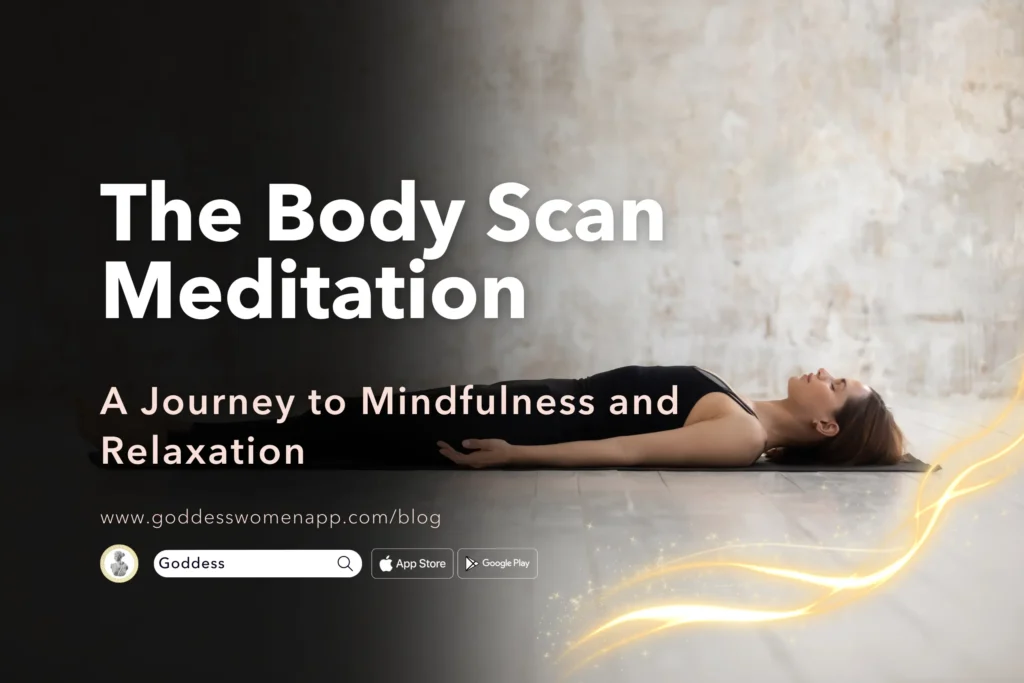
If you’ve ever felt tension coil up in your shoulders after a long meeting, a 30‑minute mindfulness body scan might be the gentle reset you need. Unlike a quick breathing exercise, this practice invites you to travel slowly through every part of your body, noticing sensations without judgment. The result? A softer nervous system, clearer focus, and a lingering sense of ease that can last well beyond the half‑hour you spend seated.
What Is a Mindful Body Scan?
A body scan is a guided meditation that systematically directs attention from the crown of the head down to the soles of the feet. The aim isn’t to “fix” anything, but simply to become aware of what’s already there—tingling, warmth, tightness, or even the absence of feeling. By naming each sensation, you create a tiny pause between stimulus and reaction, which is the essence of mindfulness.
Traditionally rooted in Vipassana and the work of Jon Kabat‑Zinn, the scan can be done lying down, sitting, or even reclining in a chair. The only real requirement is a few minutes of uninterrupted time and a willingness to stay present, even when the mind decides to wander.
Benefits of a 30‑Minute Session
Spending a full half‑hour on the practice deepens the experience in several ways.
- Reduced stress hormones: Research shows that consistent body‑scan meditation lowers cortisol levels, especially when the session exceeds 20 minutes.
- Improved sleep quality: By calming the sympathetic nervous system, many people report falling asleep faster after a nightly scan.
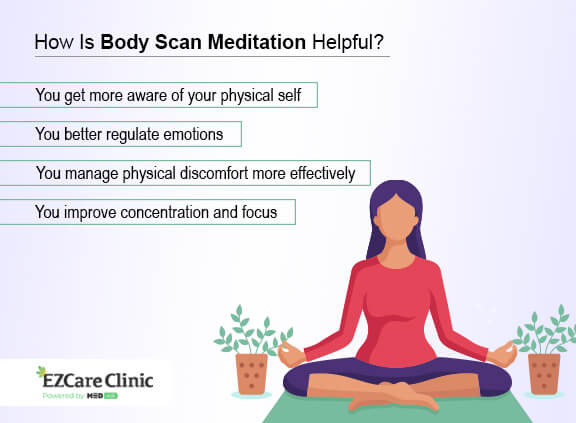
- Heightened body awareness: You become better at spotting subtle signs of fatigue or strain before they turn into injury.
- Emotional regulation: Observing sensations without reacting helps you develop a calmer response to anxiety‑provoking thoughts.
These benefits aren’t magical; they accrue over weeks of practice. Still, a single 30‑minute session can leave you feeling noticeably lighter, especially if you’re already familiar with shorter mindfulness drills.
How to Do the Scan – Step by Step
Below is a straightforward roadmap you can follow the next time you set aside half an hour.
- Set the stage. Choose a quiet space, dim the lights, and turn off notifications. A soft cushion or yoga mat works well.
- Get comfortable. Lie on your back with arms relaxed by your sides, palms up. If lying isn’t possible, sit with a straight spine and feet flat on the floor.
- Begin with the breath. Take three slow, deep inhales, feeling the belly rise, then exhale fully. This anchors your attention.
- Scan from head to toe. Start at the crown. Notice any pressure, temperature, or tingling. Gently label the feeling—“warmth,” “tightness,” “nothing”—and move down to the forehead, eyes, cheeks, jaw, and so on.
- Stay curious. If a thought pops up, acknowledge it (“thinking about dinner”) and return to the body part you were scanning.
- Spend extra time where needed. When you encounter an area of discomfort, linger a few extra breaths, breathing into that spot without trying to change it.
- Finish with a full‑body sigh. Once you reach the toes, take a deep breath, imagine the breath traveling upward, and exhale while visualizing tension draining away.
- Transition slowly. Open your eyes gently, wiggle your fingers and toes, and give yourself a minute before standing.
Feel free to adjust the pace; some people move every 30 seconds, others linger for a minute. The key is consistency, not speed.
Common Pitfalls and How to Overcome Them
Even seasoned meditators stumble into the same traps.
- Racing thoughts. When the mind darts, simply note “thinking” and bring the focus back. It’s normal; the practice is training the muscle of attention.
- Trying too hard to “feel something.” The scan isn’t a test. If a region feels blank, accept that and move on—resistance only creates tension.
- Physical discomfort. A sore back or numb leg can be distracting. Slightly shift your position, add a pillow, or shorten the scan until your body becomes more accustomed.
- Skipping the breath. Starting with a few mindful breaths grounds the nervous system and reduces the urge to rush.
Integrating the Practice Into Daily Life
One half‑hour session a day can feel like a big commitment, but you can weave it into existing routines. For example, schedule the scan right after your morning coffee, or use it as a wind‑down ritual before bedtime. If 30 minutes feels daunting on a busy day, try a “mini‑scan” of 10 minutes focusing on the shoulders, neck, and lower back—then gradually extend the duration.
Another handy tip is to pair the scan with gentle music or nature sounds. Soft instrumental tracks can mask background noise, but make sure they don’t become the main focus; the body, not the soundtrack, should stay central.
FAQ
Can I do a body scan if I’ve never meditated before? Absolutely. Start with shorter sessions—5 to 10 minutes—and build up. The technique is simple: just notice, label, and release.
Do I need any special equipment? No. A quiet space, a comfortable surface, and perhaps a timer are enough. Some people like a blanket for warmth, but it’s optional.
How often should I practice to notice benefits? Consistency beats intensity. Most people report noticeable changes after two weeks of daily 30‑minute scans, though even a few weekly sessions can improve awareness.