How to Use DAP 1755: Your Guide to a Versatile Sealant
When a leak shows up around a window, a bathtub crack, or a gap in a drywall joint, the first thing most DIYers reach for is a sealant that can handle the job without a fuss. DAP 1755, often marketed as a “versatile sealant,” fits that description nicely. It blends the flexibility of silicone with the paintability of latex, making it a handy choice for a wide range of indoor and outdoor projects. Below you’ll find everything you need to know to decide whether DAP 1755 is right for your next repair, how to apply it correctly, and a few tricks to get the most out of the tube.
What Is DAP 1755 Sealant?
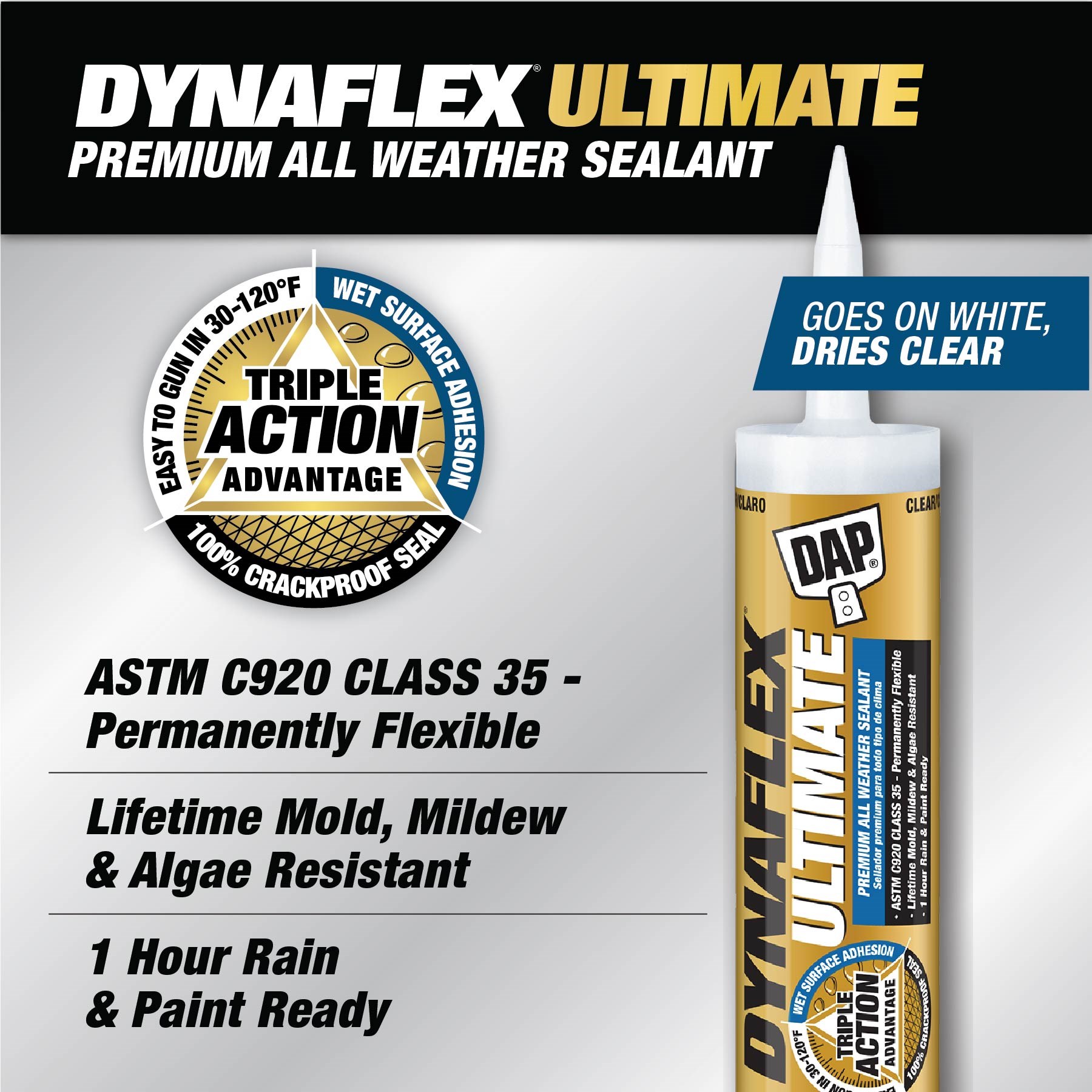
DAP 1755 is a hybrid polymer sealant that combines acrylic and silicone technologies. The result is a material that stays flexible after curing, resists moisture, and can be painted over once it’s dry. It comes in a caulking gun‑compatible cartridge, typically in a white or clear finish, and is designed for both residential and light commercial use.
Unlike pure silicone, which can be difficult to paint, DAP 1755 accepts latex‑based paints after a short cure period. On the other hand, it offers better durability than standard acrylic caulks, especially when exposed to temperature swings or occasional water contact.
Key Benefits of Choosing DAP 1755
- Paintable surface – perfect for trim, molding, and interior gaps where aesthetics matter.
- Water resistance – can be used in wet areas like bathrooms and kitchens without immediate swelling.
- Flexibility – maintains a rubber‑like bendability, reducing the chance of cracks as materials expand and contract.
- Easy cleanup – water‑soluble before cure, so tools and excess can be wiped away with a damp rag.
Typical Applications
Because of its balanced properties, DAP 1755 works well in several scenarios:
Interior Trim and Molding
Run a smooth bead along baseboards, crown molding, or window casings, then paint over it to blend seamlessly with surrounding woodwork.
Bathroom Sealant
Use it around bathtub edges, shower niches, and sink backsplashes. The sealant’s water resistance helps keep moisture from seeping behind tiles.
Exterior Caulking
While not a substitute for high‑performance exterior silicone, DAP 1755 can seal siding joints, roof flashing, and window perimeters where paintability is a priority.
How to Apply DAP 1755 Correctly
Proper preparation is half the battle. Follow these steps for a clean, lasting seal.
- Clean the joint: Remove old caulk, dust, and loose debris. A utility knife or a caulk remover works well for stubborn residues.
- Dry the surface: Even though the sealant tolerates some moisture, a dry substrate ensures better adhesion.
- Cut the nozzle: Trim the tip at a 45‑degree angle to match the width of the gap. A smaller opening gives you more control on narrow joints.
- Load the gun: Push the cartridge into the gun’s barrel, then prime the plunger until sealant appears at the tip.
- Apply a steady bead: Move the gun smoothly along the joint, keeping pressure constant. Over‑filling can be smoothed later; under‑filling leaves gaps.
- Tool the bead: Use a caulk‑smoothing tool or a wet finger to press the sealant into the gap and create a concave shape. This improves contact and reduces surface tension.
- Allow curing: For paintable applications, wait 24 hours before applying paint. Full cure may take up to 48 hours in humid conditions.
Tips for a Professional Finish
- Work in moderate temperature (50–85°F) for optimal curing speed.
- Mask off adjacent surfaces with painter’s tape to avoid smudges.
- Store leftover sealant in a cool, dry place; a sealed bag over the nozzle helps prevent drying.
- If a bead looks uneven, lightly dampen a cloth and run it over the sealant before it skins over.
Safety and Environmental Considerations
Although DAP 1755 is low‑odor and water‑based before cure, it’s still wise to wear gloves and ensure adequate ventilation, especially in tight spaces. The cured product is inert, so it won’t off‑gas harmful chemicals after the initial curing period.
When disposing of empty cartridges, check local regulations—most plastic tubes can be recycled if cleaned of residual sealant.
Where to Purchase DAP 1755
Major home‑improvement chains, online marketplaces, and local hardware stores typically stock DAP 1755 in 10‑ or 12‑ounce tubes. Prices range from $5 to $8 per tube, making it an economical choice for both small touch‑ups and larger projects.
Frequently Asked Questions
Can DAP 1755 be used on exterior metal surfaces?
Yes, it adheres well to clean, primed metal and offers sufficient flexibility for seasonal expansion. However, for areas with constant exposure to UV radiation or heavy rain, a dedicated exterior silicone may provide longer‑term durability.
How long does it take to fully cure?
Surface cure occurs within 24 hours, allowing paint application. Full polymerization—when the sealant reaches its maximum strength—typically completes in 48 hours, though humidity and temperature can extend this window.
Is DAP 1755 suitable for bathtub re‑caulking?
It’s a solid option for bathtub edges and shower niches, especially when you plan to paint the surrounding tile grout. For perpetual water immersion, a pure silicone product may resist degradation a bit longer.