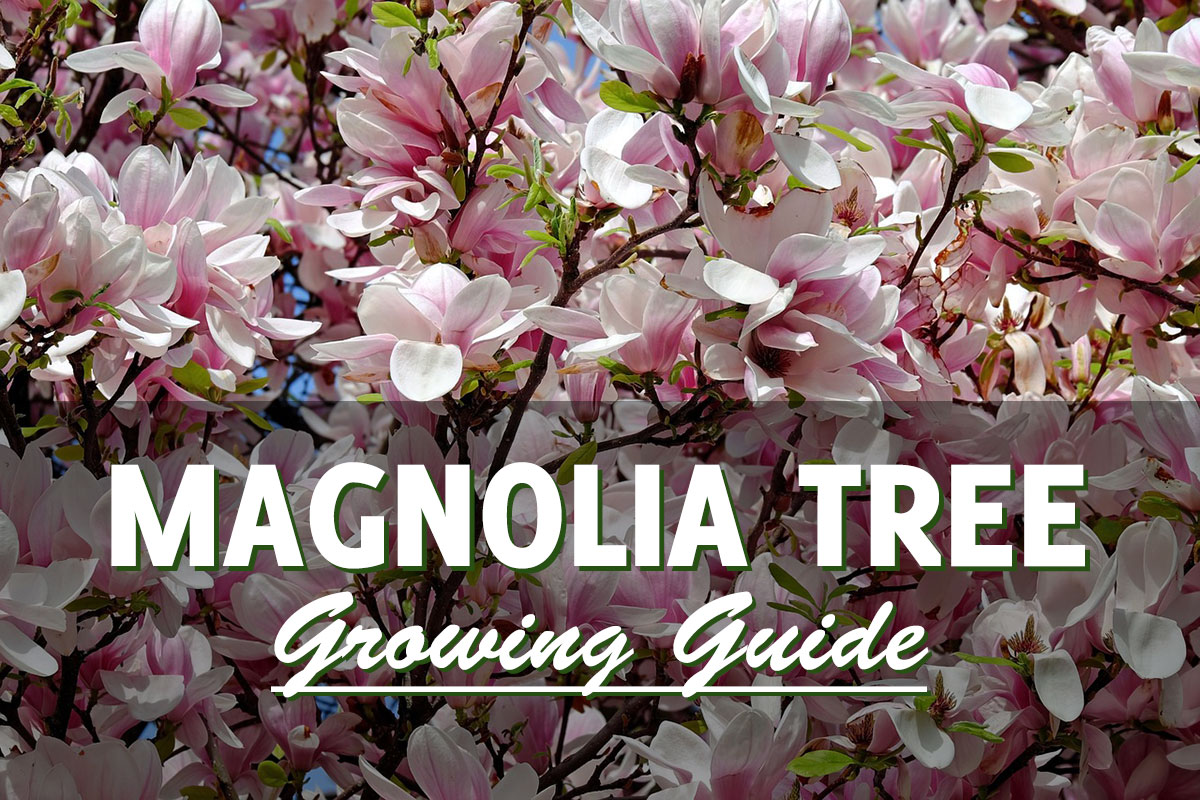
How to Plant, Care for, and Choose Magnolia Varieties
Magnolia trees have a way of turning a modest yard into a fragrant, shade‑loving oasis. Whether you’re drawn by the glossy leaves, the towering form, or the swooping blossoms, getting the basics of magnolia planting, care, and varieties right will reward you with years of striking display. Below is a practical guide that walks you through selection, soil preparation, watering, pruning, and a quick look at the most popular cultivars.
Choosing the Right Magnolia for Your Site
Before you break ground, think about climate, space, and the visual role you want the tree to play. Magnolias fall into three broad groups: evergreen, deciduous, and hybrid. Each has its own hardiness zone range and growth habit.
Climate and Hardiness Zones
- Evergreen magnolias such as Magnolia grandiflora thrive in USDA zones 7‑9; they keep their glossy leaves year‑round and love mild winters.
- Deciduous magnolias like M. stellata or M. acuminata are more tolerant of colder climates, often surviving down to zone 4.
- Hybrid cultivars (e.g., Magnolia × soulangeana) bridge the gap, offering showy flowers and moderate cold tolerance, typically zones 5‑8.
If your region sits on the edge of a zone, consider micro‑climates—south‑facing walls, windbreaks, or raised beds can shift conditions by a zone or two.
Space Requirements
Magnolia roots spread wider than their canopy suggests. A mature grandiflora can claim a 15‑20‑foot radius, while a dwarf ‘Little Gem’ stays within 6‑8 feet. Planting too close to foundations or sidewalks invites future maintenance headaches.
Planting Your Magnolia the Right Way
Getting the hole right sets the stage for healthy growth. Follow these steps for a confident start.
- Timing: Early spring, after the last frost, or early fall when soil is still warm but the tree is dormant.
- Digging the hole: Aim for a diameter at least twice the root ball and a depth no deeper than the container’s rim. This encourages lateral root spread.
- Soil mix: Magnolias love slightly acidic, well‑draining soil. Blend native soil with equal parts compost and pine bark mulch. If pH is above 7, a handful of elemental sulfur can tip the balance.
- Placement: Set the tree so the graft union (a subtle swelling near the base) sits just above ground level. Backfill gently, tamping soil to eliminate air pockets.
- Watering in: Give the newly planted magnolia a deep soak—about 10 gallons for a medium tree—to settle the root zone.
Ongoing Care: Water, Mulch, Pruning
After the first growing season, magnolias are relatively low‑maintenance, but a few habits keep them thriving.
Watering
Young trees need regular moisture, especially during dry spells. Aim for a weekly deep watering that soaks the root zone to a depth of 12‑18 inches. Established trees can survive on natural rainfall, though a supplemental soak during prolonged drought is wise.
Mulching
A 2‑inch layer of organic mulch—shredded bark, leaf mold, or pine needles—does three things: retains soil moisture, moderates temperature, and gradually adds nutrients as it breaks down. Keep mulch a few inches from the trunk to avoid rot.
Pruning
Magnolias generally don’t require heavy pruning. Light shaping after flowering removes dead or crossing branches and improves air flow. If you must cut back, do it in late winter while the tree is dormant, and avoid shearing the iconic flower buds.
Common Problems and How to Fix Them
Even the hardiest magnolia can face a few hiccups. Spotting issues early makes treatment easier.
- Leaf scorch: Often a sign of sudden heat or water stress. Increase watering depth and consider a light mulch refresh.
- Powdery mildew: White, dusty spots appear on leaves in humid summers. Spray a mixture of water and horticultural oil, or apply a fungicide labeled for ornamental trees.
- Root rot: Over‑watering or poorly draining soil leads to a foul smell and wilting. Remedy by improving drainage—raise the planting bed or incorporate coarse sand.
- Insect pests: Scale insects and aphids love magnolia bark. A steady stream of water can dislodge them, and neem oil works well as an organic control.
Popular Magnolia Varieties and Their Highlights
Choosing a cultivar depends on flower color, size, and growth rate. Below are a handful of favorites that suit different garden styles.
- ‘Southern Charm’ (Evergreen): Classic creamy‑white blooms on a compact, 8‑foot tree—perfect for smaller yards.
- ‘Ann’ (Deciduous): Large, fragrant pink flowers appear early spring; the tree reaches 20‑30 feet, making a striking focal point.
- ‘Teddy Bear’ (Hybrid): A dwarf, double‑petaled variety that stays under 6 feet, ideal for container planting or patio corners.
- ‘Elizabeth’ (Evergreen): Deep green foliage with glossy texture; blooms are large and lemon‑scented, thriving in zone 8.
- ‘Saucer Magnolia’ (Deciduous): As the name suggests, its flat, saucer‑shaped white flowers spill over the branch tips, creating a dramatic spring display.
Frequently Asked Questions
How often should I fertilize my magnolia?
Feed once a year in early spring with a balanced, slow‑release fertilizer (10‑10‑10). Over‑fertilizing can promote weak, leggy growth.
Can I plant a magnolia in a pot?
Yes, dwarf varieties like ‘Teddy Bear’ adapt well to large containers. Use a high‑quality potting mix, ensure drainage holes, and repot every 3‑4 years to prevent root bound conditions.
When will a magnolia start blooming?
Most magnolias flower within 3‑5 years from planting, though some slow‑growers may take up to a decade. Patience pays off—once established, they often bloom profusely each spring.
Do magnolias need pruning after every bloom?
Not usually. Light pruning to remove dead wood or shape the tree is enough. Heavy cutting can reduce the next year’s flower production.