How the Latin Alphabet Shaped Western Languages
The Latin alphabet is more than a collection of twenty-six letters; it is the backbone of countless tongues spoken across Europe, the Americas, and beyond. Its journey from a regional script in ancient Italy to the global workhorse of modern communication is a story of empire, religion, and technology. Understanding how this modest set of symbols became the foundation of Western languages offers insight into everything from medieval manuscripts to today’s smartphone keyboards.
Why the Latin Alphabet Became the Default Script
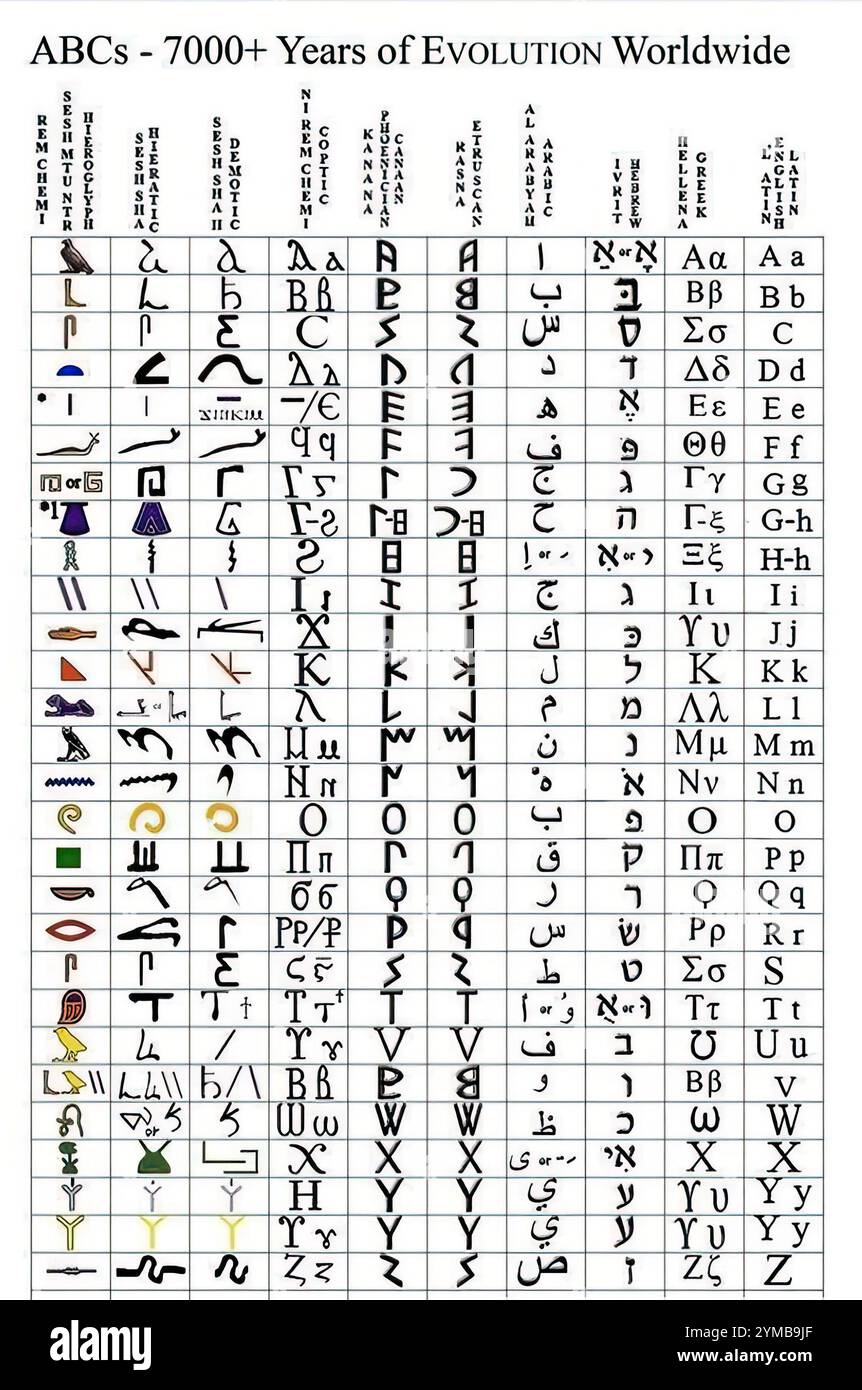
When the Romans conquered the Mediterranean world, they didn’t just impose laws and roads—they also spread their writing system. The original Latin script, derived from the Etruscan alphabet, was adapted to record Latin itself, then gradually modified to suit the phonetics of conquered peoples. Because Latin was the language of administration, law, and later, the Christian church, its letters traveled far beyond the Italian peninsula.
From Classical Inscription to Medieval Manuscript
After the fall of the Western Roman Empire, the Latin alphabet survived in monasteries, where monks painstakingly copied religious texts by hand. These scribes introduced new letterforms—like the rounded "g" and the ascender "f"—to improve readability on parchment. The script evolved into styles such as Carolingian minuscule, a clear, uniform hand that would later influence the design of printed typefaces.
The Printing Press and Standardization
Johannes Gutenberg’s mid‑15th‑century press marked a turning point. By casting movable type based on familiar Latin letters, he made it possible to reproduce books quickly and cheaply. This not only accelerated the spread of literacy but also cemented a relatively consistent set of letter shapes across Europe. As national languages emerged from Latin, each adopted the same basic alphabet while adding unique diacritics to capture sounds that the original set could not represent.
Adapting the Alphabet for Diverse Languages
Languages like French, German, and Spanish kept the core twenty‑six letters but introduced accents, cedillas, and umlauts. These marks are more than decorative; they signal vowel quality, stress, or even grammatical distinctions. For instance, the German "ß" (Eszett) originated as a ligature of "ſ" and "s" and still represents a specific "s" sound in modern orthography.
Latin Alphabet Meets Non‑Indo‑European Languages
Colonial expansion in the 16th and 17th centuries exported the Latin script to the Americas, Africa, and parts of Asia. Indigenous languages such as Quechua, Swahili, and Vietnamese were later transcribed using modified Latin letters, often supplemented with additional diacritics or digraphs. This practice made it easier for missionaries and administrators to produce written materials, but it also sparked debates about linguistic authenticity and cultural preservation.
Digital Age Challenges and Innovations
Today's computers and smartphones rely on Unicode, a universal character encoding that accommodates the Latin alphabet in all its variants. This means a single “é” or “ñ” can be displayed correctly on any device, eliminating the typographical glitches that plagued earlier typewriters. Yet, the convenience of digital input has also led to the occasional loss of diacritics in informal communication, subtly reshaping how the script is used day to day.
Why the Latin Alphabet Still Matters
Even as new scripts like Hangul or Devanagari gain global visibility, the Latin alphabet remains dominant in international business, science, and internet culture. Its adaptability—evident in the way it absorbs diacritics, digraphs, and even emoji—ensures it stays relevant. For learners, mastering this alphabet opens doors to a vast array of languages and cultural texts, from Shakespeare to contemporary pop lyrics.
Frequently Asked Questions
- Why does English use the Latin alphabet? English inherited the script through a chain of historical events: the Roman occupation of Britain, the spread of Christianity, and the later standardization of spelling during the printing era. Although English’s phonology is far more complex than Latin’s, the alphabet proved flexible enough to accommodate its quirks.
- Are there languages that use the Latin alphabet but aren’t Indo‑European? Yes. Vietnamese, Turkish, and many African languages such as Yoruba and Zulu use Latin letters, often with additional diacritics to represent sounds absent in European tongues.
- How are diacritics handled in digital text? Modern operating systems rely on Unicode, which assigns a unique code point to each letter‑plus‑diacritic combination. This ensures consistent rendering across platforms, though some older software may still strip accents, leading to “plain” ASCII versions of words.