How RFID Wallets Protect Your Cards While Looking Sharp
In an age where a tap of a credit card can unlock a store’s door or a subway turnstile, the invisible threat of digital pickpocketing feels surprisingly real. RFID wallets answer that worry with a thin layer of shielding that stops unauthorized scans, all while keeping your everyday carry sleek and personal. If you’ve ever wondered whether you can blend security with style, keep reading – the answers are closer than you think.
What Makes RFID Wallets Different?
Traditional leather or fabric wallets store cards, cash, and receipts without any special protection. An RFID (radio‑frequency identification) wallet, by contrast, incorporates a conductive material – often a blend of copper, aluminum, or nickel fibers – woven between the lining and the outer shell. This creates a Faraday cage of sorts that blocks electromagnetic fields from reaching the chips embedded in passports, credit cards, and transit passes.
The science is simple: when a scanner emits a radio wave, the metallic mesh reflects and absorbs the signal, preventing it from powering the chip. No power, no data transmission. For most everyday scenarios, this barrier is enough to keep thieves at bay without interfering with legitimate uses like tapping your card at a checkout terminal (you simply remove the card from the wallet first).
Why Style Still Matters
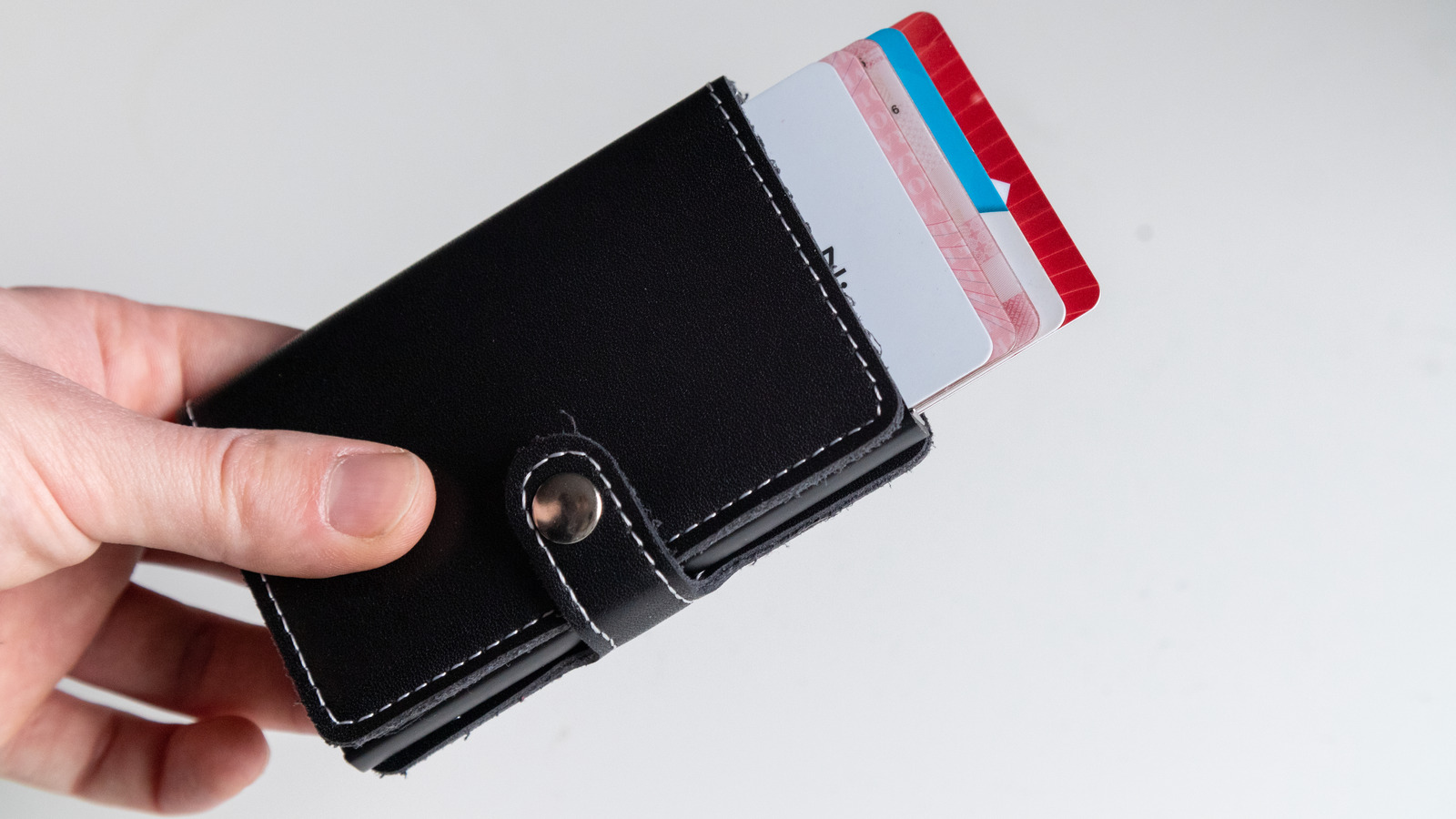
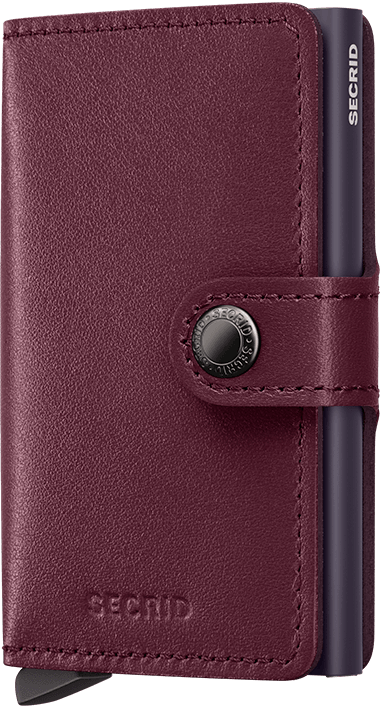
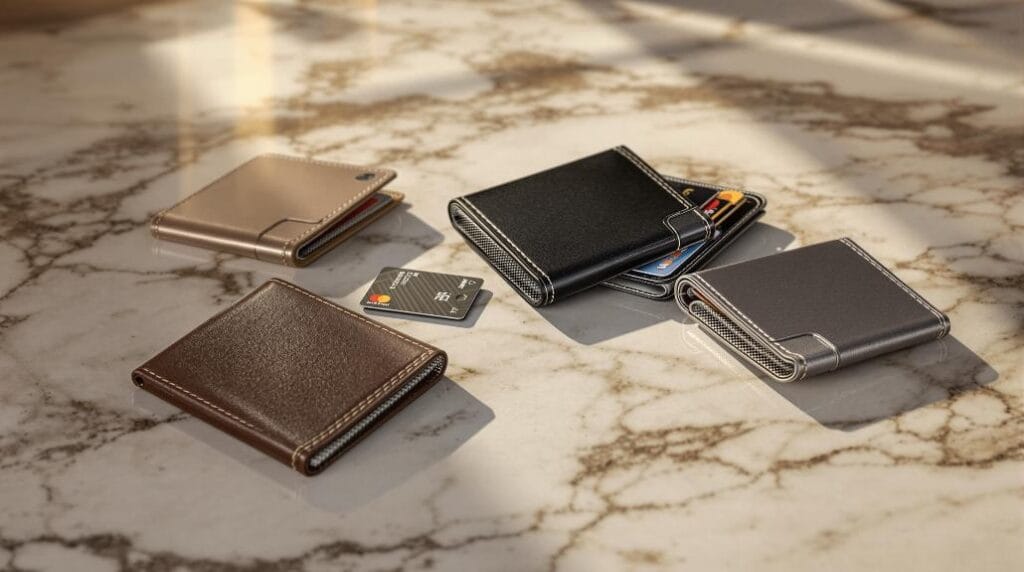
Security features are great, but a wallet is also an extension of your personal aesthetic. Modern RFID wallets come in a surprising array of designs: classic bifold leather, minimalist card‑only sleeves, and even eco‑friendly fabrics made from recycled plastics. Some brands add subtle details – a contrasting stitch, a brushed metal logo, or a hidden zip pocket – that let you express taste without shouting “I’m wearing a security device.”
Choosing a style that matches your daily routine can be as simple as asking yourself: Do I carry a lot of receipts, or just a few cards? Do I prefer a slim profile that slides into a front pocket, or a larger organizer that fits in a bag? The answers guide you toward a form factor that feels natural, so the wallet becomes an upgrade rather than a compromise.
Key Features to Look For
- Effective shielding material – Copper and aluminum fibers are the most common, but a multi‑layer construction with stainless steel offers extra durability.
- Card capacity – Some RFID wallets hold 8‑12 cards, while minimalist designs keep it to 4‑6. Consider how many you truly need day‑to‑day.
- Durability – Full‑grain leather ages beautifully, yet it may stretch over time. Synthetic composites stay firm but can feel less “premium.”
- Additional compartments – A zippered coin pocket, a hidden passport sleeve, or a dedicated cash pocket can reduce the need for extra accessories.
- Weight and thickness – A wallet should sit comfortably in a front pocket without creating an unsightly bulge.
How to Test an RFID Wallet Before You Buy
If you’re skeptical about the shielding claim, a quick test can give you peace of mind. Many electronics stores have RFID readers for contactless cards; you can hold a card inside the unopened wallet and see if the reader registers it. No response means the wallet is doing its job. Another low‑tech option is to use a smartphone with an NFC‑reading app – place the card inside the wallet, tap the phone to the exterior, and watch for any data readout.
Maintaining Your Wallet’s Shield
The metallic layer is usually embedded in the fabric, so you don’t have to treat it like a separate component. However, harsh chemicals and excessive moisture can degrade both the shielding and the outer material. Spot‑clean with a damp cloth, avoid submerging the wallet, and keep it away from abrasive surfaces. If you own a leather version, apply a conditioner sparingly; too much product can coat the shielding and reduce its effectiveness.
Common Myths Debunked
Myth 1: RFID wallets block all signals, including legitimate ones. In practice, they only block signals when the card stays inside the wallet. When you need to tap, you simply pull the card out – just like with a regular wallet.
Myth 2: All cards are vulnerable to RFID theft. Only cards that contain RFID chips – most modern credit cards, passports, and transit passes – can be skimmed. Plain magnetic stripe cards and cash remain unaffected.
Myth 3: You can’t use contactless payment with an RFID wallet. You can, as long as the card is removed before the transaction. The wallet’s shield doesn’t interfere with the phone’s NFC capabilities, either.
Choosing the Right Wallet for Your Lifestyle
Think of your daily routine as a checklist. If you commute by subway and need a transit pass within easy reach, a slim RFID sleeve that slides into a pocket may be ideal. If you travel internationally and carry a passport, a larger bifold with a dedicated passport pocket offers both protection and organization. For those who love a minimalist look, a card‑only clutch with a sleek metal clasp can keep a handful of essentials safe without adding bulk.
Budget also plays a role. Entry‑level RFID wallets start around $20, offering basic shielding and simple designs. Mid‑range options (roughly $40‑$80) often feature premium leathers, stitching details, and extra compartments. Luxury brands may charge upwards of $150, delivering artisanal craftsmanship and lifetime guarantees – a worthwhile investment if you view the wallet as a lasting accessory.
Future Trends in RFID Protection
As contactless payments proliferate, manufacturers are experimenting with “smart” RFID wallets that integrate Bluetooth trackers, allowing you to locate a misplaced wallet via a smartphone app. Some brands are also exploring graphene‑based shielding, promising thinner layers with equal or better protection. While these innovations are still emerging, they hint at a future where security and tech integration become standard rather than optional.
FAQ
Do RFID wallets block all types of radio signals?
They’re designed primarily for the frequencies used by RFID chips (typically 13.56 MHz). They won’t block Wi‑Fi, Bluetooth, or cellular signals, so you can still use your phone normally.
Can I keep a transit card inside an RFID wallet and still tap it on the gate?
Yes, but you’ll need to slide the card out first. The wallet’s shield only works when the card remains inside.
Are there any downsides to using an RFID wallet?
The main inconvenience is the extra step of removing a card for a contactless payment. Otherwise, the wallet functions like any regular one, with the added benefit of protection.
How do I clean my RFID wallet without damaging the shielding?
Use a soft, slightly damp cloth for the exterior. Avoid soaking, harsh detergents, or abrasive scrubbers, as they can degrade both the material and the embedded metal fibers.
Whether you prioritize a classic leather finish, a sleek carbon‑fiber look, or an eco‑friendly recycled fabric, there’s an RFID wallet that matches your aesthetic while safeguarding your data. The technology may be invisible, but the peace of mind it provides is anything but.