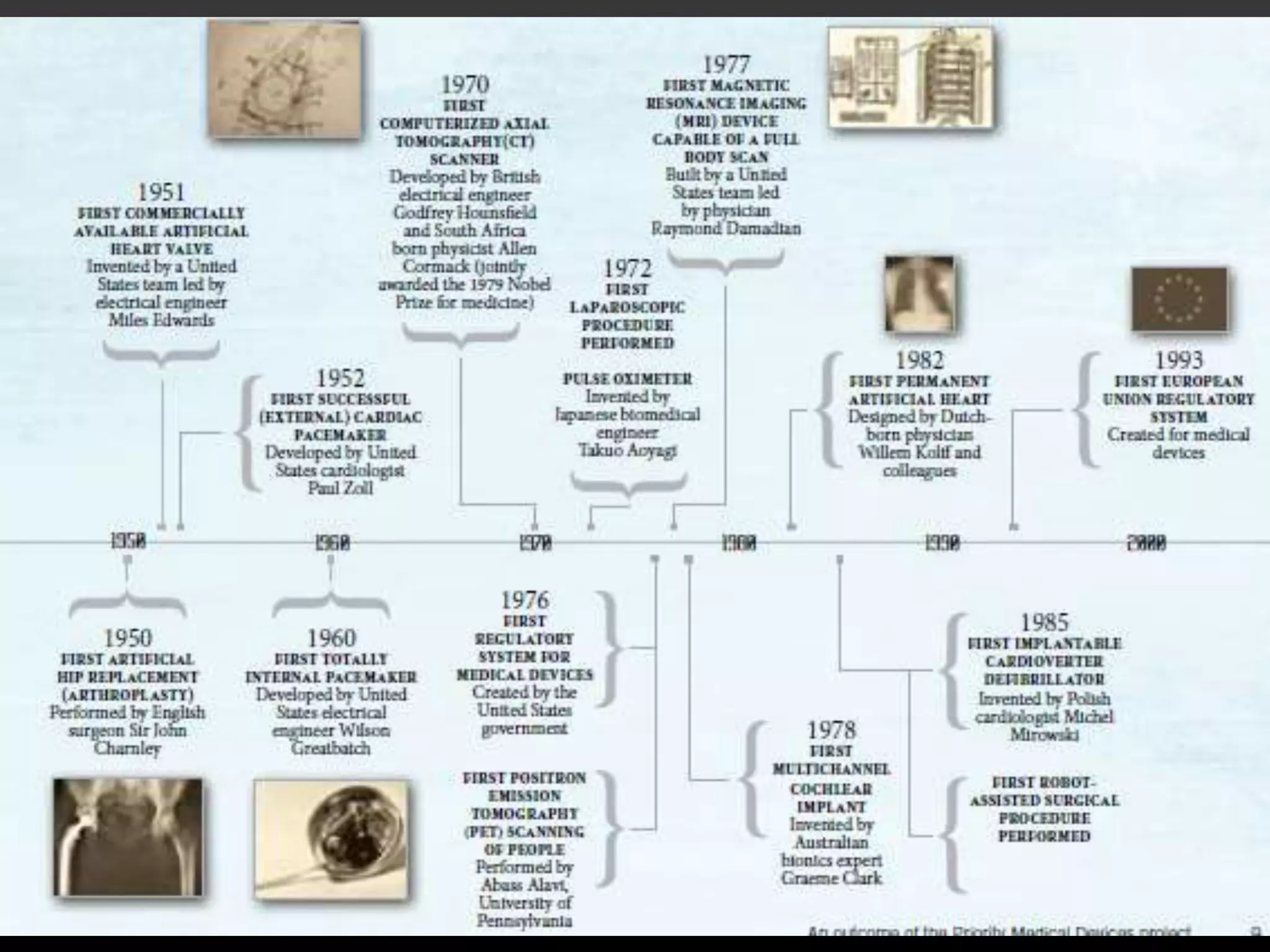
How Medical Innovators Have Shaped the History of Medicine
When we think of medicine’s greatest advances, the names that often come to mind are not just doctors, but visionaries who pushed the boundaries of knowledge. These medical innovators have rewritten the playbook for patient care, turning speculation into science and hope into reality. In this article, we’ll journey through time—from ancient practices to the digital age—to uncover the people and ideas that have sculpted the story of medicine. Whether you’re a student, a curious reader, or a healthcare professional, this exploration will show how individual ingenuity can leave an indelible mark on humanity’s health.
Medical Innovators Shaping the History of Medicine
The lineage of medical progress starts with Hippocrates, who introduced the “humoral theory” and a codified ethical framework that still guides physicians today. In the centuries that followed, Galen refined anatomy through animal dissections, and Ibn al-Nafis challenged prevailing notions by describing pulmonary circulation. Each of these figures added a building block, setting the stage for future breakthroughs.
Fast forward to the Renaissance, and we encounter Andreas Vesalius, whose 1543 publication De humani corporis fabrica corrected many of Galen’s anatomical errors. Vesalius’s insistence on human dissection underscored the importance of direct observation—a principle that continues to underpin modern research. Meanwhile, in the 18th century, Edward Jenner’s smallpox vaccine demonstrated that a living organism could train the immune system, sparking a cascade of immunological discoveries.
These pioneers share a common trait: a willingness to question accepted wisdom. By challenging the status quo, they opened pathways that future innovators would traverse and expand upon.
Diagnostic Revolution – From Microscopy to Genomics
Microscopes transformed the 19th century, allowing scientists like Louis Pasteur to link microbes to disease. Pasteur’s germ theory overturned miasma thinking and paved the way for antiseptic techniques. As the century closed, Wilhelm Röntgen’s X‑ray discovery gave clinicians a non‑invasive view inside the human body, reshaping diagnostics forever.
The late 20th and early 21st centuries have seen a genomic boom. The Human Genome Project, completed in 2003, mapped the entire human DNA sequence, enabling personalized medicine and targeted therapies. Today, portable sequencing devices allow real‑time pathogen detection, as seen during the COVID‑19 pandemic, and promise rapid responses to emerging infectious diseases.
Surgical Milestones – Anesthesia, Sutures, Robotic Surgery
Before anesthesia, surgery was a brutal, often fatal ordeal. The introduction of ether in 1846 by William Morton turned surgery into a more humane, controlled procedure, making complex operations feasible. Subsequent refinements in anesthetic agents and monitoring equipment have made modern surgery safer than ever.
In the 20th century, the development of absorbable sutures by Dr. Harold C. Miller in 1945 reduced infection risks and eliminated the need for suture removal. The late 1990s introduced laparoscopic techniques, allowing surgeons to operate through tiny incisions, reducing recovery times dramatically.
Robotic surgery, popularized by the da Vinci system in 2000, exemplifies how technology can augment human dexterity. Surgeons now operate with enhanced precision, 3D visualization, and tremor filtration, benefiting patients with minimally invasive procedures across specialties.
Pharmaceutical Breakthroughs – Antimicrobials, Vaccines, Gene Therapy
Antibiotic discovery began with Alexander Fleming’s accidental discovery of penicillin in 1928. Though its widespread use came later, penicillin marked the dawn of modern antimicrobials, turning once‑lethal infections into treatable conditions.
Vaccination has seen remarkable progress since Jenner. Polio vaccines, introduced in the 1950s, nearly eliminated the disease in many parts of the world. More recently, mRNA vaccines, developed by scientists like Katalin Karikó and Drew Weissman, have shown unprecedented speed and efficacy against COVID‑19, illustrating the power of platform technologies.
Gene therapy, once a speculative field, has made tangible strides. The FDA‑approved treatment Luxturna in 2017 restored vision for patients with inherited retinal disease, while ongoing trials explore CRISPR‑based corrections for a range of genetic disorders.
Digital Health – AI, Wearables, Telemedicine
Wearable devices such as smartwatches now track heart rate, blood oxygen, and sleep patterns in real time, providing data that can predict arrhythmias or detect sleep apnea before symptoms arise. Telemedicine, accelerated by the pandemic, has broadened access, especially for rural patients, by enabling virtual consultations that reduce travel and wait times.
Artificial intelligence, though a modern buzzword, already assists clinicians. Algorithms can read radiographs and flag abnormalities with accuracy comparable to specialists, freeing up physicians to focus on complex decision‑making. In oncology, AI aids in tumor detection and personalized treatment planning, illustrating how data science can augment traditional care.
These digital tools, combined with cloud-based health records, foster a more integrated and proactive healthcare ecosystem. The trend toward patient‑centric, data‑driven care is reshaping both clinical practice and health policy.
Frequently Asked Questions
- What defines a medical innovator? A medical innovator is someone who introduces new ideas, techniques, or technologies that significantly improve diagnosis, treatment, or prevention of disease.
- How do innovators influence modern medicine? By challenging assumptions, publishing rigorous research, and collaborating across disciplines, they create standards that become mainstream practice.
- Are patient data privacy concerns addressed in digital health? Yes—regulations such as HIPAA and GDPR set stringent standards for protecting patient information, and most platforms implement encryption and secure authentication.
- Can medical innovators be found outside the U.S.? Absolutely. Contributions come from all over the globe—from Dr. Tu Youyou’s discovery of artemisinin in China to the work of Indian surgeon Dr. Devi Shetty in cardiac care.