Your Complete Guide to Beijing’s Weather and Climate
Why Beijing’s Climate Deserves a Close Look
Travelers, expats, and even locals find themselves checking the forecast before stepping out onto Beijing’s bustling streets. The city’s weather patterns swing dramatically between bitter‑cold winters and humid, rain‑laden summers, making a solid grasp of the climate essential for packing, planning activities, and staying comfortable.
Understanding Beijing’s Seasonal Patterns
Beijing sits in a monsoon‑influenced, continental climate zone. That means four distinct seasons, each with its own quirks.
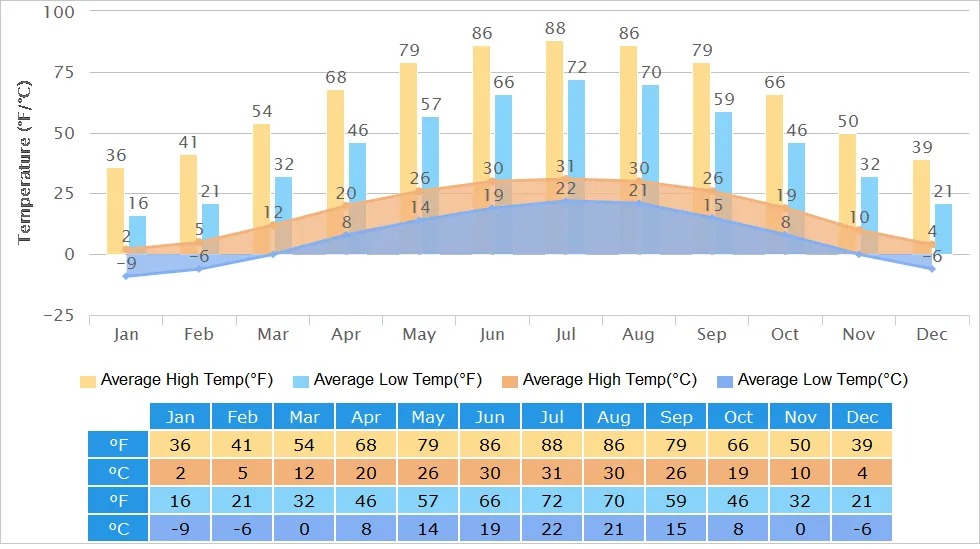
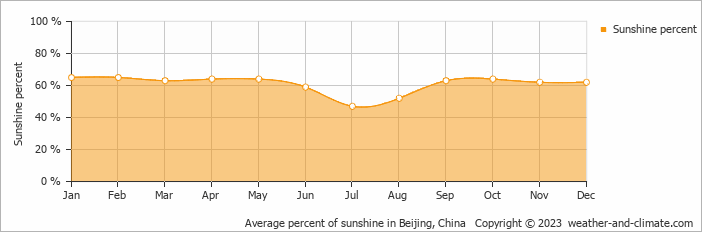
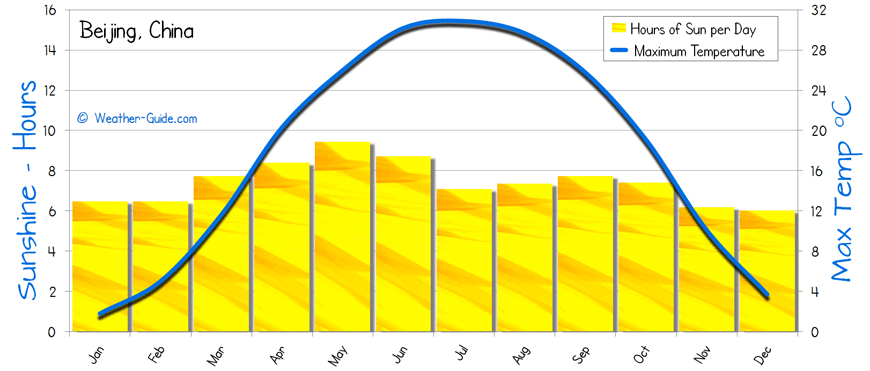
- Winter (December‑February): Temperatures often hover between ‑10°C and 5°C (14°F‑41°F). Clear skies dominate, but wind can make it feel colder.
- Spring (March‑May): A brief, pleasant interlude. March still feels chilly, while May brings temperatures up to 22°C (72°F) and occasional dust storms from the north.
- Summer (June‑August): Humidity climbs, and daily highs regularly reach 30°C‑33°C (86°F‑91°F). July is the peak of the East Asian monsoon, delivering the majority of the city’s annual rainfall.
- Autumn (September‑November): Considered the most comfortable period. Crisp air, mild sunshine, and low precipitation make it a favorite for outdoor exploration.
These broad strokes help you anticipate what the city feels like, but the reality can be a bit more nuanced.
Monthly Temperature and Rainfall Snapshot
Below is a quick reference for average highs, lows, and precipitation. Values are based on long‑term meteorological records, so they reflect typical conditions rather than extreme outliers.
- January: High 2°C, Low ‑9°C, Rain ≈ 1 mm
- April: High 19°C, Low 5°C, Rain ≈ 15 mm
- July: High 31°C, Low 22°C, Rain ≈ 190 mm
- October: High 18°C, Low 5°C, Rain ≈ 9 mm
Notice the spike in July rainfall—most of Beijing’s annual 600 mm of precipitation arrives in just three months.
What the Air Quality Means for Your Day
Beijing’s infamous smog isn’t just a visual nuisance; it affects health and outdoor plans. The city’s air quality index (AQI) typically rises in winter when coal heating is in full swing, and dips in late spring and early autumn when winds disperse pollutants.
Practical steps to cope:
- Check real‑time AQI apps before heading out, especially if you have respiratory sensitivities.
- Carry a lightweight mask on days when AQI exceeds 150.
- Schedule outdoor activities—like hiking the Great Wall or cycling around the 798 Art District—during mornings, when pollutants are usually lower.
How Humidity Influences Comfort
Summer humidity in Beijing often sits between 60 % and 80 %. Even if temperatures feel tolerable, that moisture can make the heat feel oppressive. Dehumidifiers are a common household item, and many cafés install air‑conditioning units that also reduce humidity.
In contrast, winter air is dry, sometimes dropping below 30 % relative humidity. This can lead to dry skin and irritated throats. A simple humidifier or placing a bowl of water near a radiator helps maintain a more comfortable indoor environment.
Planning Activities Around the Weather
Knowing the climate lets you match your itinerary to the most suitable conditions.
Winter Wonders
Snow is rare but not unheard of. When it does fall, the Forbidden City takes on a magical, hushed look. Skating rinks pop up in parks like Beihai, and hot pot meals become a cultural staple for warming up.
Spring Exploration
Early blossoms in the Summer Palace and the fragrant peonies of Fragrant Hills are at their peak. Pack a light jacket for the evenings, as temperatures can swing sharply.
Summer Survival
Beat the heat by visiting indoor attractions during the hottest hours—think the National Museum of China or the sprawling underground shopping malls. If you prefer the outdoors, aim for early morning hikes along the Mutianyu section of the Great Wall.
Autumn Adventures
This is arguably the best time for biking along the Shichahai lakes or strolling through the historic hutongs. The weather is mild, the foliage adds a splash of colour, and the AQI is often at its lowest.
Practical Packing Checklist
- Layerable clothing for winter and spring evenings.
- Light, breathable fabrics for summer, plus a hat and sunscreen.
- Compact, reusable mask for occasional high AQI days.
- Portable umbrella—May and June can bring sudden showers.
- Small, foldable humidifier (optional) for winter stays.
Frequently Asked Questions
When is the best month to visit Beijing for comfortable weather?
Most travelers favour September or early October. Temperatures hover around 18‑22°C (64‑72°F), humidity is low, and air quality tends to be better than in winter.
Do I need a heavy coat for Beijing winters?
A well‑insulated coat, gloves, and a scarf are advisable. While daytime highs can climb to a few degrees above freezing, evenings often dip below ‑10°C (14°F).
How often does Beijing experience dust storms?
Dust storms are most common in March and April, especially when strong northerly winds pick up sand from the Gobi Desert. They usually last a few hours, so keeping an eye on weather alerts is wise.
Is air conditioning sufficient to combat summer humidity?
Modern air‑conditioning units in hotels and restaurants typically handle both heat and humidity, making indoor spaces comfortable even on the most muggy days.