Why Your Mercedes Airbag Light Is On—and How to Fix It
Understanding the Airbag Warning Indicator
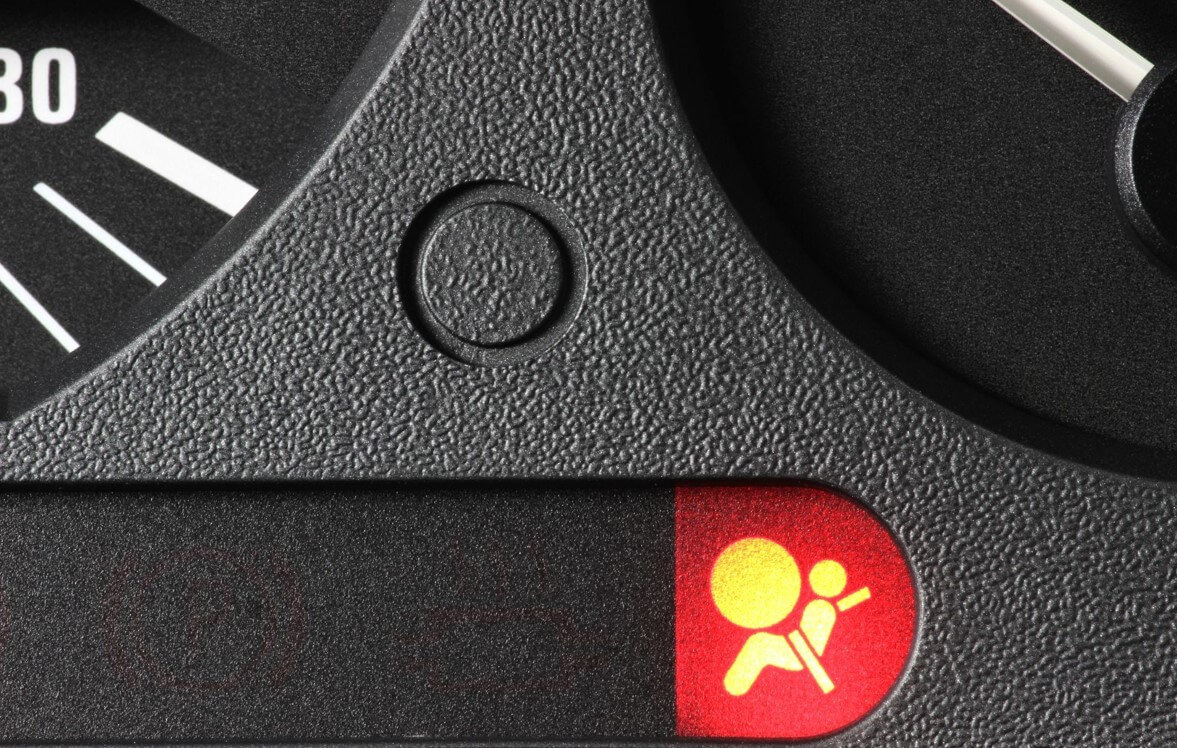
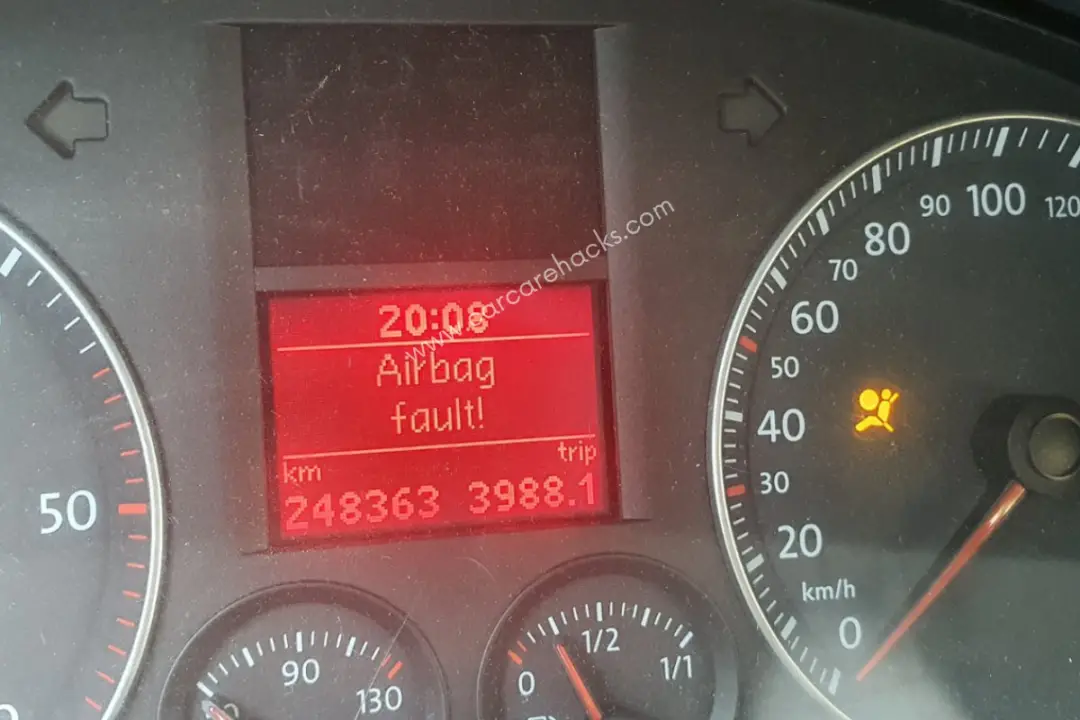
The airbag light on a Mercedes isn’t just a decorative dash bulb; it’s a direct line of communication from the vehicle’s safety system. When that amber lamp flickers or stays solid, it signals that the Supplemental Restraint System (SRS) has detected a fault. In many cases the issue is minor—a loose connector or a depleted sensor battery—but the light can also hint at deeper problems that affect deployment timing.
Because the SRS is designed to protect occupants in a crash, the car’s computer will disable the airbags entirely if it can’t verify that everything is functioning correctly. That’s why it’s crucial to address the warning promptly.
Typical Triggers for a Mercedes Airbag Light
- Faulty impact sensor – The accelerometer that decides when to fire the airbags can fail or become misaligned.
- Seat‑belt pretensioner issues – If the pretensioner circuit trips, the light may come on even if the airbags themselves are fine.
- Clock‑spring wear – This rotary connector in the steering wheel endures constant motion; broken wires inside can interrupt the airbag signal.
- Battery voltage drop – A weak battery or alternator problem can cause the SRS module to register an error.
- Recent crash or airbag deployment – Even a minor impact that didn’t trigger deployment can set an error code that needs resetting.
Most of these triggers generate a diagnostic trouble code (DTC) that a scan tool can read. Mercedes‑specific scanners, such as the Star Diagnosis system, will pinpoint the exact module and fault.
Diagnostic Steps Before Heading to the Shop
Before you schedule a service appointment, you can perform a few quick checks that often resolve the issue without professional intervention.
1. Inspect the steering wheel for play
Gently wiggle the wheel while the ignition is off. Excessive movement may indicate a worn clock‑spring. If you feel a loose feel, it’s safer to let a technician replace the steering wheel assembly.
2. Verify the battery and charging system
Using a multimeter, measure the battery voltage with the engine off (should read around 12.6 V). Then start the engine and watch the voltage rise to 13.8‑14.4 V. Significant deviation can cause false SRS codes.
3. Reset the light with an OBD‑II scanner
Some generic OBD‑II tools can clear SRS codes, though they may not display the underlying issue. If the light stays off after a reset and the car runs normally for a few days, the problem could have been a temporary voltage dip.
DIY Fixes You Can Try Safely
Only attempt these fixes if you’re comfortable working around the steering wheel and have basic tools.
- Reconnect loose connectors – Locate the airbag module under the dashboard (usually behind the glove compartment) and check that the plug is seated firmly.
- Replace a blown fuse – The SRS fuse is often labeled “AIRBAG” in the fuse box. A quick visual inspection can reveal a broken filament.
- Swap a faulty seat‑belt pretensioner sensor – These sensors are usually mounted on the B‑pillar. Replacing them requires removing the interior trim but is doable with a trim removal tool.
If any of these steps feel uncertain, it’s best to stop and let a qualified Mercedes technician take over. The airbag system involves high‑voltage components that can be dangerous if mishandled.
When Professional Help Is the Right Choice
Even with the best DIY effort, some faults demand specialized equipment. For example, a defective clock‑spring typically requires the steering wheel to be removed, a process that includes disconnecting the airbag module and resetting the SRS after installation. Mercedes dealerships have the proprietary Star Diagnosis tool that can re‑learn the system and clear fault codes properly.
Additionally, if the airbag light reappears after a reset, it suggests an intermittent fault that could compromise safety. In such cases, a full SRS scan and possible component replacement (airbag control unit, impact sensor, or pretensioner) are warranted.
Preventive Measures to Keep the Light Off
Regular maintenance goes a long way. During routine service, ask the technician to check the SRS voltage and inspect the clock‑spring for early signs of wear. Replacing the battery every 4‑5 years also helps maintain stable voltage levels.
Finally, avoid DIY repairs that involve cutting or splicing wires in the steering column. A clean, manufacturer‑approved repair ensures the airbag system remains reliable for years to come.
Frequently Asked Questions
What does it mean if the airbag light flashes instead of staying solid?
A flashing airbag light typically indicates a transient fault, such as a momentary voltage drop. The system will log a code but may not disable the airbags. Still, it’s wise to scan for codes and address the underlying cause.
Can I drive my Mercedes with the airbag light on?
Technically, the vehicle will still operate, but the airbags may be disabled, reducing protection in a crash. It’s safest to have the issue diagnosed and repaired before long trips.
Is an OBD‑II scanner enough to clear the airbag light?
Some generic scanners can clear the code, but they won’t reset the SRS modules or verify that the fault is truly resolved. A Mercedes‑specific scanner is recommended for a thorough reset.
How much does it cost to fix a Mercedes airbag light?
Costs vary widely. Replacing a simple fuse may be under $20, while clock‑spring replacement can run $500‑$800 including labor. Getting a diagnostic quote before authorizing repairs helps avoid surprises.