Why Your AC Stops Cooling After a Wash (Quick Read)
What actually happens when you wash an air conditioner?
Giving your split‑type or window AC a good rinse sounds harmless—after all, dust and grime are the usual culprits behind reduced airflow. But water and electricity don’t always get along. When you hose down the unit, moisture can sneak into places that are meant to stay dry, and the result is often a sudden loss of cooling power.
Common reasons the cooling drops right after a wash
There are a handful of typical trouble spots that explain why an AC that seemed fine yesterday suddenly blows lukewarm air.
- Electrical short or tripped breaker: If water reaches the control board or wiring, the circuit may short out, causing the thermostat to think the unit is off.
- Clogged condensate drain: A wash can dislodge debris that blocks the drain pan, leading to excess water pooling around the evaporator coil.
- Sensor misreadings: Many modern units have a temperature sensor that sits near the coil. A splash of water can give it a false low‑temperature reading, so the compressor never kicks in.
- Refrigerant leakage: While rare, aggressive cleaning can jostle fittings, allowing a slow refrigerant leak that drops the cooling capacity.
Step‑by‑step checklist to diagnose the problem
Before you call a technician, run through these quick checks. They’ll tell you whether the issue is something you can fix yourself or if professional help is required.
1. Verify power and reset the unit
Locate the circuit breaker that feeds the AC and flip it off for a minute. Then switch it back on. This simple reset often clears a short‑circuit caused by residual moisture.
2. Inspect the outdoor condenser
Look for standing water around the condenser coils. If you see puddles, gently wipe them away and make sure the fan is spinning freely. A wet fan can drag the motor down, reducing airflow.
3. Check the indoor evaporator coil
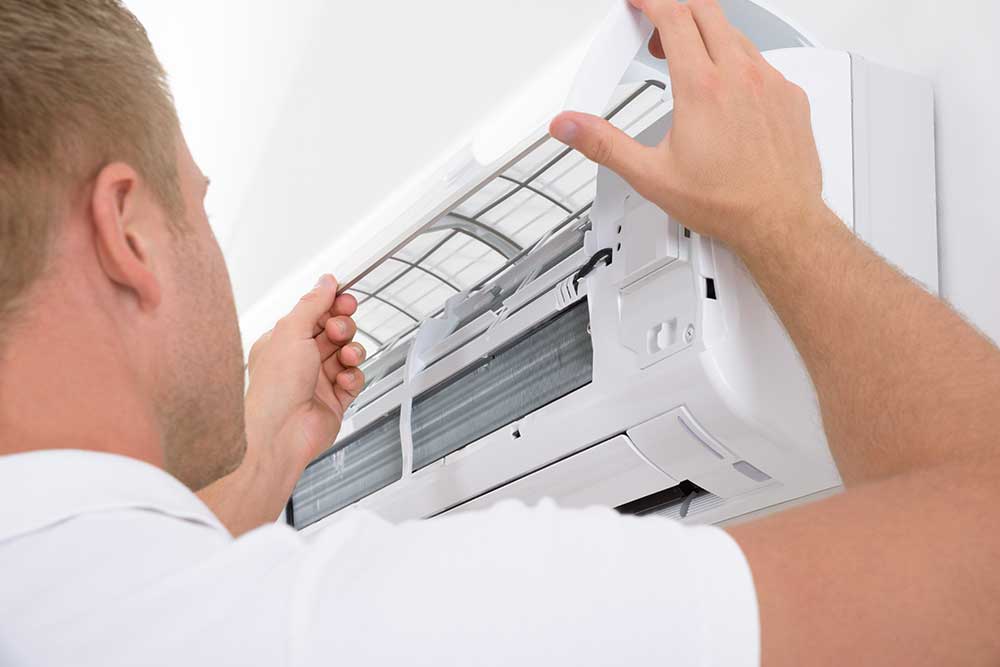
Open the front panel (after turning the power off) and peek at the coil. If it looks slick with water, use a soft cloth to dab it dry. Avoid using a hair dryer—heat can warp the fins.
4. Listen for the compressor
When you turn the thermostat to “cool,” you should hear a low hum from the outdoor unit as the compressor starts. No sound? That likely points to an electrical fault.
5. Test the thermostat settings
Make sure the mode is set to “cool” and the temperature is lower than the current room temperature. Some users accidentally leave the unit on “fan” after cleaning, which gives the illusion of a cooling failure.
How to prevent cooling loss after future washes
Cleaning your AC doesn’t have to be a gamble. Follow these best‑practice tips to keep moisture where it belongs.
- Use a gentle spray rather than a high‑pressure hose. A garden sprayer or a fine mist setting reduces the chance of water forcing its way into the electrical cabinet.
- Cover the electrical components with a plastic sheet or zip‑lock bag before you start. Leave a small opening for air circulation, but keep the main board dry.
- Allow at least 30 minutes of drying time before you restore power. A fan placed nearby can speed up the process.
- Schedule a professional deep‑cleaning once a year. Technicians have specialized tools that purge dust without water.
When to call in a professional
If you’ve reset the breaker, dried the coils, and still get warm air, it’s time to hand over the job. A certified HVAC technician can:
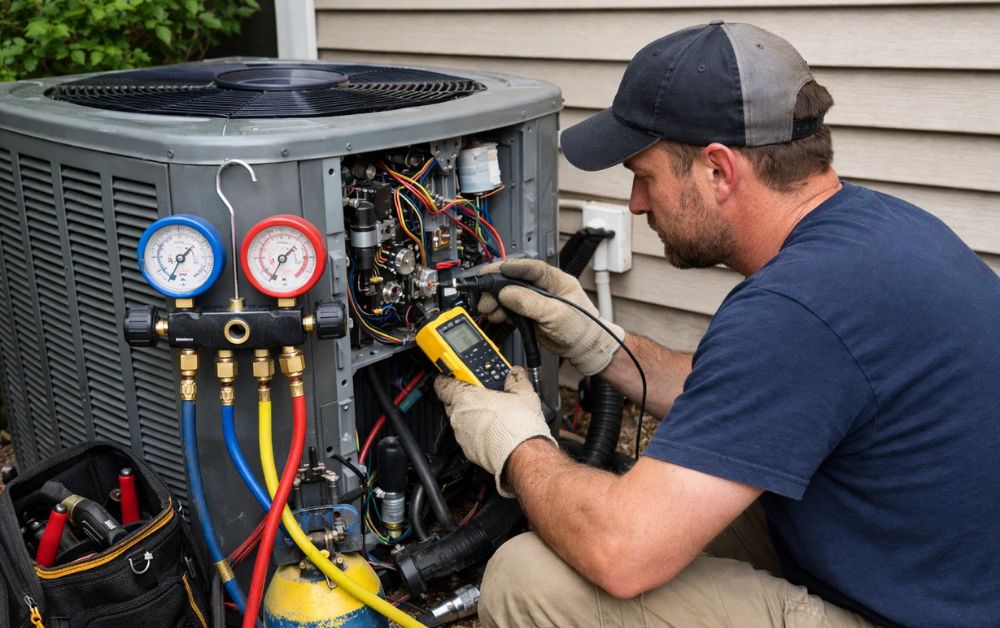
- Use a multimeter to trace hidden shorts on the control board.
- Recharge refrigerant if a leak is detected, which requires EPA‑approved equipment.
- Replace faulty sensors or thermostats that may have been compromised by moisture.
Attempting these repairs yourself can void warranties or cause further damage, so err on the side of caution.
Quick FAQ
Q: My AC blows cool air for a few minutes after washing, then stops. Why?
A: The evaporator coil may be cooling initially, but as water accumulates around the sensor, it sends a false low‑temperature signal, shutting the compressor off.
Q: Can I use a wet‑dry vacuum to dry the indoor unit?
A: Yes, a low‑suction vacuum can safely pull moisture from the coil without risking electrical contact. Just keep the nozzle a few centimeters away from the fins.
Q: Is it normal for the fan to run but not the compressor after a wash?
A: That’s a classic sign of an electrical interruption—usually a tripped breaker or a shorted control board.
Q: How often should I clean my AC to avoid these issues?
A: A light surface clean every three months is sufficient for most homes. Reserve a thorough water‑based wash for once a year, and always follow the safety steps outlined above.