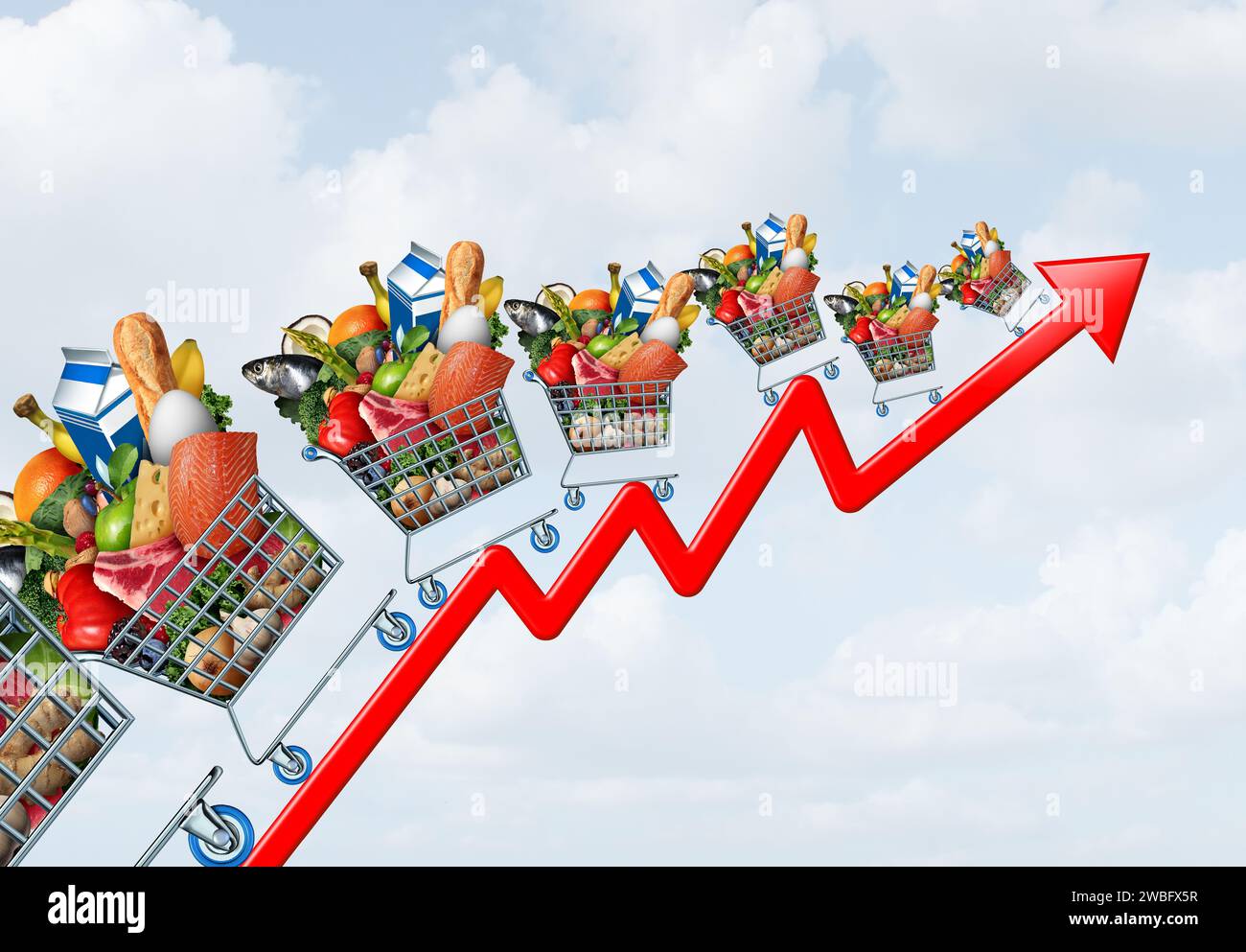
Why Grocery Prices Are Skyrocketing and What’s Behind the Surge
When you walk down the aisle and see the price tags creeping upward, you’re not alone in wondering why grocery prices have taken such a leap. From fresh produce to pantry staples, the uptick feels pervasive, and the reasons stretch far beyond a simple case of inflation. Below, we untangle the web of forces—some seasonal, some structural—that are pushing the cost of our everyday foods higher.
Supply Chain Bottlenecks After the Pandemic
The pandemic exposed how fragile the food supply chain really is. Factories that once ran around the clock shut down for weeks, and when they reopened, they faced a backlog of orders. Shipping containers sat idle at ports, and the ripple effect meant that even basic items like canned beans took longer—and cost more—to reach store shelves. While many bottlenecks have eased, the lingering impact of delayed shipments continues to add a premium to the final retail price.
Rising Transportation and Fuel Costs
Trucking, rail, and maritime freight all rely heavily on fuel, and the price of diesel has been on a steady climb. When fuel prices jump, carriers often pass that expense directly to grocery retailers, who then adjust shelf prices to protect their margins. Even a modest increase in freight rates can translate into a noticeable bump in the cost of perishable goods, especially those that travel long distances from farm to store.
Labor Shortages at Every Link
From farmworkers picking strawberries to warehouse staff sorting pallets, the labor market is tightening across the board. Seasonal workers are harder to recruit, and wages have risen as employers compete for a smaller pool of hands. Higher labor costs don’t stay confined to the farm; they filter through processing plants, distribution centers, and finally into the checkout line. In many cases, businesses have had to automate certain steps, a move that requires upfront investment and can temporarily drive prices up.
Climate Impacts on Production
Extreme weather events—droughts in the Midwest, floods in Southeast Asia, and unseasonal frosts in Europe—have taken a toll on crop yields. When a bumper harvest turns into a modest one, the supply of staples like wheat, corn, and rice shrinks, and scarcity naturally pushes prices higher. Even beyond outright loss, unpredictable weather forces farmers to invest in resilient seeds, irrigation systems, or insurance, costs that inevitably make their way onto the grocery bill.
Policy Shifts and Trade Tensions
Trade policies can be a silent driver of price changes. Tariffs on imported goods, whether on steel for packaging or on agricultural commodities themselves, add a layer of cost that retailers must absorb. Likewise, new regulations—such as stricter emissions standards for delivery trucks—can increase operational expenses. While these policies often aim at broader goals like environmental protection or domestic industry support, the immediate effect is a modest uptick in food prices.
Consumer Demand and Shifting Preferences
Post‑pandemic, many shoppers have gravitated toward healthier, organic, or plant‑based options. These products often require more specialized farming practices, higher-quality inputs, or smaller-scale production, all of which can be pricier than conventional alternatives. As demand for these niche items rises, retailers expand their shelves, but the higher cost per unit can influence the overall price landscape, nudging average grocery bills upward.
Packaging, Safety, and Regulatory Costs
Safety standards have tightened, especially after several high‑profile foodborne illness outbreaks. More rigorous testing, enhanced labeling, and stronger packaging requirements mean producers incur additional expenses. While these measures are essential for consumer health, they contribute to the cost structure that eventually appears on price tags. In some cases, the push for sustainable packaging—biodegradable plastics or recyclable materials—carries a higher price tag than traditional options.
Retail Strategies and Margin Management
Retailers themselves play a role in the price equation. Some chains have adopted “everyday low pricing” models, while others rely on promotional spikes followed by higher baseline prices. When margins tighten due to the factors above, stores may adjust their pricing tactics, opting for fewer deep discounts and more stable, higher baseline prices. This strategic shift can make the overall cost of groceries seem more persistent.
Frequently Asked Questions
- Why are fresh produce prices increasing faster than packaged goods? Fresh produce is especially vulnerable to weather and transportation disruptions. A single frost or flood can cut supply dramatically, while packaging and shelf‑stable items benefit from longer storage and broader sourcing options.
- Can I expect grocery prices to stabilize soon? Stabilization depends on several moving parts—fuel prices, labor market conditions, and global weather patterns. Many analysts anticipate a gradual leveling off if supply chain efficiencies improve, but short‑term spikes may still occur.
- Do loyalty programs help offset rising prices? Loyalty discounts can soften the blow for frequent shoppers, but they rarely counterbalance the broad market forces driving overall price growth. It’s wise to combine loyalty perks with smart shopping habits like bulk buying or seasonal purchasing.
- Are there any foods that are actually getting cheaper? Some staple grains, like certain varieties of rice, have seen modest price declines due to improved harvests in key exporting regions. However, these pockets of relief are often outweighed by the broader upward trend.