Why Fermentation Science Apps Are a Powerful Tool for Brewers
If you’ve ever stared at a bubbling jar, wondered why a sourdough loaf didn’t rise, or tried to nail the perfect kombucha fizz, you’ve already felt the limits of gut‑feeling alone. Fermentation science apps bridge that gap, turning centuries‑old microbial magic into data‑driven decisions. In the first few minutes of using one, you’ll notice how a simple temperature log or pH calculator can transform a guess into a reproducible recipe.
What Sets a Fermentation App Apart from a Recipe Blog?
Most online guides give you a static list of ingredients and a vague “let it sit for a week.” An app, by contrast, offers dynamic feedback. It can warn you when ambient temperature drifts outside the optimal range, suggest adjustments to sugar levels based on real‑time measurements, and even remind you to vent a kimchi crock before it goes off‑track. This interactivity makes the fermentation process less mysterious and more controllable.
Key Features to Look For
- Temperature and Humidity Tracking – Sensors or manual entry let the app chart the environment, highlighting spikes that could spoil a batch.
- pH Monitoring Integration – Some apps sync with Bluetooth pH meters, providing instant acidity readings and trend graphs.
- Recipe Scaling Calculator – Adjust ingredient quantities for any batch size without losing the delicate balance of microbes.
- Microbial Database – Access information on yeast strains, bacteria, and molds, including optimal conditions and flavor profiles.
- Community Sharing – Upload results, compare notes, and borrow tweaks from other brewers facing similar challenges.
When these tools sit together, the app becomes a personal lab notebook that’s both portable and searchable.
Top Apps That Home Fermenters Swear By
While the market is still emerging, a handful of apps have earned solid reputations among hobbyists and small‑scale producers.
1. BrewTracker
This app excels at logging temperature curves for beer, mead, and cider. Its built‑in calculator lets you convert specific gravity readings into alcohol content, and the visual graphs make it easy to spot when fermentation stalls.
2. FermentIQ
Targeted more toward vegetable and dairy fermentations, FermentIQ includes a pH sensor interface and offers recipe templates for kimchi, sauerkraut, and kefir. Users appreciate the “sourness predictor,” which estimates final acidity based on early pH trends.
3. Kombucha Companion
Dedicated to kombucha, this app tracks SCOBY health, sugar consumption, and carbonation levels. Its reminder system prompts you to feed the culture at the right intervals, a feature that many beginners find lifesaving.
Integrating an App Into Your Brewing Routine
Adopting a new tool can feel like adding another step to an already busy process. Here’s a simple workflow that keeps the learning curve gentle:
- Set up your baseline. Before you start, record ambient temperature, water hardness, and initial pH. Most apps let you save this as a “starter profile.”
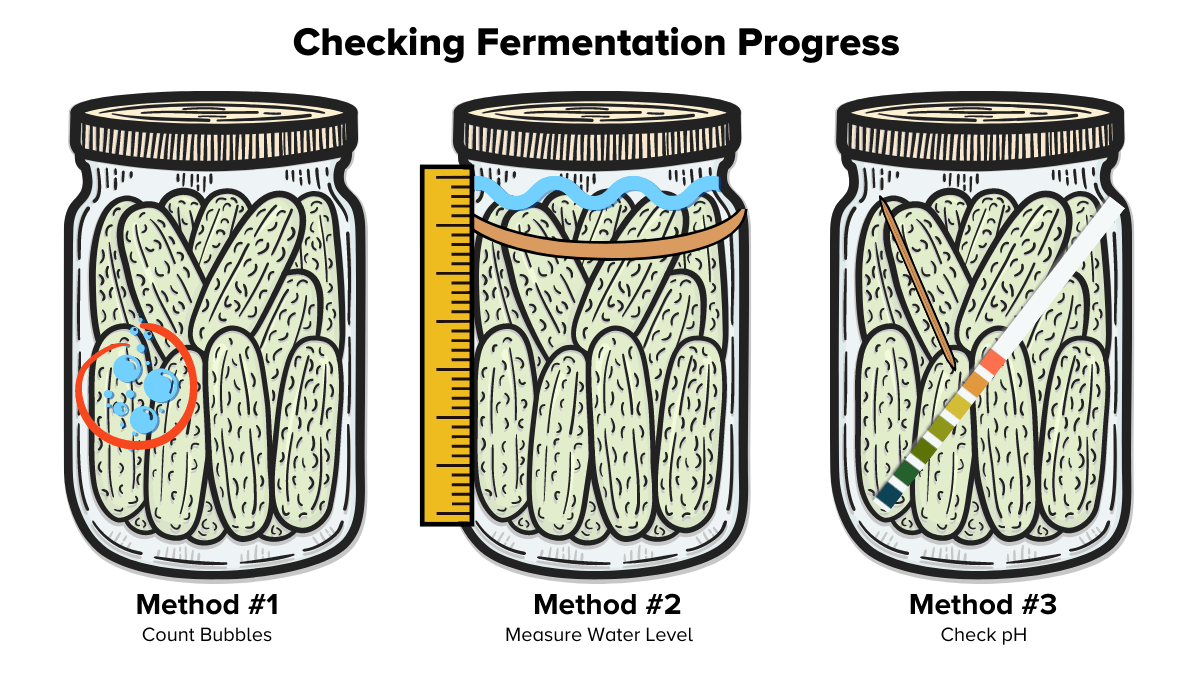
- Enter data daily. Even a quick note about temperature or a visual check of bubbles can feed the algorithm, allowing it to generate alerts only when necessary.
- Act on alerts. If the app warns that temperature has dipped below the yeast’s optimal range, move the fermenter to a warmer spot or use a heat pad.
- Review post‑fermentation. After the batch finishes, compare the final gravity, flavor notes, and any off‑flavors with the app’s predictions. Over time you’ll see patterns that help you fine‑tune future batches.
This routine takes only a few minutes each day but pays off in consistency and confidence.
Common Pitfalls and How to Avoid Them
Even the best apps can’t compensate for fundamental mistakes. Here are a few traps to watch out for:
- Relying on the app instead of sensory judgment. An unexpected aroma may still signal contamination, regardless of what the temperature log says.
- Skipping calibration. Sensors lose accuracy over time; recalibrate pH meters and thermometers according to the manufacturer’s schedule.
- Over‑complicating settings. Many apps offer advanced parameters that are unnecessary for beginner batches. Stick to the core features until you’re comfortable.
By treating the app as a guide rather than a rulebook, you retain the creative freedom that makes fermentation so rewarding.
Future Trends: Where Fermentation Apps Are Headed
Artificial intelligence is already making its way into the next generation of tools. Imagine an app that predicts the exact day a sour beer will reach its peak tartness, or one that suggests a new spice blend based on your flavor history. While such features are still in beta, the trajectory suggests a future where the line between hobbyist and professional lab continues to blur.
FAQ
Q: Do I need a Bluetooth sensor for every fermentation app?
A: No. Most apps allow manual entry, so a simple thermometer or pH strip works fine. Bluetooth devices add convenience but aren’t required for basic tracking.
Q: Can these apps help with large‑scale commercial fermentations?
A: The core features—temperature logging, pH monitoring, and recipe scaling—are applicable at any size. However, commercial operations often need integration with enterprise resource planning (ERP) systems, which most consumer‑focused apps don’t provide.
Q: Are there free options that still offer robust functionality?
A: Yes. Several apps offer a free tier with essential logging and basic calculators. Upgrading usually unlocks advanced analytics or sensor integrations.
Q: How secure is my fermentation data?
A: Most reputable apps encrypt data in transit and store it on secure cloud servers. If privacy is a concern, look for apps that allow local data export or offline mode.