Which Pests Does Endure Insecticide Control? A Complete Guide
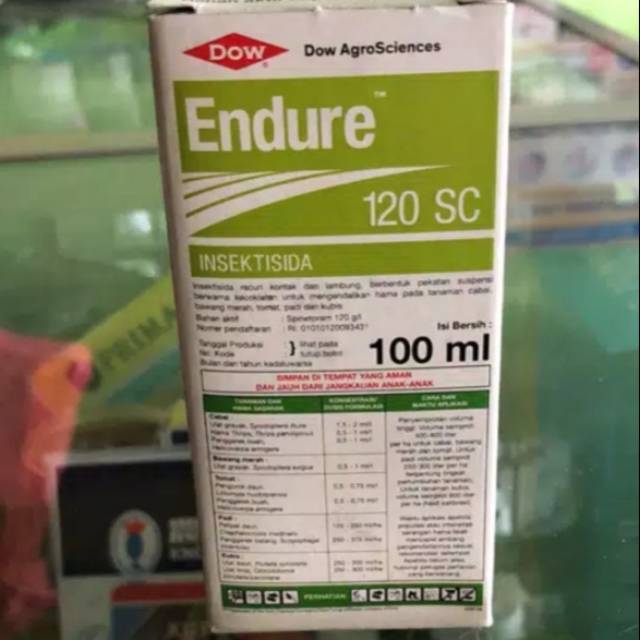
Gardeners and commercial growers alike are always on the lookout for a reliable product to keep their crops thriving. One name that pops up often is Endure insecticide, a synthetic pyrethroid praised for its fast knock‑down effect. But before you spray, it helps to know exactly which insects the formula is designed to target. This guide walks you through the target pests of Endure insecticide, the chemistry behind it, and practical tips for getting the most out of every application.
Understanding Endure: What Makes It Effective?
Endure’s active ingredient is lambda‑cyhalothrin, a member of the pyrethroid family that mimics the natural insecticidal compounds found in chrysanthemum flowers. The chemical binds to nerve cells, causing rapid paralysis and death in susceptible insects while breaking down relatively quickly in the environment. Because of its systemic action, Endure can be applied as a foliar spray, soil drench, or seed treatment, offering flexibility across a range of crops.
Target Pests of Endure Insecticide
While the label covers a broad spectrum, Endure is especially potent against the following groups:
- Aphids – Green peach, cotton‑melon, and black‑bean aphids are among the most common culprits on vegetables and ornamentals.
- Whiteflies – Both the greenhouse‑whitefly (Trialeurodes vaporariorum) and the silverleaf whitefly (Bemisia tabaci) succumb quickly to a proper dose.
- Spider Mites – Two‑spotted, red, and citrus spider mites are effectively knocked down, though repeated applications may be needed for severe infestations.
- Thrips – Western flower thrips and onion thrips are vulnerable, especially when the insecticide is applied during early growth stages.
- Caterpillars – The cabbage looper, armyworms, and cutworms are among the lepidopteran larvae that Endure can suppress.
- Leafminers – Both beet and dipteran leafminers are disrupted before they can complete their feeding tunnels.
These pests share a common susceptibility to pyrethroids, meaning they absorb the chemical through their cuticle and suffer rapid nervous system disruption. However, a few notorious exceptions exist; for example, some strains of the green peach aphid have developed partial resistance, so integrating other control tactics is advisable.
How to Apply Endure for Maximum Impact
Proper timing and coverage are as important as the product itself. Follow these steps to improve efficacy:
- Pre‑emptive timing – Apply when pests are in the early‑instar stage; younger insects lack a hardened exoskeleton and absorb the insecticide more readily.
- Coverage – Ensure thorough wetting of both leaf surfaces and undersides where many pests hide.
- Dilution rate – Stick to the label’s recommended concentration. Over‑diluting reduces control, while over‑concentration can harm beneficial insects.
- Environmental conditions – Spray during calm weather, ideally early morning or late afternoon, to minimize drift and protect pollinators.
- Rotation – Alternate Endure with a different mode of action (e.g., a neem‑based product) every 7–10 days to delay resistance buildup.
Safety and Environmental Considerations
Although lambda‑cyhalothrin breaks down within a few days under sunlight, it remains toxic to aquatic life and many beneficial insects, especially bees. Wear gloves, goggles, and a respirator when mixing. Keep the spray away from flowering parts when pollinators are active, and consider applying a buffer zone near water bodies. For indoor greenhouse use, proper ventilation is essential.
Integrating Endure into an IPM Program
Integrated Pest Management (IPM) is all about using the right tool at the right time, combined with cultural and biological strategies. Here’s a quick checklist for weaving Endure into a broader plan:
- Monitor pest populations with sticky traps or leaf inspections.
- Introduce or conserve natural enemies such as lady beetles, predatory mites, and parasitic wasps.
- Employ cultural controls—crop rotation, resistant varieties, and proper spacing—to reduce pest pressure.
- Reserve Endure for thresholds that exceed economic injury levels, rather than using it prophylactically.
Frequently Asked Questions
Can Endure be used on organic farms?
No. Endure’s synthetic pyrethroid active ingredient is not permitted under most organic certification standards.
How long does the residual effect last?
Under sunny, dry conditions, the residual activity typically fades within 5‑7 days, though it may persist a bit longer on dense foliage.
Is Endure safe for edible crops?
When applied according to label instructions, the pre‑harvest interval is usually 3‑5 days, ensuring residue levels remain well below legal limits.
What should I do if I see beneficial insects dying after application?
Immediately halt further spraying, assess wind conditions, and consider adjusting timing to avoid peak pollinator activity. Incorporating a refuge area can also help preserve beneficial populations.