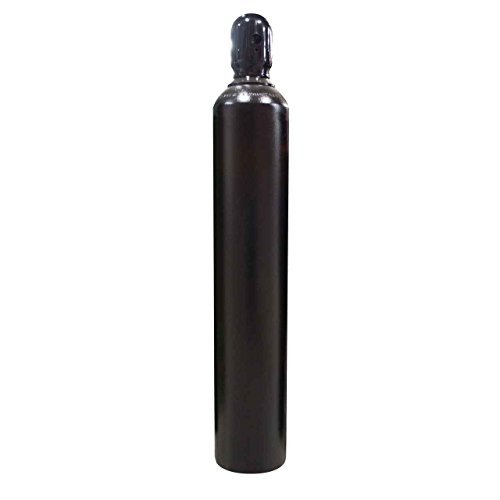
Where to Find 75/25 Welding Gas Refills Near You
When you type “75/25 welding gas refill near me” into a search bar, you’re looking for a specific blend of argon and carbon dioxide that keeps your MIG welder humming. That mixture—75% argon, 25% CO₂—is a go‑to for many fabricators because it balances arc stability with good penetration. But the real challenge isn’t understanding the chemistry; it’s locating a reliable supplier without driving hours away. Below, we unpack what the gas does, where to hunt for it locally, and how to make sure the refill you get is safe and cost‑effective.
What Is 75/25 Welding Gas and Why It Matters
The 75/25 blend is a classic MIG (GMAW) shielding gas. Argon, the dominant component, smooths the arc and reduces spatter, while the 25% CO₂ adds a little extra heat, improving weld pool fluidity and penetration on mild steel. This combination is especially popular for thin‑to‑medium‑thickness sheets where you want a clean bead without sacrificing strength. Because it sits between pure argon (which can be too gentle) and 100% CO₂ (which can be harsh), many shops settle on 75/25 as a versatile default.
Typical Applications of the 75/25 Blend
- Sheet‑metal fabrication for automotive and appliance frames.
- General‑purpose welding of low‑carbon steels.
- Projects that require a balance of low spatter and decent penetration.
- Repair work where you need a tidy finish but don’t want to switch gases for every joint.
In short, if you’re not welding exotic alloys or thick structural members, the 75/25 mix often hits the sweet spot.
Finding a 75/25 Welding Gas Refill Near Me
Locating a nearby refill isn’t as mystifying as it sounds. Start with three reliable avenues:
- Local welding supply houses. Most towns with an industrial corridor have at least one shop that stocks standard gas cylinders. A quick phone call and you’ll know if they carry the 75/25 blend.
- Big‑box retailers. Chains like Home Depot, Lowe’s, or Canadian Tire usually keep a small inventory of MIG gases. Their websites let you filter by “75/25” and often show stock levels for the nearest outlet.
- Mobile gas distributors. Some companies deliver cylinders straight to your shop. They often list the available mixes on their site; just type your zip code to see coverage.
Don’t forget to check online marketplaces that specialize in welding consumables—many of them partner with local distributors, meaning you can order a refill and have it shipped to a nearby address within a day.
What to Check Before Buying a Refill
A refill is only as good as the cylinder it goes into. Keep an eye on these details:
- Cylinder certification. Look for the DOT stamp and a current hydrostatic test date (typically every five years).
- Purity guarantee. Reputable suppliers will provide a certificate of analysis confirming the 75/25 ratio.
- Valve condition. A worn or corroded valve can cause leaks—inspect it visually and give it a quick hand‑tight test before accepting the refill.
- Price per cubic foot. Prices fluctuate with market demand; compare a few sources to avoid overpaying.
Ask the supplier about their refill process. Some shops purge the cylinder with fresh gas to eliminate moisture, which is a good sign they care about quality.
Tips for Storing and Using 75/25 Gas Safely
Even the best gas can become a hazard if mishandled. Follow these simple practices:
- Store cylinders upright, secured with a chain or rack, away from direct sunlight and heat sources.
- Keep the valve closed when the cylinder is not in use; a small leak can go unnoticed until the pressure drops.
- Use a regulator rated for the 75/25 blend—some low‑flow regulators designed for pure argon may not deliver the correct flow for a mixed gas.
- Vent the work area well. While the blend is non‑toxic, CO₂ can displace oxygen in confined spaces.
These habits not only protect you and your coworkers but also preserve the gas’s performance, giving you consistent welds every time.
When to Call a Professional for Advice
If you’re unsure whether 75/25 is the right choice for a particular project, a quick consult with a welding engineer or a seasoned salesperson can save you headaches later. They can recommend alternative mixes—like 90/10 for thicker material—or suggest adjustments to your machine’s voltage and wire feed speed to get the most out of the blend you already have.
FAQ
Can I use 75/25 gas for welding stainless steel?
Generally, no. Stainless steel typically requires a higher argon content (often 100% argon or an argon/helium mix) to prevent oxidation. Using 75/25 may result in a dull, discolored weld.
Do I need a special cylinder for 75/25 welding gas?
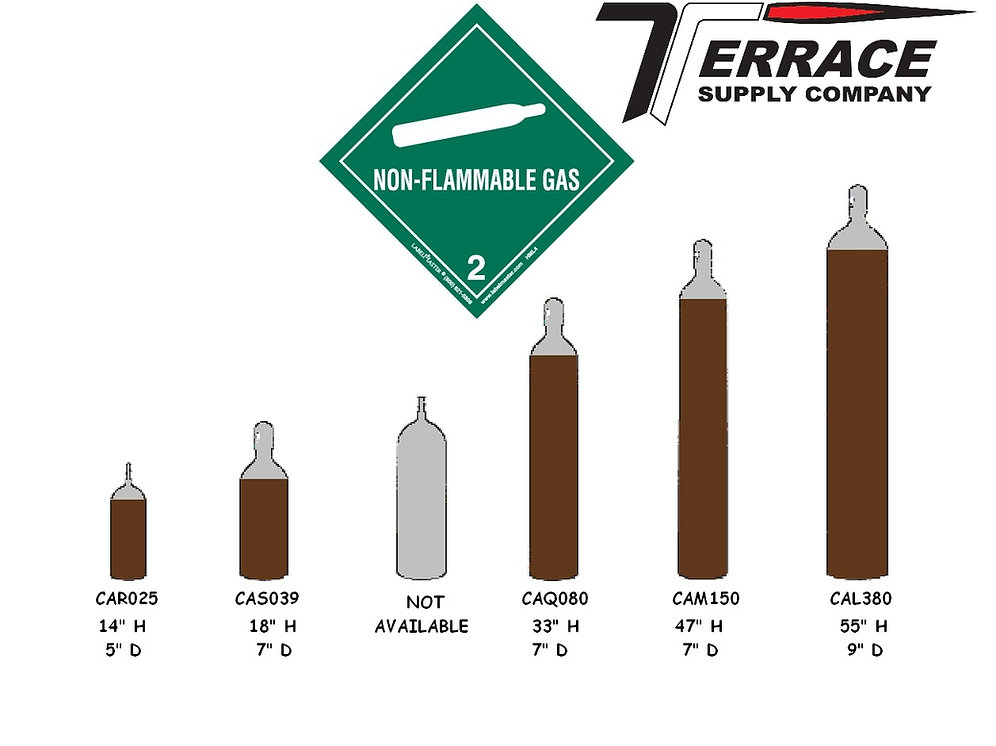
No special cylinder is required; standard steel or aluminum MIG cylinders work fine. Just ensure the valve is compatible with the regulator you plan to use.
Is 75/25 more expensive than pure argon?
It can be slightly pricier because you’re buying a blend, but the cost difference is usually modest. The real value comes from the reduced need to switch gases for different thicknesses.
How often should I have my gas cylinder inspected?
By law, a hydrostatic test is needed every five years. However, if you notice a pressure drop or suspect a leak, have the cylinder inspected immediately, regardless of its test date.