What You Need to Know About Power Slap Injuries and Risks
Power slap, the televised competition where two participants exchange forceful open‑hand strikes, has surged in popularity despite its controversial nature. While the spectacle draws viewers hungry for adrenaline, the underlying physical dangers are often downplayed. Understanding the risks and injuries associated with power slap helps fans, athletes, and anyone curious about the sport to see beyond the hype and consider the real health implications.
Understanding the Risks of Power Slap
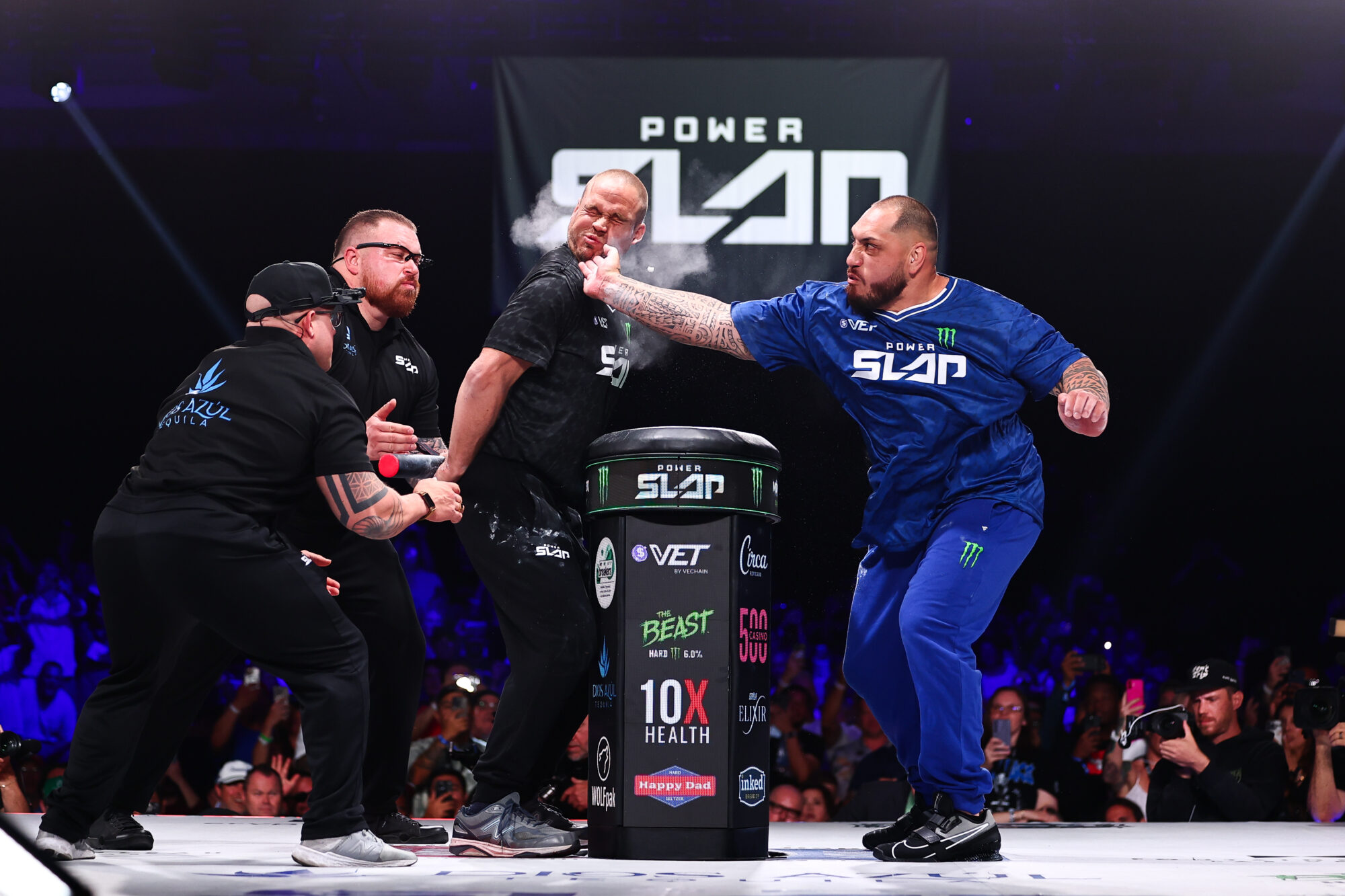
The core premise—delivering the hardest slap possible—means participants subject their heads, faces, and upper bodies to sudden, high‑velocity impacts. Even a single well‑placed strike can generate forces comparable to those in professional boxing, but without gloves or protective gear. This exposure raises the likelihood of acute injuries such as concussions, facial fractures, and soft‑tissue damage. Moreover, repeated blows increase the chance of chronic issues like post‑concussion syndrome or early‑onset joint degeneration.
Common Injuries Reported in the Ring
Although official medical data on power slap is limited, anecdotal reports and the few available medical examinations point to several recurring injury patterns:
- Concussion and mild traumatic brain injury. The rapid acceleration–deceleration of the brain can cause temporary loss of consciousness or lingering headaches.
- Facial bone fractures. The nasal bridge, cheekbones, and orbital rims are particularly vulnerable to the blunt force of a slap.
- Dental trauma. Teeth can be dislodged, chipped, or knocked loose, often requiring emergency dental care.
- Hand and wrist injuries. The slapper’s hand absorbs impact, leading to sprains, fractures, or soft‑tissue bruising.
- Neck and spinal strain. The sudden jolt can torque the cervical spine, causing muscle strains or, in severe cases, disc irritation.
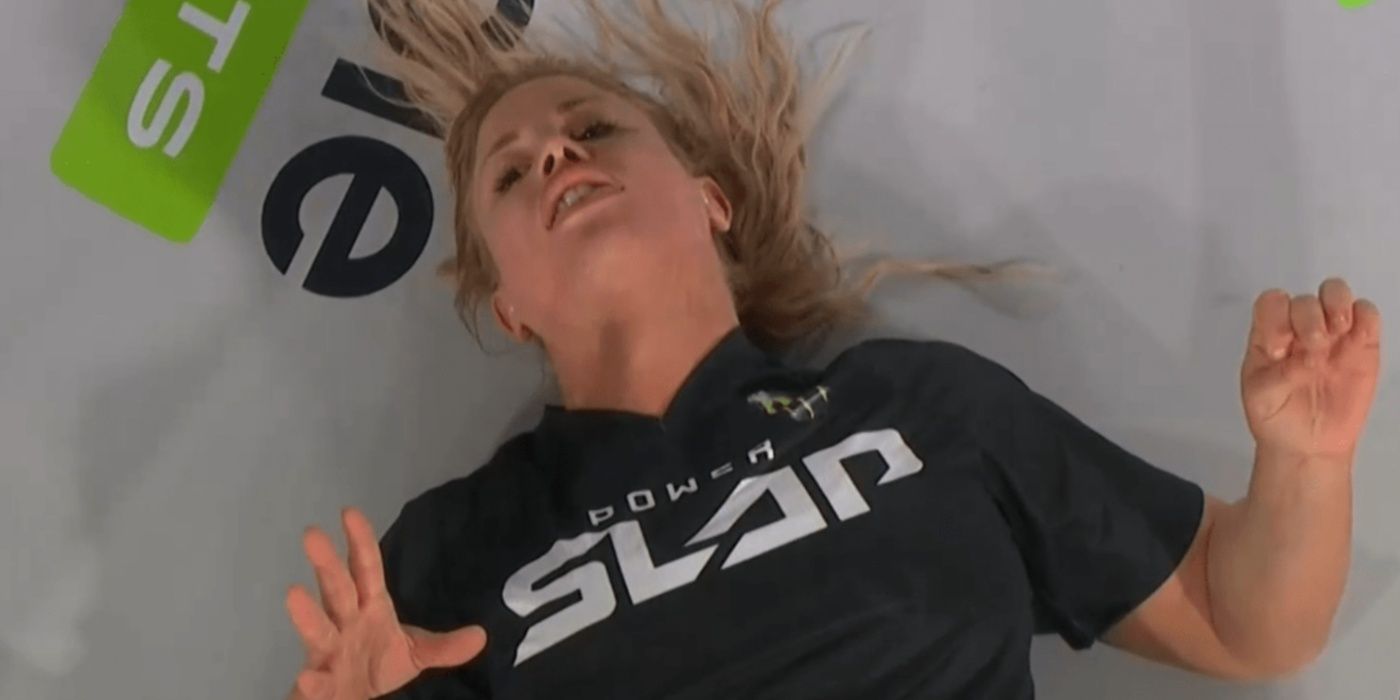
These injuries are not merely theoretical; several participants have shared video footage of bloodied faces and swollen jaws after a single bout, underscoring how quickly damage can accumulate.
Why Protective Measures Are Hard to Implement
Traditional combat sports rely on gloves, helmets, or mouthguards to mitigate impact. In power slap, the rules explicitly forbid most protective equipment to preserve the “pure” slap aesthetic. This design choice intensifies the risk profile. Some organizers have experimented with padded gloves for training, but the competition phase remains largely unprotected. The absence of safety gear also complicates medical oversight, as officials must decide whether a participant should continue after a visible injury.
Long‑Term Health Concerns
Even if a competitor walks away from a single match without obvious injury, the cumulative effect of repeated high‑impact blows can be insidious. Research on repeated mild head trauma in other sports suggests a possible link to chronic traumatic encephalopathy (CTE), a progressive brain condition that manifests years later with memory loss, mood changes, and motor impairment. While no longitudinal study specifically follows power slap athletes yet, the parallels to boxing and mixed martial arts raise reasonable concerns.
Legal and Regulatory Landscape
Power slap currently occupies a gray area in many jurisdictions. Some regions classify it as a combat sport, subjecting events to athletic commission oversight, while others treat it as a performance spectacle with fewer safety requirements. This inconsistency can affect how quickly medical personnel are dispatched, what injury documentation is required, and whether participants must sign waivers acknowledging the high risk of serious harm.
Training Strategies to Reduce Injury Risk
Athletes who choose to compete often adopt specific preparation methods aimed at protecting vulnerable areas:
- Strengthening neck muscles to better absorb shock.
- Practicing controlled slaps with padded targets to develop technique without full force.
- Regular dental check‑ups and using custom mouthguards during training.
- Engaging in balance and proprioception drills to improve reaction time and avoid unintended head movement.
While these measures cannot eliminate the inherent dangers, they can lower the probability of severe injury and improve overall resilience.
What Fans Can Do to Promote Safer Competition
Audience expectations play a subtle but powerful role in shaping the sport’s safety culture. Viewers can encourage promoters to adopt stricter medical protocols, such as mandatory baseline concussion testing and on‑site neurologists. Social media discussions that highlight the human cost of a single strike also help shift the narrative from pure entertainment to responsible sport. By demanding transparency about injuries and supporting athletes who prioritize health over spectacle, fans become part of a broader safety ecosystem.
Frequently Asked Questions
Is power slap considered a safe sport for beginners?
Generally, no. Even novices are exposed to forces that can cause concussions or facial injuries, and the lack of protective gear amplifies those risks.
How does the injury rate in power slap compare to boxing?
Direct statistical comparisons are scarce, but the absence of gloves and headgear suggests a higher likelihood of superficial facial trauma in power slap, while both sports share similar risks for brain injury.
Can participants legally sue organizers after an injury?
In many cases, athletes sign waivers acknowledging the sport’s risks, which can limit liability. However, if negligence—such as inadequate medical staffing—is proven, legal action remains possible.
What immediate steps should be taken if a competitor shows signs of concussion?
The athlete should be removed from the ring, evaluated by a qualified medical professional, and kept under observation for at least 24 hours before any return to activity.