What to Know Before Installing a Ceiling Concealed Air Conditioner
When you walk into a room and feel a gentle, evenly distributed breeze without a bulky unit hanging from the wall, you’ve probably encountered a ceiling concealed air conditioner. This sleek system hides the compressor and evaporator behind a ceiling grille, giving you climate control that blends into the architecture. If you’re considering the upgrade, there are several practical aspects—performance, installation, upkeep, and cost—that deserve a closer look before you make the investment.
How a Ceiling Concealed Air Conditioner Works
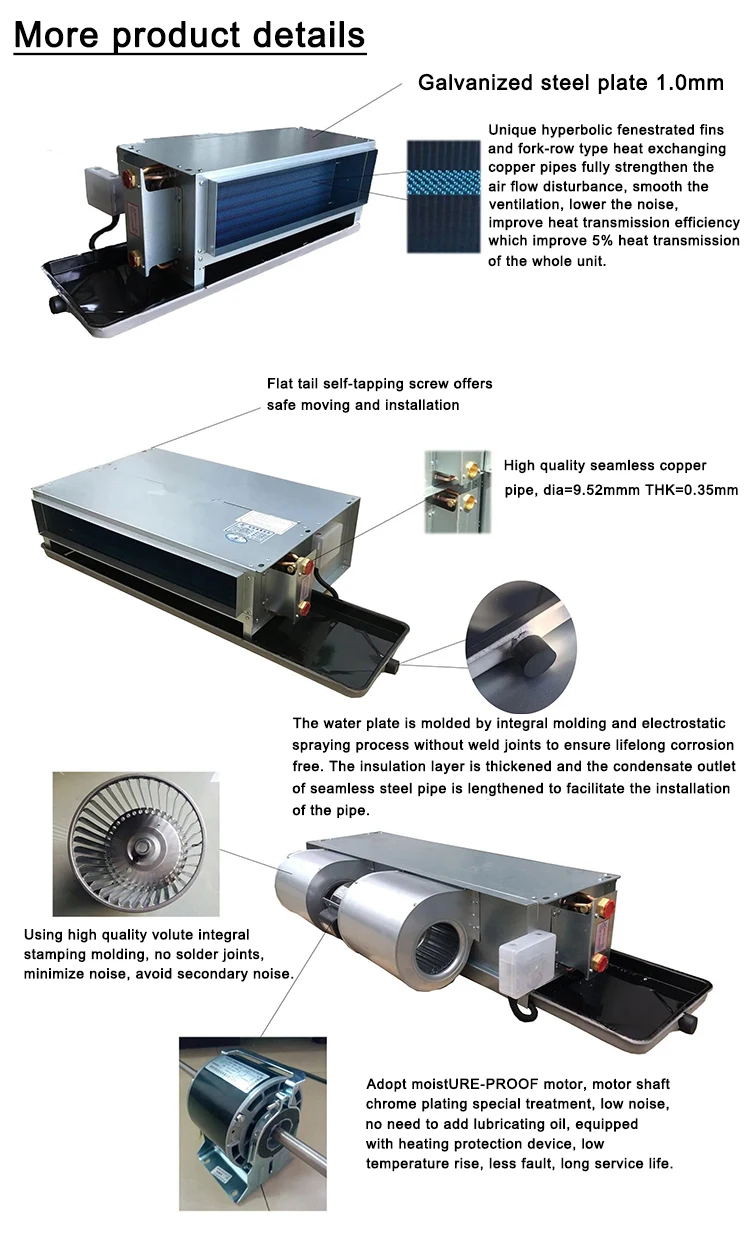
A ceiling concealed unit consists of three main parts: the indoor cassette, the outdoor condenser, and the refrigerant piping that links them. The indoor cassette is recessed into a drop ceiling or a specially designed plenum, with slatted vents that push conditioned air into the space below. Because the heat‑exchange coil sits above the ceiling, the system can draw warm air from the room, cool it, and return it without visible ducts.
Unlike traditional split‑type systems, the indoor component doesn’t need a wall mount, which frees up interior space and reduces visual clutter. The outdoor unit functions just like any other split system, handling the compression and heat rejection duties.
Key Benefits of Going Ceiling Concealed
- Space‑saving design—No wall‑mounted units means more usable wall area for furniture or décor.
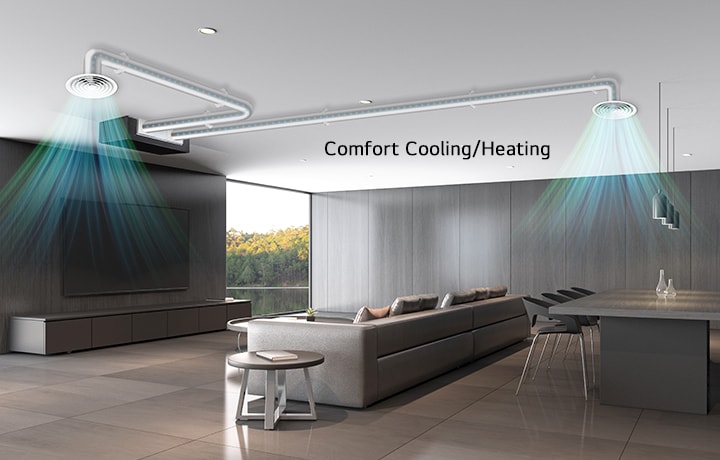
- Even temperature distribution—Air is released from multiple slats, minimizing hot spots.
- Quiet operation—The indoor cassette is insulated within the ceiling cavity, dampening noise.
- Aesthetic appeal—A minimalist grille blends with most modern interiors.
These advantages make ceiling concealed air conditioners especially popular in offices, hotels, and upscale residential projects where design matters as much as comfort.
Installation Considerations
Before ordering a unit, check whether your building can accommodate the required ceiling space. Most models need a minimum clearance of 12–15 inches between the ceiling and the floor above to house the cassette and allow airflow.
The structural support must also be able to bear the weight of the indoor component—typically 20–30 kg (44–66 lb). If you’re retrofitting an existing ceiling, reinforcing joists or adding a dedicated plenum may be necessary, which can add to the overall project cost.
Proper ductwork is still essential, even though the system is “concealed.” The return air often travels through a concealed duct or a ceiling-mounted grille that feeds the unit. A qualified HVAC technician should design the airflow path to avoid excessive pressure loss.
Maintenance Made Simple—or Not?
Maintenance for a ceiling concealed air conditioner is similar to any split system, but the hidden location can make access a bit trickier. Most manufacturers recommend cleaning the grille and filters every three months, especially during high‑usage seasons.
Because the indoor unit sits above the ceiling, dust and debris can accumulate in the plenum. Periodic professional inspections—typically once a year—help ensure the evaporator coil stays clean and the refrigerant charge remains optimal.
If the system develops a leak, locating the source may require removing ceiling tiles, which underscores the importance of choosing a reputable installer who can provide clear service pathways.
Cost Factors to Keep in Mind
Ceiling concealed units tend to be pricier than wall‑mounted splits, primarily due to the extra labor involved in ceiling preparation and the specialized hardware. Expect the indoor cassette alone to range from $800 to $1,500, while the outdoor condenser can add another $600–$1,200.
Installation labor can easily double the equipment cost, especially if structural modifications are required. However, the long‑term benefits—higher property value, lower noise levels, and a cleaner aesthetic—often offset the upfront expense for commercial clients and high‑end residential owners.
Choosing the Right Model for Your Space
When selecting a ceiling concealed air conditioner, consider the following criteria:
- Capacity (BTU)—Match the unit’s cooling load to the room’s square footage, ceiling height, and insulation quality. A professional load calculation is the safest route.
- Airflow pattern—Some models offer adjustable louver angles, allowing you to direct airflow toward specific zones.
- Energy efficiency—Look for units with a high SEER rating (Seasonal Energy Efficiency Ratio). Modern systems can exceed a SEER of 20, translating into lower electricity bills.
- Control options—Wireless thermostats, remote controls, or integration with smart‑home platforms add convenience.
Brands such as Daikin, Mitsubishi, and LG dominate the market, each offering a range of capacities and feature sets. Reading user reviews and consulting with an experienced HVAC contractor can help narrow the field.
Potential Drawbacks to Weigh
While the sleek look is appealing, ceiling concealed air conditioners aren’t a universal fit. The need for sufficient ceiling height can be a deal‑breaker in low‑ceiling apartments. Also, the installation timeline is longer than a simple wall‑mount, which may disrupt daily activities.
Finally, because the indoor unit is less visible, leaks or malfunctions might go unnoticed until performance drops noticeably. Regular monitoring of temperature consistency and occasional visual checks of the grille can mitigate this risk.
FAQ
Q: Can a ceiling concealed air conditioner be used in a retrofit project?
A: Yes, but the existing ceiling must provide enough clearance and structural support. In many cases, a small plenum or reinforced joists are added to meet the manufacturer’s specifications.
Q: How noisy is the indoor unit compared to a wall‑mounted split?
A: Typically quieter, because the cassette is insulated within the ceiling cavity. Noise levels often sit around 30–35 dB, which is comparable to a quiet conversation.
Q: Are there any special cleaning tools required?
A: Most manufacturers include a removable grille that can be vacuumed or washed with mild soap. For deeper cleaning, a professional technician will use specialized coil cleaners.
Q: Do these systems work with existing ductwork?
A: They can be integrated with existing duct networks, but the return air path may need adjustments to maintain proper pressure balance.