What to Do When the SCR Warning Light Comes On in a Diesel
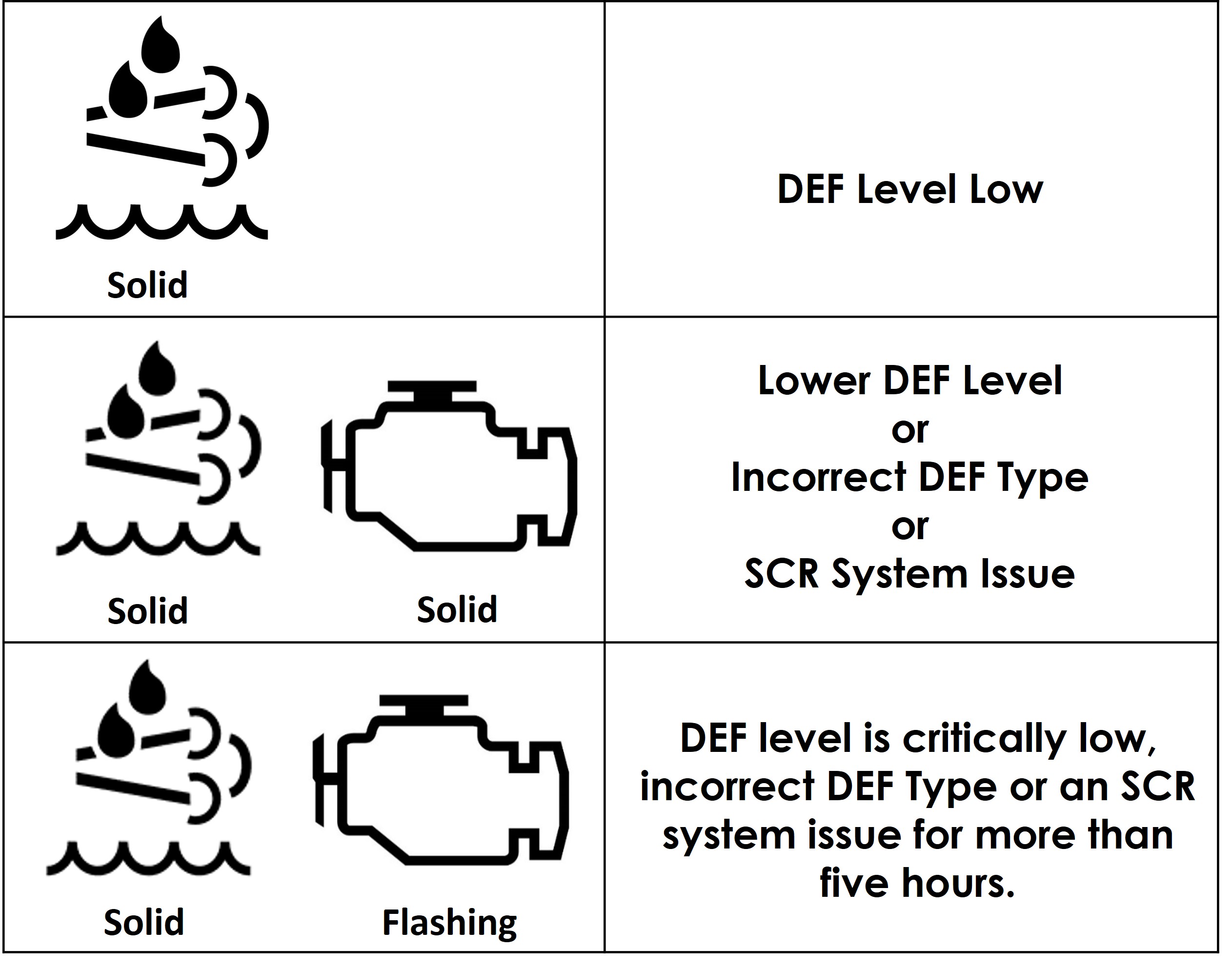
Seeing the SCR warning light flicker on your dashboard can feel like a punch in the gut, especially if you rely on your diesel for work or long trips. The signal means the vehicle’s selective catalytic reduction system isn’t performing as expected, which can affect emissions and, in some cases, engine performance. Before you panic, take a breath and run through a systematic check—most issues are fixable without a tow.
Understanding the SCR System and Why the Light Comes On
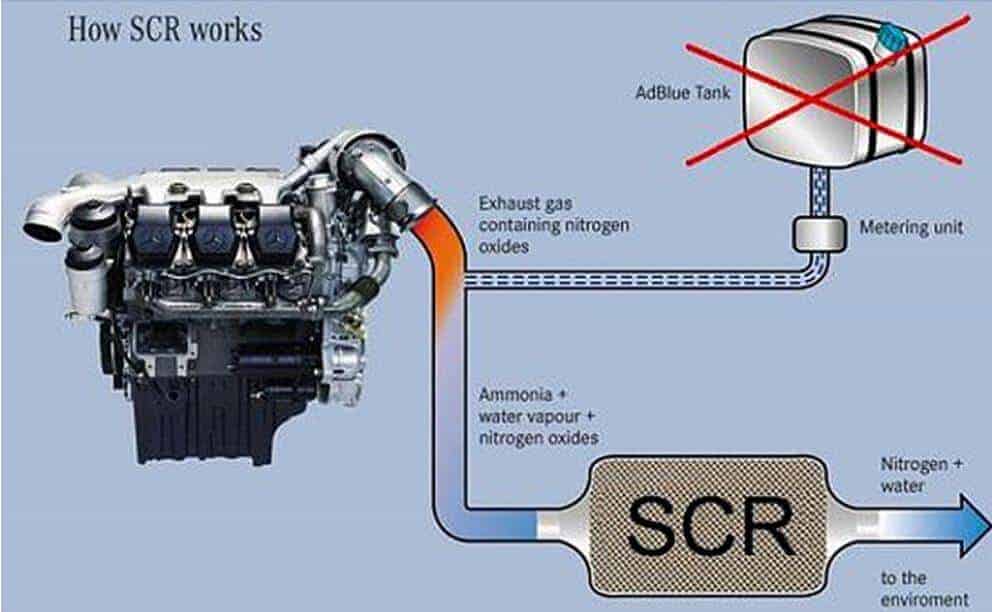
The SCR (Selective Catalytic Reduction) system reduces nitrogen oxides (NOx) by injecting a urea‑based fluid, commonly called AdBlue, into the exhaust stream. When the system detects low fluid levels, a clogged catalyst, or sensor anomalies, the control module triggers the warning lamp. It’s essentially the vehicle’s way of saying, “something’s off with my emissions cleanup.”
Quick Visual Checks You Can Do Right Away
- Verify the AdBlue tank isn’t empty. Even a few centimeters short can cause a warning.
- Inspect the tank cap for cracks or a loose seal; a leak can let air in and confuse the sensor.
- Look for any obvious exhaust leaks, especially around the SCR catalyst housing.
- Check for loose or corroded electrical connectors near the NOx sensor.
If any of these items stand out, address them first. Refilling the AdBlue tank with the correct type of fluid often clears the light after a short drive.
When the Light Persists: Deeper Diagnostics
Should the warning stay illuminated after you’ve topped off AdBlue, it’s time to dig a little deeper. Modern diesel engines store fault codes in the ECU, and a quick scan with an OBD‑II reader can pinpoint the culprit. Common codes related to SCR include:
- P20A8 – Low AdBlue level detected.
- P20B0 – NOx sensor signal out of range.
- P20B1 – SCR catalyst efficiency low.
Knowing the code narrows the repair path dramatically, saving both time and money.
Typical Faults and How to Address Them
1. Faulty NOx Sensor
The NOx sensor monitors exhaust composition and feeds data to the SCR controller. Over time, soot buildup or sensor degradation can cause erratic readings. Cleaning the sensor with a specialized solvent sometimes works, but replacement is often the safer bet.
2. Clogged SCR Catalyst
A catalyst can become fouled by sulfur or unburned particulates, especially if low‑quality fuel is used. Professional cleaning services use high‑pressure steam, but many mechanics recommend a catalyst replacement once efficiency drops below 70%.
3. Pump or Injector Issues
The AdBlue injector must spray a precise amount into the exhaust. A clogged nozzle or a failing pump will trigger the warning. Inspecting the injector’s spray pattern and checking pump voltage are standard steps for a technician.
Do-It-Yourself vs. Professional Service
If you’re comfortable with basic automotive tools, refilling AdBlue, tightening connectors, and even swapping a cheap NOx sensor can be DIY tasks. However, dealing with the catalyst or high‑pressure injector usually demands specialized equipment and training. When in doubt, a visit to a dealer or a shop familiar with diesel emissions will prevent accidental damage.
Preventive Measures to Keep the SCR Light at Bay
Regular maintenance goes a long way. Keep the AdBlue tank filled according to the manufacturer’s schedule—most vehicles give a 2,000‑km buffer after the first warning. Use high‑quality diesel that meets the required sulfur limits, and schedule periodic exhaust system inspections during routine service intervals. A little foresight can spare you the annoyance of a blinking light and the cost of a premature catalyst replacement.
FAQ
Q: Can I keep driving with the SCR warning light on?
A: Short trips are usually safe, but prolonged driving may trigger reduced engine power or increased emissions. If the light stays on after refilling AdBlue, have the system checked promptly.
Q: Does a faulty SCR system affect fuel economy?
A: Indirectly, yes. The engine may run richer to compensate for higher NOx levels, which can shave a few percent off mileage.
Q: Is AdBlue the same as diesel exhaust fluid (DEF)?
A: They are essentially the same—a 32.5% urea solution—but DEF is the term commonly used in North America, while AdBlue is the European branding.