What Reverse Auctions Mean in Tendering and How They Work
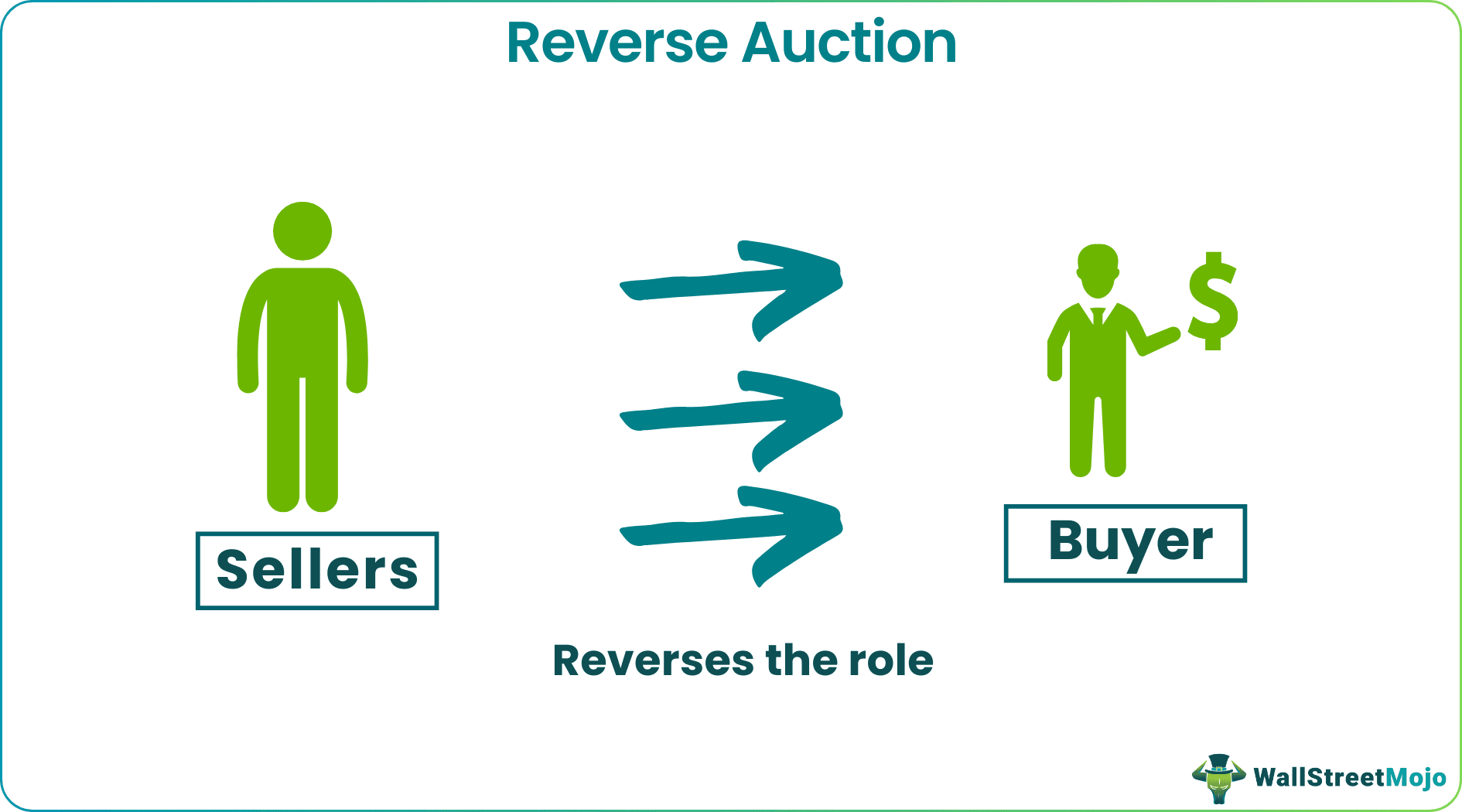
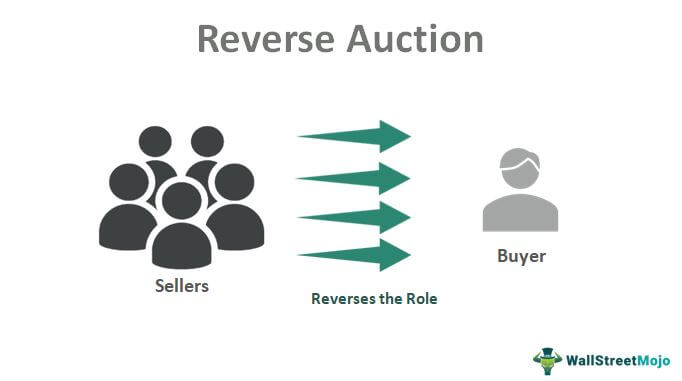
When a public agency or a large corporation needs to procure goods or services, the traditional approach is a straightforward bid: suppliers submit their price and the buyer picks the lowest—or the best‑valued—offer. A reverse auction flips that script. Instead of sellers competing to sell, they compete to buy the contract by continually lowering their price until the auction closes. The result can be a more transparent, cost‑effective tender process, but the mechanics and strategic implications deserve a closer look.
How a Reverse Auction Works in Tendering
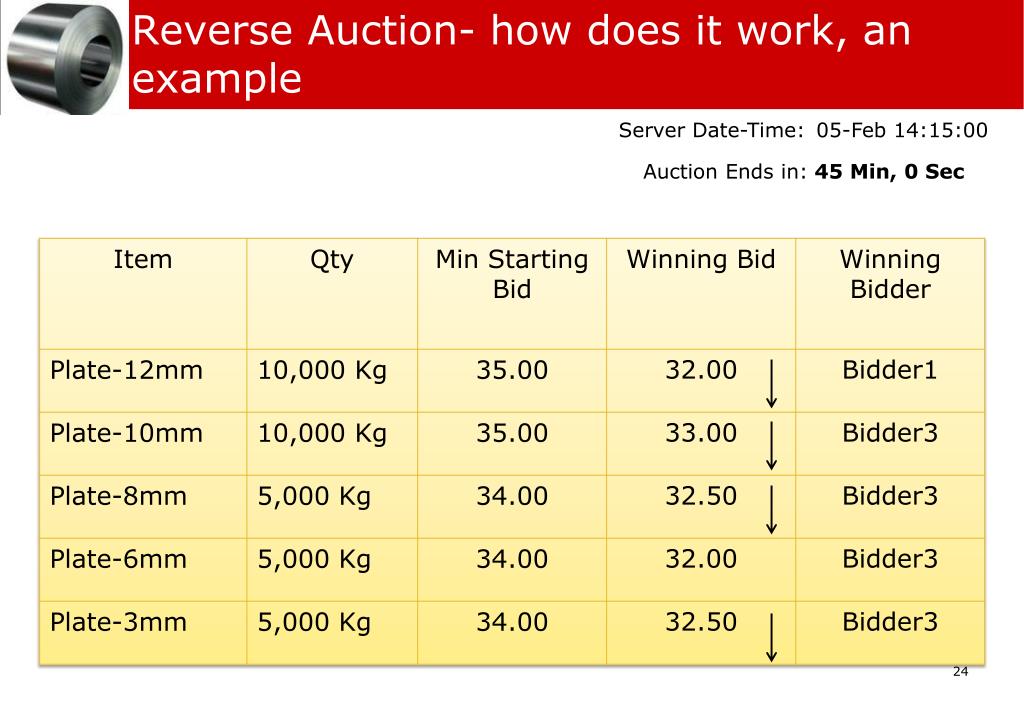
In a reverse auction, the buyer posts the specifications of what they need—say, office furniture, IT equipment, or construction services—along with a deadline for the auction. Interested suppliers then log into a secure platform where they see the current lowest bid and can submit a new, lower one in real time. The auction typically runs for a set period, often 30 to 60 minutes, and may include “extensions” if a new lower bid appears near the end, ensuring everyone gets a fair chance to respond.
- Step 1: Preparation. The buyer defines clear, measurable criteria (quantity, quality standards, delivery timelines) and decides whether price will be the sole factor or if other elements (e.g., sustainability, warranty) will carry weight.
- Step 2: Invitation. Qualified suppliers receive an invitation to join the auction, often after a pre‑qualification stage that screens out those lacking required certifications.
- Step 3: Live Bidding. Once the auction starts, each participant can see the current lowest offer and submit a reduced price. Some platforms allow “automatic bidding” where a supplier sets a floor price and the system undercuts competitors until that limit is reached.
- Step 4: Closure and Award. When time runs out, the platform declares the lowest compliant bid the winner, subject to any post‑auction verification (e.g., financial solvency, compliance checks).
This real‑time price competition can drive savings that traditional sealed‑bid tenders often miss, because suppliers see exactly how far they need to go to stay in the race.
Why Buyers Choose Reverse Auctions for Tenders
Governments and large enterprises adopt reverse auctions for several reasons. First, the transparent format reduces the perception of favoritism; every qualified bidder sees the same information and can react instantly. Second, the time‑compressed nature—often under an hour—cuts administrative overhead, freeing procurement teams from lengthy evaluation cycles. Finally, the data generated (price history, bidding patterns) offers valuable insight for future negotiations and market analysis.
That said, reverse auctions aren’t a universal solution. They work best when the goods or services are fairly standard, easily comparable, and where price truly is the dominant factor. Complex projects that hinge on technical innovation, long‑term support, or nuanced risk assessments may suffer if the auction forces participants to focus solely on cost.
Strategic Tips for Suppliers
If you’re a supplier invited to a reverse auction, a few strategies can keep you competitive without sacrificing margin.
- Know Your Floor. Set a minimum acceptable price before the auction begins. Going below this can jeopardize profitability, especially if the contract includes hidden costs.
- Leverage Non‑Price Benefits. Some platforms let you attach value‑added services—extended warranty, faster delivery, or sustainability certifications—that can influence the buyer’s final decision.
- Watch the Clock. Bidding too early can signal weakness; waiting until the final minutes may allow you to gauge competitors’ limits before making a decisive move.
- Use Data Wisely. Review previous auction results, if available, to estimate typical discount ranges in your industry. Over‑aggressive pricing may trigger a price‑war spiral.
Remember, a reverse auction is as much about psychology as it is about numbers. Demonstrating confidence and reliability can sometimes tip the scale in your favor, even if your final price isn’t the absolute lowest.
Potential Pitfalls and How to Avoid Them
While the upside of reverse auctions is appealing, there are common challenges both buyers and sellers should anticipate.
For buyers: Relying solely on price can mask hidden expenses, such as higher maintenance costs or lower quality that lead to future re‑procurement. Mitigate this by embedding clear technical specifications and, if possible, a weighted scoring system that awards points for compliance, delivery speed, or green credentials.
For sellers: The pressure to undercut competitors can erode profit margins, especially if you’re the only provider capable of meeting a niche requirement. In such cases, consider opting out of the reverse auction and instead submitting a traditional sealed bid where you can justify a higher price based on specialized expertise.
When to Choose a Reverse Auction Over Traditional Tendering
A reverse auction shines in scenarios where the procurement is:
- Commodity‑driven (e.g., office supplies, standard software licenses).
- Time‑sensitive, requiring rapid award decisions.
- Supported by a competitive supplier base with similar capabilities.
If the project involves high technical risk, bespoke engineering, or long‑term partnership considerations, a conventional tender—perhaps with a two‑stage evaluation (technical then financial)—often yields a better outcome.
Frequently Asked Questions
What is the main difference between a reverse auction and a traditional auction?
In a traditional auction, buyers bid up the price to acquire an item. In a reverse auction, sellers bid down the price to win a contract, turning the price‑competition dynamic on its head.
Can a reverse auction be used for services, or is it limited to goods?
Both are possible, but services with clear, measurable deliverables (like cleaning contracts or routine maintenance) fit best. Highly customized consulting or design services usually require more nuanced evaluation than price alone can provide.
How does a buyer ensure quality isn’t sacrificed for a low price?
By setting strict technical specifications and, where appropriate, incorporating a weighted scoring system that awards points for quality, compliance, and added value, the buyer can balance cost with performance.
Do suppliers need special software to participate?
Most reverse auctions are hosted on cloud‑based procurement platforms that provide a web interface. Suppliers typically only need a stable internet connection and an account set up in advance.