What Klarna Financing Really Means for Your Credit Score
Klarna has turned “buy now, pay later” into a mainstream shopping option, but the convenience comes with a credit‑related side effect most users overlook. When you select Klarna financing at checkout, you’re essentially borrowing money from a fintech that reports your repayment behavior to the same bureaus that track credit cards and loans. Understanding that reporting flow—and how it can boost or dent your score—helps you decide whether to swipe that “pay later” button.
How Klarna Financing Works Behind the Scenes
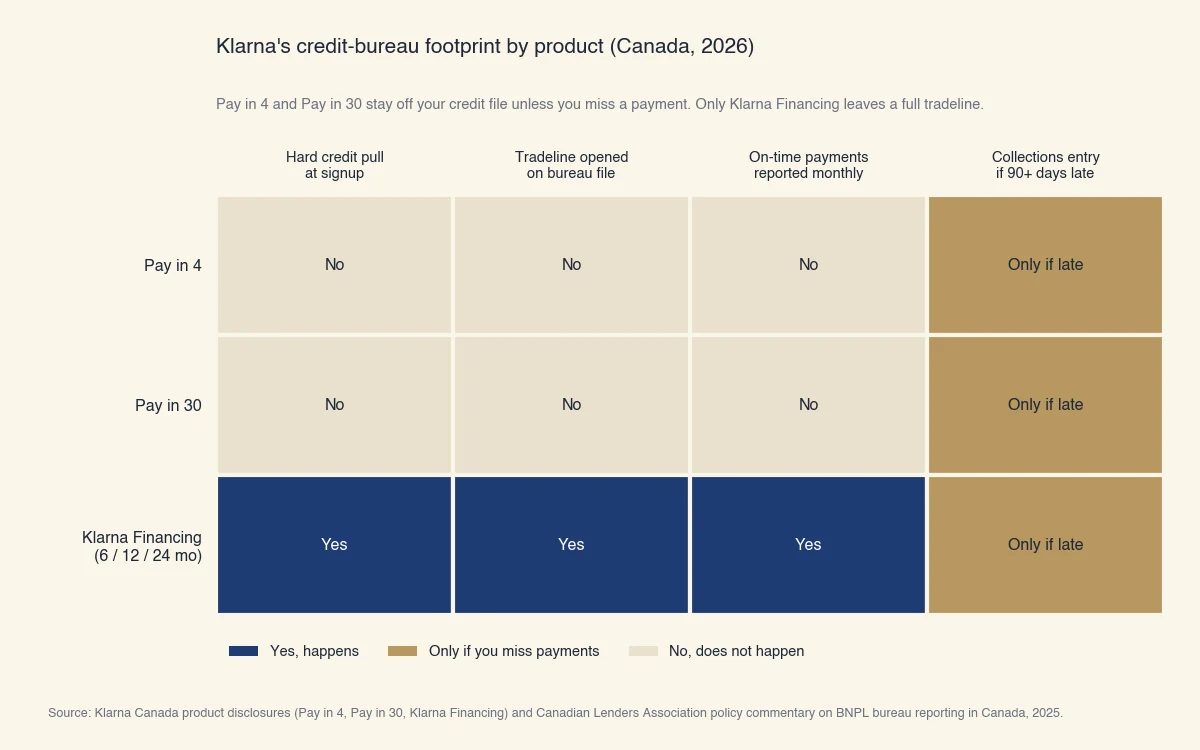
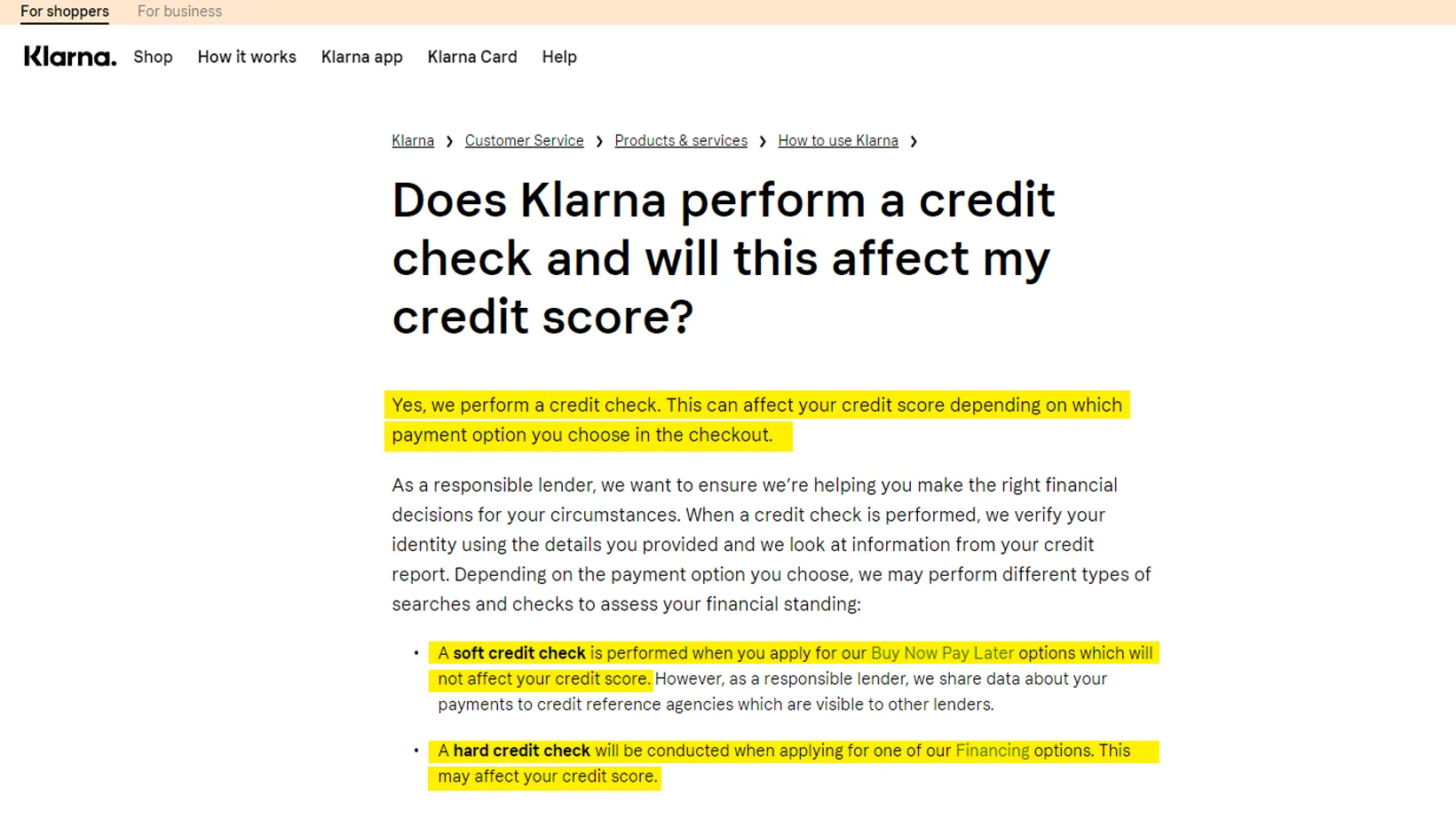
Klarna offers a few different pay‑later products: short‑term installments (often 30 days), split‑payments over three or four months, and longer‑term financing that can stretch up to 36 months. The short‑term options usually involve a soft credit pull, meaning the inquiry doesn’t appear on your public credit report. Longer financing, however, often triggers a hard inquiry—an official check that can shave a few points off your score.
Once you’re approved, Klarna essentially becomes a lender for that specific purchase. You receive a repayment schedule, and Klarna expects you to meet each deadline. Miss a payment, and the missed amount may be sent to a collection agency, which can seriously harm your credit.
What the Credit Bureaus See
For most U.S. consumers, the three major credit bureaus—Equifax, Experian, and TransUnion—receive data from Klarna about your account status. They log the original loan amount, the repayment terms, and whether you’re current or delinquent. That information sits alongside your credit cards, mortgages, and student loans, influencing both the “payment history” and “credit mix” components of your FICO score.
If you consistently pay on time, Klarna financing can actually improve your credit mix, a factor that accounts for about 10 % of the overall score. A diverse credit portfolio (credit cards, installment loans, and a financing line like Klarna) signals responsible borrowing to lenders.
Immediate Impact: Soft vs. Hard Pulls
When you apply for a short‑term Klarna plan, the company typically runs a soft pull. That type of inquiry is invisible to lenders and doesn’t affect your score at all. It’s similar to checking your own credit report—useful for assessment, but not a penalty.
Longer‑term financing, especially for larger purchases, may require a hard pull. A hard inquiry can lower your score by roughly 5‑10 points, though the effect is usually short‑lived. The bigger concern is the ongoing account activity: each on‑time payment can help, while any missed or late payment can cause a more noticeable dip.
Long‑Term Effects: Payment History and Utilization
Payment history remains the most influential factor in most credit scoring models, accounting for about 35 % of the total. As long as you make each Klarna installment before the due date, you’re adding a clean line of credit to your report. Over time, that can nudge your score upward, especially if you have a limited credit history.
Utilization, on the other hand, applies mostly to revolving credit like credit cards. Klarna’s installment loans are treated as “installment credit,” so they don’t factor into utilization ratios. That means a Klarna loan won’t inflate your credit utilization percentage, which can be a relief for those juggling high credit‑card balances.
Managing Klarna Financing Responsibly
- Know the type of pull. Before you click “pay later,” check whether the product will trigger a hard or soft inquiry. Klarna usually discloses this during the checkout flow.
- Set reminders. Even though most plans are automated, a missed deadline can quickly turn a small slip into a major credit blemish.
- Pay more than the minimum when possible. Reducing the principal faster can lower the total interest you owe and demonstrates strong repayment behavior to lenders.
- Monitor your credit. Use a free credit‑monitoring service to see how Klarna accounts appear on your report and catch errors early.
When Klarna Might Not Be Worth It
If you’re already juggling multiple credit cards, adding another financing line could complicate your budget. The convenience of “buy now, pay later” sometimes masks the true cost: late fees, interest on longer terms, and the psychological temptation to spend beyond your means. In those cases, the short‑term credit boost may not outweigh the risk of missed payments.
Additionally, if you’re planning a major loan—like a mortgage or auto loan—within the next six months, you might want to avoid new hard inquiries. Each hard pull can slightly reduce the score you present to lenders, potentially affecting the interest rate you qualify for.
Key Takeaways
Klarna financing isn’t a secret credit‑killer, but it isn’t a free pass either. Soft pulls for short‑term plans keep your score intact, while hard pulls for longer financing can cause a modest dip. Consistent, on‑time payments can actually enrich your credit mix and strengthen your payment history, offering a modest boost over time. The real determinant is how disciplined you are with the repayment schedule.
Frequently Asked Questions
Does a missed Klarna payment affect my credit score?
Yes. If you miss a payment, Klarna may report the delinquency to the credit bureaus, which can lower your score significantly, especially if the account becomes past due for 30 days or more.
Will Klarna report my financing to all three credit bureaus?
Klarna generally reports to the major bureaus, but the exact reporting practices can vary by product and jurisdiction. It’s wise to check your credit report periodically to confirm the account appears as expected.
Can I remove a Klarna account from my credit report?
Only if the information is inaccurate. Legitimate, on‑time payments will stay on your report for up to ten years, contributing to your credit history.
Should I use Klarna if I’m building credit for the first time?
It can help, especially the short‑term, soft‑pull options that add an installment account without a hard inquiry. Pair it with responsible use of a credit card or a small loan to diversify your credit mix.