What Is a Request for Proposal? A Clear RFP Overview
When a company or organization needs a service, product, or solution but wants to open the field to competition, it usually turns to a Request for Proposal, or RFP. The document invites potential vendors to present detailed proposals that answer the issuer’s needs, budget, and evaluation criteria. Understanding how an RFP works is essential for anyone who wants to either issue or respond to one—whether you’re a small business owner, a procurement manager, or a freelancer looking for new opportunities.
What Is a Request for Proposal?
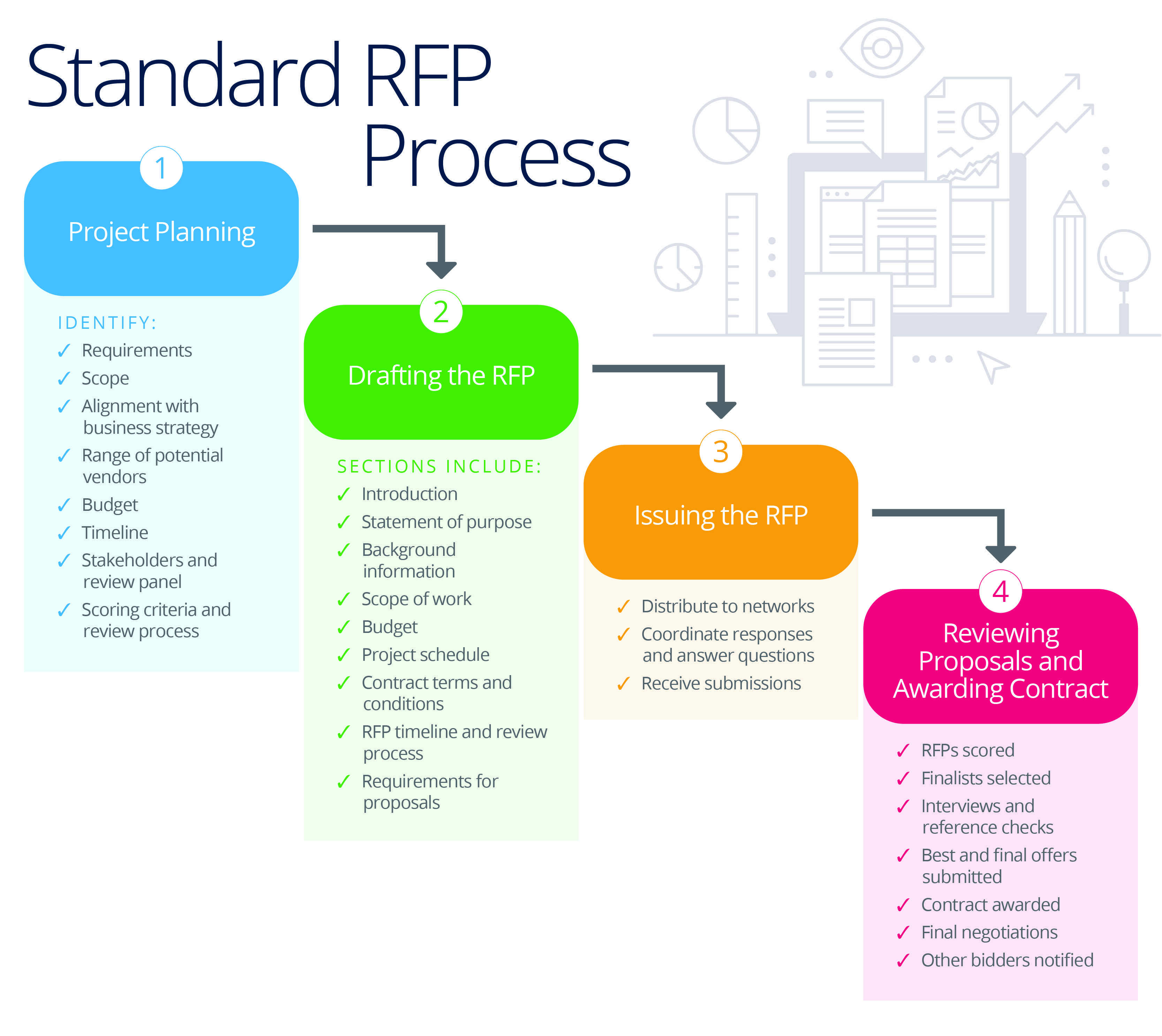
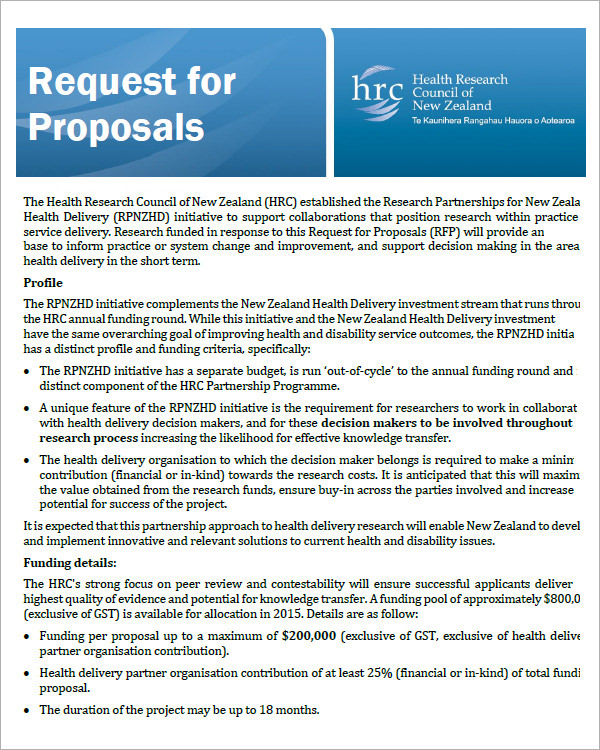
A Request for Proposal is a formal, structured solicitation that outlines a problem or project and invites qualified vendors to submit proposals that explain how they will solve it. Unlike a simple purchase order or an informal request, an RFP provides a level of detail that enables the issuer to compare solutions fairly and transparently. Typically, an RFP covers project scope, timeline, technical requirements, evaluation criteria, and terms and conditions.
Key Elements of an RFP
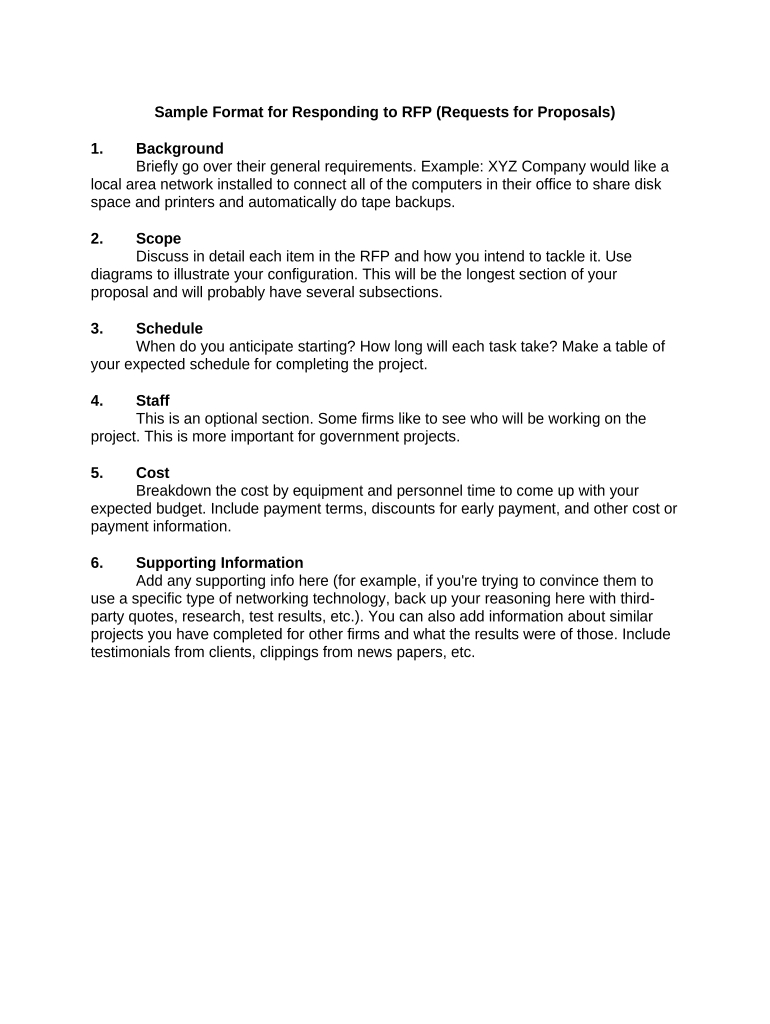
- Executive Summary: A snapshot of the project’s purpose and goals.
- Background and Context: Why the organization is seeking a solution.
- Scope of Work: Tasks, deliverables, and responsibilities.
- Technical & Functional Requirements: Must-have specifications and performance standards.
- Budget & Payment Structure: Cost expectations and invoicing milestones.
- Evaluation Criteria: How proposals will be judged (price, experience, methodology, etc.).
- Submission Guidelines: Deadline, format, and contact details.
- Contractual Terms: Legal obligations and compliance requirements.
When Should You Issue an RFP?
Issuing an RFP is most appropriate when the project is complex, the solution is not readily available off the shelf, or the organization wants to benchmark different approaches. Typical scenarios include software implementation, infrastructure upgrades, consulting services, marketing campaigns, or building a new facility. For smaller, routine purchases, a Request for Quotation (RFQ) or even a direct purchase may suffice.
Benefits of Using an RFP
- Transparency: All vendors receive the same information and evaluation rubric.
- Competitive Pricing: Encourages vendors to propose cost-effective solutions.
- Risk Management: Detailed requirements reduce the chance of scope creep.
- Innovation: Vendors can propose creative ideas that the issuer might not have considered.
- Documentation: A written trail of the procurement process supports audit and compliance.
Preparing an Effective RFP
Crafting a successful RFP starts with a clear understanding of the problem. Collaborate with stakeholders to map out objectives, constraints, and success metrics. Then, translate that knowledge into the RFP’s language—avoid jargon that only your organization understands. The goal is to make the document as user-friendly as possible for external readers.
Best Practices for Writing an RFP
- Be Specific: Vague requests lead to vague proposals.
- Include Decision Timelines: Let vendors plan their responses realistically.
- Define Evaluation Weightings: How much does cost versus quality matter?
- Allow for Clarifications: Offer a Q&A period so vendors can ask for details.
- Maintain Flexibility: If the project scope may evolve, note that possibility.
Responding to an RFP as a Vendor
Receiving an RFP can feel like an invitation to a competitive arena. The first step is to review the document thoroughly and ensure you meet all eligibility criteria. If you’re qualified, craft a proposal that directly addresses each evaluation criterion and demonstrates how your solution solves the problem.
Structure of a Strong Proposal
- Executive Summary: Highlight your unique selling points.
- Methodology: Outline the steps you’ll take, including timelines.
- Team and Experience: Showcase relevant expertise and past successes.
- Budget Breakdown: Provide a clear, itemized cost.
- Risk Mitigation: Anticipate potential pitfalls and present solutions.
- Appendices: Include case studies, bios, or technical certifications.
Evaluating and Selecting a Vendor
After proposals are received, the issuer typically assembles a scoring matrix based on the pre‑defined criteria. Scores are often weighted—for example, price might carry 40% of the total, while technical fit carries 60%. Vendors with the highest aggregate scores move forward to negotiation or demo stages.
Common Pitfalls to Avoid During Evaluation
- Over‑emphasizing Price: A cheaper bid can mask low quality.
- Ignoring Cultural Fit: Compatibility with your organization’s culture matters.
- Skipping Reference Checks: Verify past performance before signing.
- Rushing Negotiations: Take time to understand all contractual obligations.
Legal and Compliance Considerations
RFP processes are often governed by procurement laws and regulations, especially in the public sector. Vendors must disclose any conflicts of interest, adhere to anti‑corruption statutes, and ensure data privacy compliance. Issuers should provide a clear statement of the governing law and any required certifications.
Typical Legal Clauses in an RFP
- Non‑Disclosure Agreements (NDAs): Protect sensitive information.
- Intellectual Property (IP) Rights: Clarify ownership of deliverables.
- Termination Conditions: Define when either party can end the contract.
- Dispute Resolution: Specify mediation or arbitration procedures.
Conclusion
Whether you’re issuing an RFP to find the best technology partner or responding to one to win new business, mastering the RFP process can yield significant benefits. A well‑written RFP ensures clarity, fairness, and alignment of expectations, while a thoughtful proposal showcases your value proposition and builds trust with potential clients.
Frequently Asked Questions
Q1: How long does the RFP process usually take?
A1: From drafting to award, the cycle can range from 30 to 90 days depending on project complexity and stakeholder availability.