Wasps: Understanding, Identifying, and Managing These Insects
When you hear the buzz, your instinct is often to scatter. For many people, the word "wasp" conjures images of painful stings and aggressive insects. But beneath that prickly exterior lies a complex world of social structures, ecological importance, and fascinating behavior. Before you reach for the spray, it helps to know exactly what you are dealing with. Not all flying stingers are created equal, and treating a solitary wasp like a hive-minded hornet is a recipe for unnecessary conflict.
The Ecological Role: Why We Need Wasps
It sounds counterintuitive, but wasps are vital allies in the garden. Unlike bees, which are strict vegetarians regarding their protein needs, wasps are carnivores. They hunt caterpillars, flies, and other pests that would otherwise devour your crops or ornamental plants. A single paper wasp colony can consume thousands of pest caterpillars during a single season.
Many gardeners overlook this benefit. While a bee is busy pollinating, a wasp is actively policing the bug population. If you find a small nest near your compost bin or shed, it might not be worth the hassle to destroy it. Letting them live out their short lifecycle can result in a noticeable drop in aphid and caterpillar numbers. Think of them as unpaid, albeit prickly, pest control employees.
Identifying the Buzz: Common Types
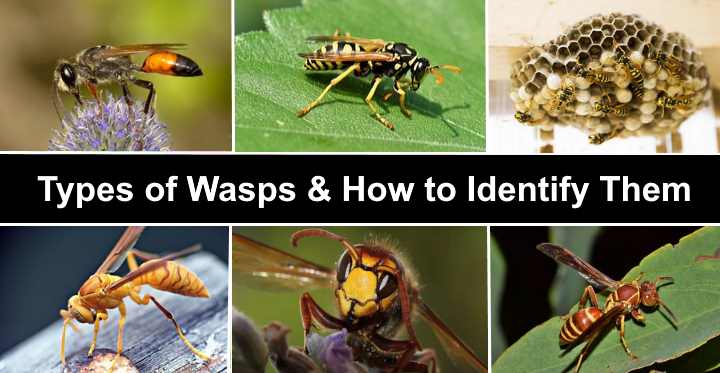
Not all wasps look alike, and their behavior varies significantly based on species. Correct identification is the first step in deciding whether to ignore, relocate, or remove a nest.
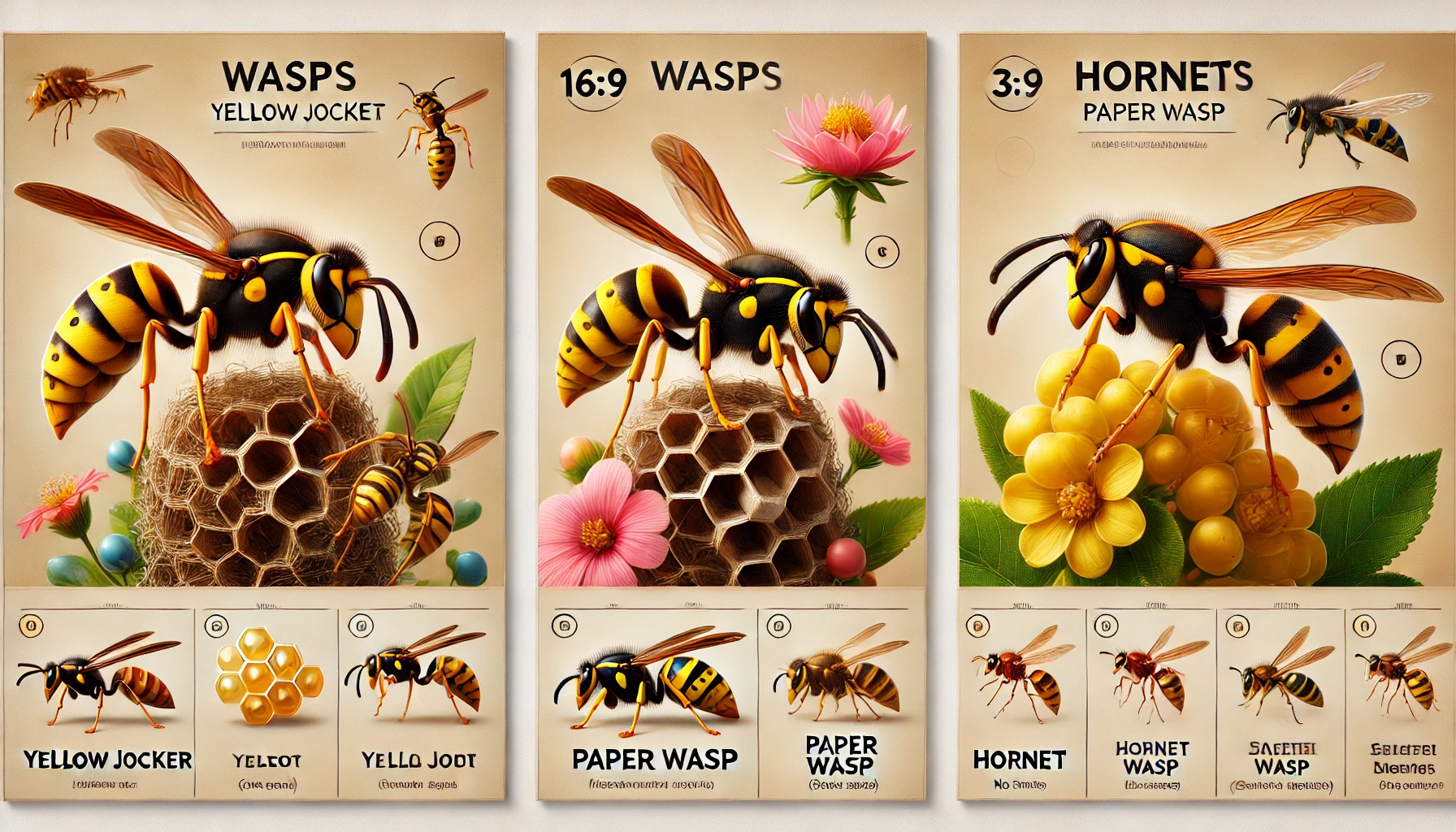
- Paper Wasps: These are the slender, long-legged wasps often seen hanging from eaves or in bushes. They build open, umbrella-shaped nests made of chewed wood fibers. They are generally defensive only when disturbed but can be bold if a nest is near human activity.
- Yellow Jackets: Known for their bright yellow and black stripes, these are the classic Halloween and picnic pests. They live in underground nests or wall voids and are notoriously aggressive when their colony is threatened. They are also scavengers, meaning they love human food.
- Hornets: Larger than yellow jackets with distinct orange and black patterns, hornets are apex predators among insects. They often build large, enclosed nests high in trees. They are highly defensive and should be handled by professionals.
- Cicada Killers: These massive solitary wasps dig burrows in the ground to hunt cicadas. Despite their intimidating size, they are rarely aggressive toward humans. The males cannot sting, and the females will only sting if crushed against skin, such as when you sit on them.
Spotting Nests Before They Grow
The key to easy management is early detection. Wasps build nests progressively. A spot the size of a dime can grow to the size of a basketball over a single summer. Inspect your home’s exterior regularly, especially in spring and early summer. Look for small papery pods under eaves, in attic vents, or within hollow fence posts. Yellow jackets, however, are trickier because their nests are often hidden underground or inside wall cavities. If you see a steady stream of wasps entering a small hole in the ground or siding, that is likely their entrance.
Safe Removal Strategies
If a nest is in an inconvenient location—like a window frame or a frequently used pathway—removal is necessary. Timing is everything. Wasps are nocturnal and less active at dusk. Spray treatments are most effective when applied to the entrance hole or directly onto the nest entrance just as the sun goes down.
Wear protective clothing. Thick gloves, long sleeves, and closed-toe shoes are non-negotiable. Keep a clear escape route behind you. When spraying, do it from a distance if using a pressurized can with a wand. Do not seal the entrance immediately. Trapping wasps inside a cavity can force them to chew through drywall or carpet to get out. Wait 24 to 48 hours after treatment to ensure the nest is dead before sealing it up.
For ground nests, especially yellow jackets, caution is critical. Digging near a nest is dangerous. It is often safer to mark the area and call a professional pest control service, especially if you are allergic or if the nest is in a high-traffic area.
Prevention: Living in Harmony
You cannot eliminate wasps entirely, but you can make your property less attractive to them. Keep trash cans tightly sealed. Wasps are attracted to sweet smells and the scent of proteins. Clean up pet food outdoors quickly. In the evening, keep outdoor dining areas clean of crumbs and spills.
Seal cracks in your home’s exterior. A small gap under a door or around a window can become a highway for yellow jackets seeking insulation or shelter. Caution lights with color-changing bulbs. Wasps navigate using the spectrum of sunlight; lights that change color confuse them and reduce congregation.
What To Do If Stung
Despite best efforts, stings happen. For most people, a wasp sting is painful but not life-threatening. Immediately remove the stinger if it remains (though wasps tend to retain their stinger, unlike bees). Wash the area with soap and water. Apply a cold compress to reduce swelling and pain. Over-the-counter antihistamines can help with itching.
Watch for signs of an allergic reaction, such as difficulty breathing, swelling of the throat, or dizziness. These are medical emergencies requiring immediate attention. If you have a known severe allergy, always carry an EpiPen.
Conclusion: Respect and Awareness
Wasps are not villains; they are simply surviving. By understanding their biology and identifying the specific type on your property, you choose informed management over panic. Whether it’s leaving a solitary nest alone or professionally removing a yellow jacket colony, knowledge is your best defense. It allows you to coexist with these industrious insects while protecting your home and family.
Frequently Asked Questions
How long does a wasp nest last?
Most wasp nests are single-season affairs. The colony dies off in the fall with the first hard frost. Only the new queens survive to start colonies the following spring. Abandoned nests can be safely removed or left as birdhouses, as some birds use the papery material for their own nests.
Do wasps cause structural damage?
Not directly. Wasps chew wood fibers to create their paper-like nests, which may leave minor surface wear. However, large colonies in wall voids can cause noise disturbances and attract other pests. The primary issue is usually the presence of the insects rather than physical decay to the structure.
Can I use vinegar or soap to kill wasps?
Direct application of soapy water can kill wasps on contact by clogging their breathing spiracles. However, this requires you to be in very close proximity to the nest, which is risky. For established nests, commercial wasp sprays with long-range nozzles are significantly safer and more effective.
Why are there so many wasps this year?
Wasp population booms are often linked to mild winters and warm springs. These conditions increase the survival rate of queens and accelerate the growth of food sources, such as fruiting plants and prey insects. A high year often leads to a noticeable increase in nest numbers near human dwellings.






:max_bytes(150000):strip_icc()/90-Day-Fiance-Happily-Ever-After-01-b463c1fca29e4dc4b532856609242b3f.jpg)