Unraveling the Truth: Who Actually Invented the Airplane?
When you hear the question “who really invented the airplane?” the name that springs to mind is usually the Wright brothers. Yet the story of powered flight is a tapestry woven from the efforts of inventors across continents, each contributing pieces that made the dream of soaring possible. This article pulls back the curtain on the most celebrated claim, examines the lesser‑known pioneers, and explains why history has settled on a single name.
The Wright Brothers and the Birth of Powered Flight
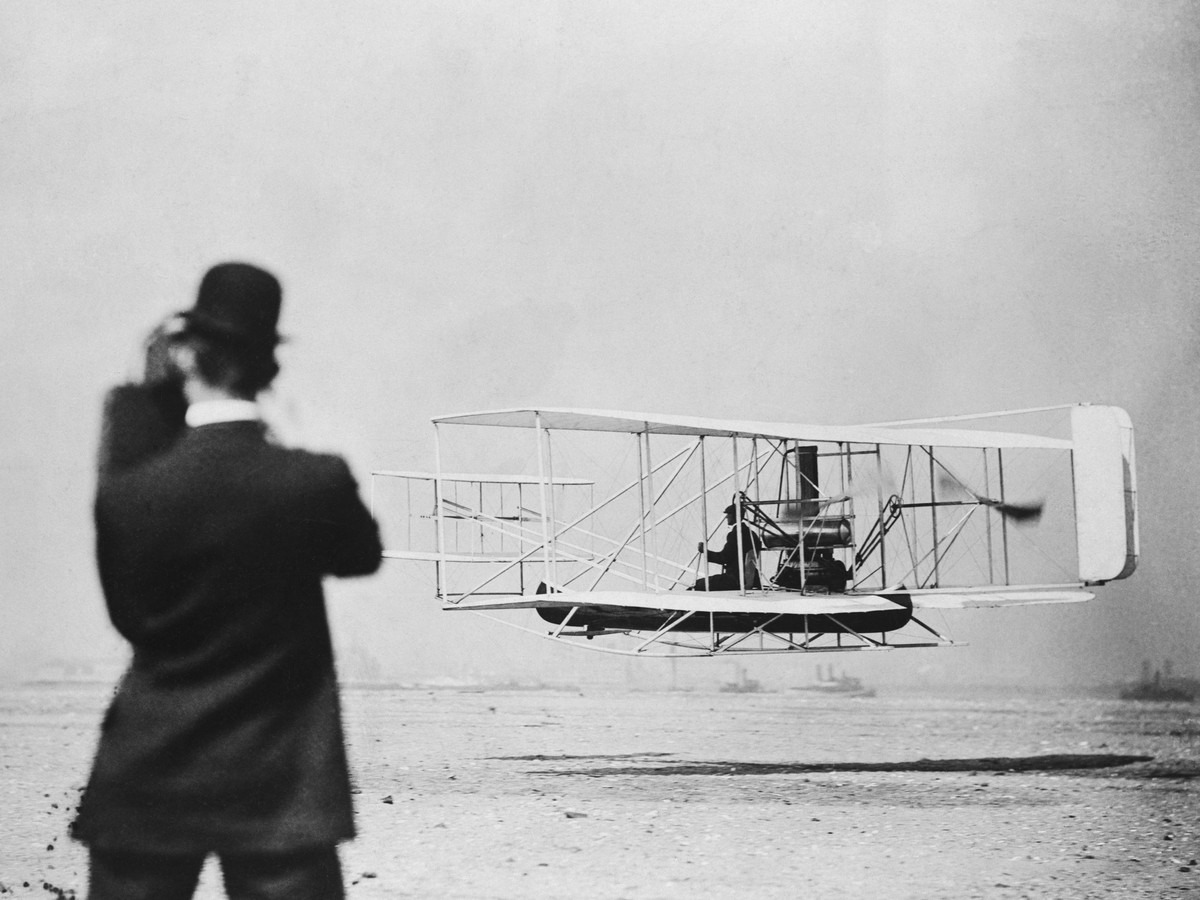
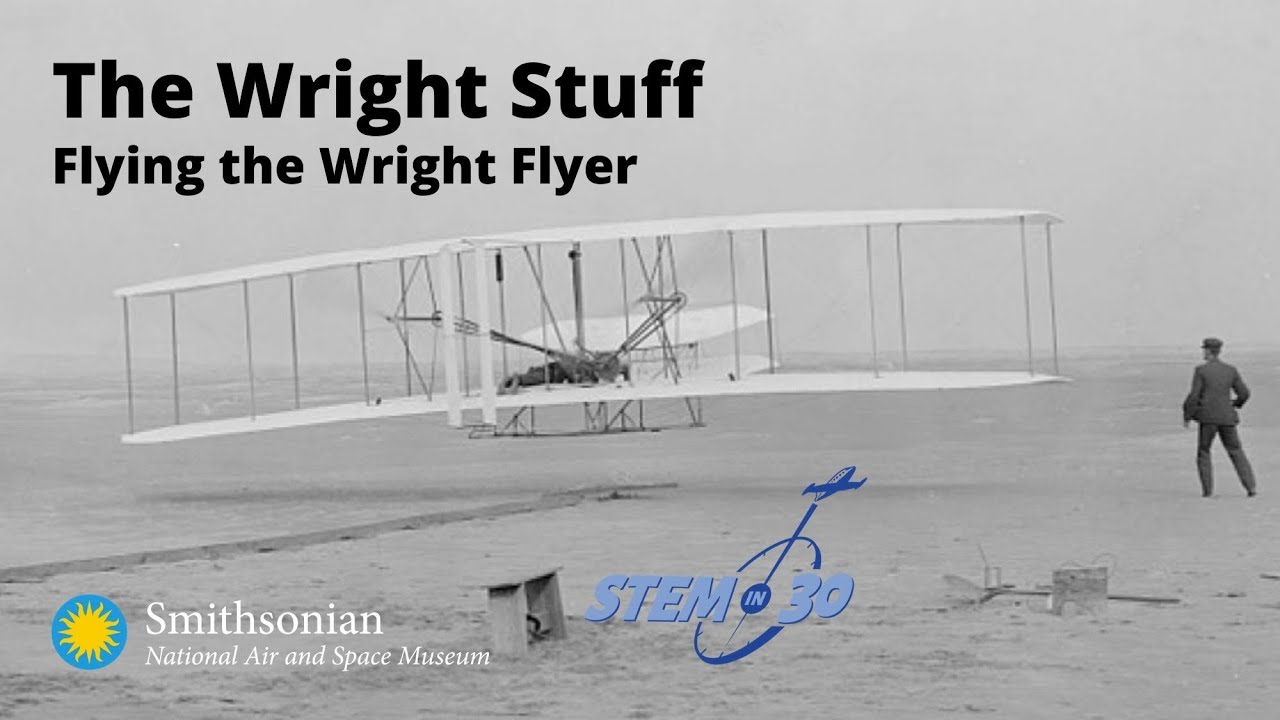
Orville and Wilbur Wright are credited with the first controlled, powered, and sustained flight on December 17, 1903, at Kitty Hawk, North Carolina. Their aircraft, the Flyer, stayed aloft for 12 seconds and covered 120 feet. What set this achievement apart was not just the engine, but the trio of innovations that solved the age‑old problem of controlled flight: a three‑axis control system, a lightweight gasoline engine, and a wind‑tunnel testing method.
These breakthroughs were the product of years of bicycle mechanics, rigorous experimentation, and a meticulous approach to data. The Wrights filed a patent in 1906 that covered the essential elements of roll control via wing warping—a concept that later evolved into ailerons.
Early Visionaries Who Took to the Skies First
Before the Wrights, several inventors had built gliders that could glide short distances, but few managed true powered flight. A few notable figures include:
- Alberto Santos‑Dumont – The Brazilian aviator flew his 14‑bis in Paris on October 23, 1906, covering a distance of 60 meters. Because the flight occurred in public view and without the use of a catapult launch, many Europeans at the time felt Santos‑Dumont deserved the credit for “the first airplane.”
- Clément Ader – In 1890, the French engineer built the Éole, a steam‑driven aircraft that reportedly lifted off briefly, though it lacked control and sustained flight.
- Octave Chanute – An American engineer who never built a powered machine himself, Chanute’s designs and his open sharing of aerodynamic data helped shape the work of both the Wrights and European experimenters.
- Hiram Maxim – In 1894, Maxim demonstrated a massive, steam‑powered aircraft that ran along a rail and achieved lift, but it crashed when it became unstable.
These pioneers each contributed a piece of the puzzle—whether it was the idea of a lightweight engine, structural concepts, or the principle of control surfaces. Yet none combined all three in a practical, repeatable aircraft before the Wright brothers did.
Why the Wrights Got the Spotlight
The post‑1903 narrative was shaped by a mix of legal battles, media coverage, and national pride. The Wrights aggressively defended their patent, which forced other inventors, especially in the United States, to license their technology. This legal leverage meant that many subsequent American aircraft incorporated Wright‑style control, reinforcing the perception that they were the originators.
Meanwhile, European newspapers highlighted Santos‑Dumont’s public flight, leading to a regional split in public opinion that persists to this day. In the United States, the Wrights were celebrated as homegrown heroes, while in France and Brazil, local inventors enjoyed their own accolades.
Modern Reassessment: A More Nuanced Picture
Historians now agree that the invention of the airplane was not a single eureka moment but a gradual convergence of ideas. The Wrights excelled at integrating propulsion, control, and structural design into a working machine. Santos‑Dumont, on the other hand, proved that a practical aircraft could be operated without a ground‑based catapult—an important step for public acceptance.
In recent years, museums and scholars have emphasized the collaborative nature of early aviation. Exhibits often feature side‑by‑side displays of the Wright Flyer, the 14‑bis, and Chanute’s gliders, inviting visitors to see the overlapping timelines and shared engineering challenges.
What the Debate Means for Innovation Today
Understanding that “who really invented the airplane?” has multiple answers reminds us that breakthrough technologies rarely spring from a single mind. The story encourages modern inventors to build on open knowledge, collaborate across borders, and recognize the incremental steps that precede a landmark achievement.
Frequently Asked Questions
Did the Wright brothers make the first powered flight?
Yes, on December 17, 1903 they achieved the first controlled, sustained, powered flight, which is widely accepted as the milestone that defines modern aviation.
Why do some people credit Alberto Santos‑Dumont?
Santos‑Dumont’s 1906 flight in Paris was the first public, unassisted take‑off and landing, performed in front of crowds and journalists, leading many Europeans to view his aircraft as the first true airplane.
What role did patents play in the early aviation race?
The Wright brothers’ 1906 patent on wing‑warping control gave them legal leverage, compelling other American inventors to license the technology. This helped cement their reputation as the primary inventors in the United States.