Understanding the Role of Crime Scene Photos in Investigations
When investigators arrive at a crime scene, the first thing they often do is pull out their camera. The resulting images—commonly called crime scene pictures—are more than just snapshots; they serve as critical evidence that can survive legal scrutiny, guide forensic analysis, and ultimately help bring justice. In this article we’ll unpack how those pictures are taken, what makes them reliable, and why they matter beyond the courtroom.
What Makes a Good Crime Scene Picture
Not every photo taken at a crime scene is useful. A high‑quality image must balance technical precision with the narrative the investigators need. The key elements are:
- Focus and Clarity: The subject must be sharp. Blurred photos can mislead or lose important detail.
- Lighting: Natural or controlled light reveals texture and color. Over‑exposure can wash out clues.
- Perspective and Scale: Multiple angles and a reference object (like a ruler or coin) help establish size and distance.
- Documentation: Metadata—time, GPS coordinates, camera settings—provides context that can’t be recreated.
When these criteria are met, the image becomes a reliable stand‑in for the scene itself.
How Investigators Capture the Scene
Modern crime scene photography combines standard photographic techniques with forensic protocols. Here’s a typical workflow:
- Scene Securing: Before cameras move, officers establish a perimeter to keep the area untouched.
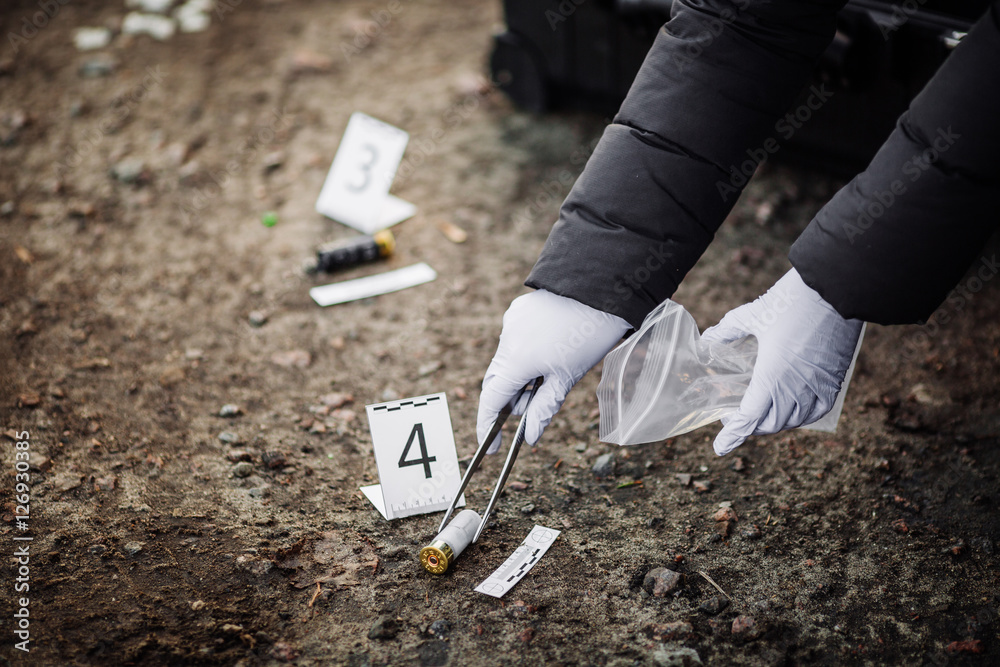
- Systematic Survey: The crew divides the scene into sectors—often marked with chalk or tape—and photographs each from several distances.
- Macro Details: Small items like fingerprints, footprints, or fibers are photographed with macro lenses or zoomed in manually.
- Video & 3‑D Capture: In some jurisdictions, high‑resolution video or photogrammetry is used to reconstruct the scene digitally.
Each photo is then catalogued in a secure database, tagged with case numbers and descriptive metadata.
Legal Standing and Challenges
Because crime scene pictures can be admitted as evidence, they must adhere to strict standards. The Daubert and Frye tests evaluate the scientific validity of forensic methods, and photography is no exception. A few challenges persist:
- Authenticity: Digital images can be altered. Chain‑of‑custody records and tamper‑evident software help preserve integrity.
- Admissibility: Courts require that images be taken by qualified personnel and that the original files are preserved.
- Interpretation: Photographs can be ambiguous. Expert testimony often explains how a photo supports or refutes a theory.
Law enforcement agencies continually update protocols to meet evolving technological standards and judicial expectations.
Beyond the Evidence: Educational and Media Uses
Crime scene pictures also serve broader purposes. Educators use them in forensic science curricula to teach students about scene preservation and evidence collection. Media outlets publish selected images, though they must balance public interest with respect for victims and the integrity of ongoing investigations. In both cases, the images are curated to avoid sensationalism while still conveying factual information.
Frequently Asked Questions
What types of cameras do detectives use at crime scenes?
Most departments employ high‑resolution digital cameras with interchangeable lenses, including macro and wide‑angle options. Some teams also use smartphones equipped with professional photo apps for quick documentation.
Can crime scene pictures replace physical evidence?
While photos capture visual aspects of evidence, they cannot replace the physical material itself. Physical evidence may still need to be analyzed in a lab, but photos provide context and help preserve the scene’s state before it changes.
How long are crime scene photographs kept?
Retention policies vary by jurisdiction, but it is common for agencies to archive images indefinitely or for a period that matches the statute of limitations for the offense.