Understanding MDF Dynamics: A Simple, Straightforward Guide
Medium‑density fiberboard, or MDF, is a staple in many workshops, but its performance often feels like a mystery. If you’ve ever wondered why a panel bends slightly in humidity or why a certain screw seems to pull out too easily, the answer lies in the material’s dynamics. Below, we break down the core factors that govern MDF’s behavior, all without drowning you in technical jargon.
What Is MDF and Why It Matters
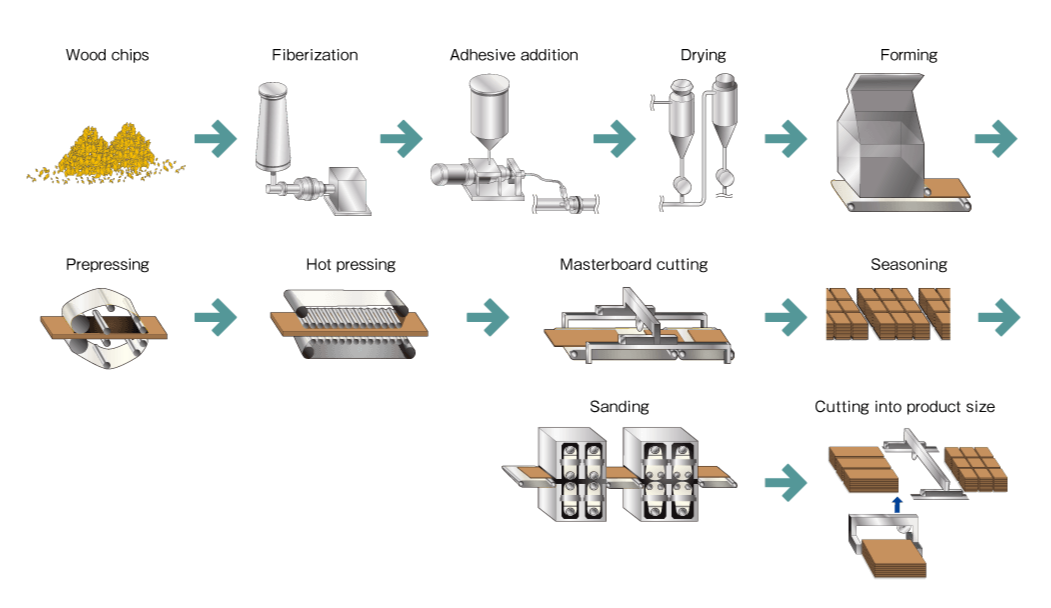
MDF is engineered from wood fibers bonded together with resin under high pressure and temperature. The result is a dense, uniform board that cuts cleanly and paints smoothly—qualities that make it popular for cabinets, shelving, and decorative molding. Unlike solid wood, which varies grain‑by‑grain, MDF offers consistency, a feature that simplifies design and manufacturing.
Key Physical Properties That Define Its Behavior
- Density: Typically ranging from 38 to 55 lb/ft³, higher density translates to greater strength and less sag.
- Moisture Content: Factory‑finished MDF sits around 6–8 % moisture; once exposed to damp air, it can swell dramatically.
- Modulus of Elasticity (MOE): This measures stiffness; MDF’s MOE is lower than plywood, meaning it flexes more under load.
- Surface Hardness: A smooth finish is easy to paint, yet the surface can dent with heavy impact.
Understanding these numbers helps you predict how the board will hold up in different environments.
How Moisture Affects MDF: The Biggest Variable
Water is MDF’s arch‑enemy. The resin that holds the fibers together is hygroscopic, so when the board absorbs moisture, the fibers swell and the panel expands—sometimes by up to 12 % in thickness. This expansion isn’t uniform; the edges may lift while the center stays flat, leading to warping or joint failure.
To mitigate this, seal all exposed edges with paint, varnish, or a specialized edge band. In high‑humidity rooms, consider moisture‑resistant MDF, which incorporates additional wax or polymer additives.
Strength and Load‑Bearing: What You Can Expect
Despite its reputation as a “soft” board, MDF can support a respectable amount of static load, especially when the grain runs across the applied force. A ¾‑inch panel can hold roughly 30 lb per square foot when supported on all edges. However, point loads—like a heavy shelf bracket—can cause localized crushing.
Fastening is another nuance: pre‑drilling pilot holes is essential, as MDF tends to split when screws are driven directly. Use coarse‑thread wood screws or specialized MDF screws with a deeper thread to improve grip.
Working with MDF: Tips to Keep Its Dynamics in Check
- Cut with a fine‑toothed blade; a high‑speed steel or carbide‑tipped blade reduces tear‑out.
- Apply edge sealant within 24 hours of cutting to prevent rapid moisture uptake.
- When joining panels, opt for pocket holes or dowels rather than relying solely on glue; MDF’s porous surface can absorb glue unevenly.
- Use a dust mask or respirator—MDF dust contains fine particles that can irritate the lungs.
- Finish with a water‑based primer before painting; oil‑based finishes can trap moisture and lead to bubbling.
Common Misconceptions About MDF
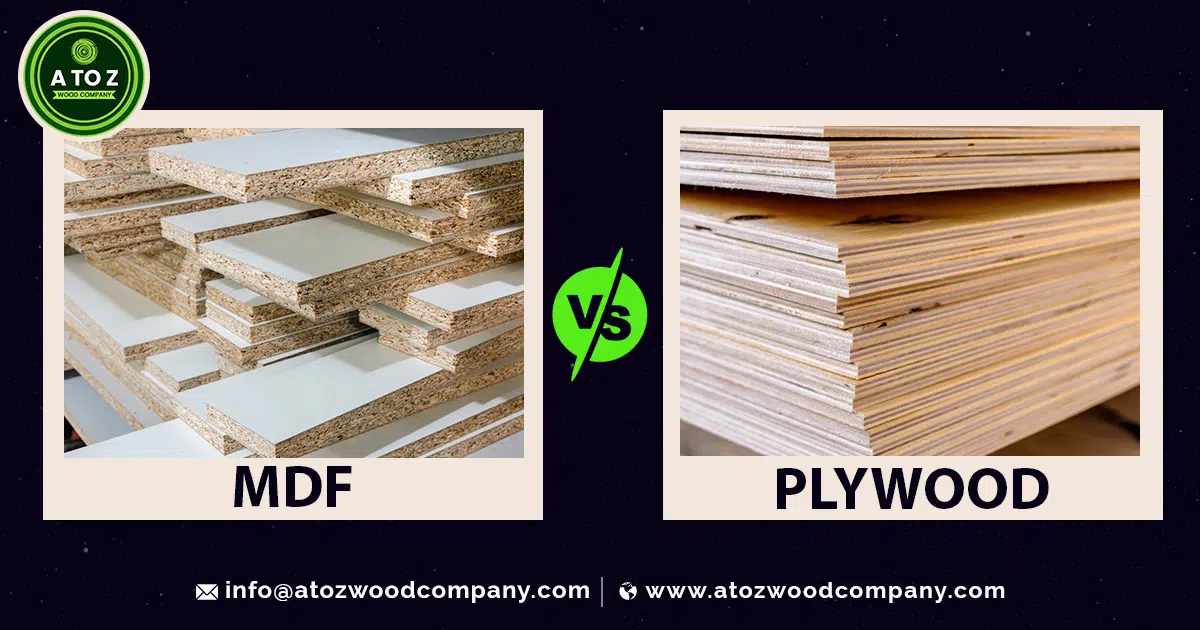
One frequent myth is that MDF is completely waterproof once painted. In reality, even a sealed surface can allow moisture to creep in at seams or damaged edges. Another misconception is that MDF is “cheap” and therefore low‑quality. While it’s more affordable than solid wood, a well‑chosen MDF grade can outperform cheaper plywood in certain applications, especially where a flat, paint‑ready surface is critical.
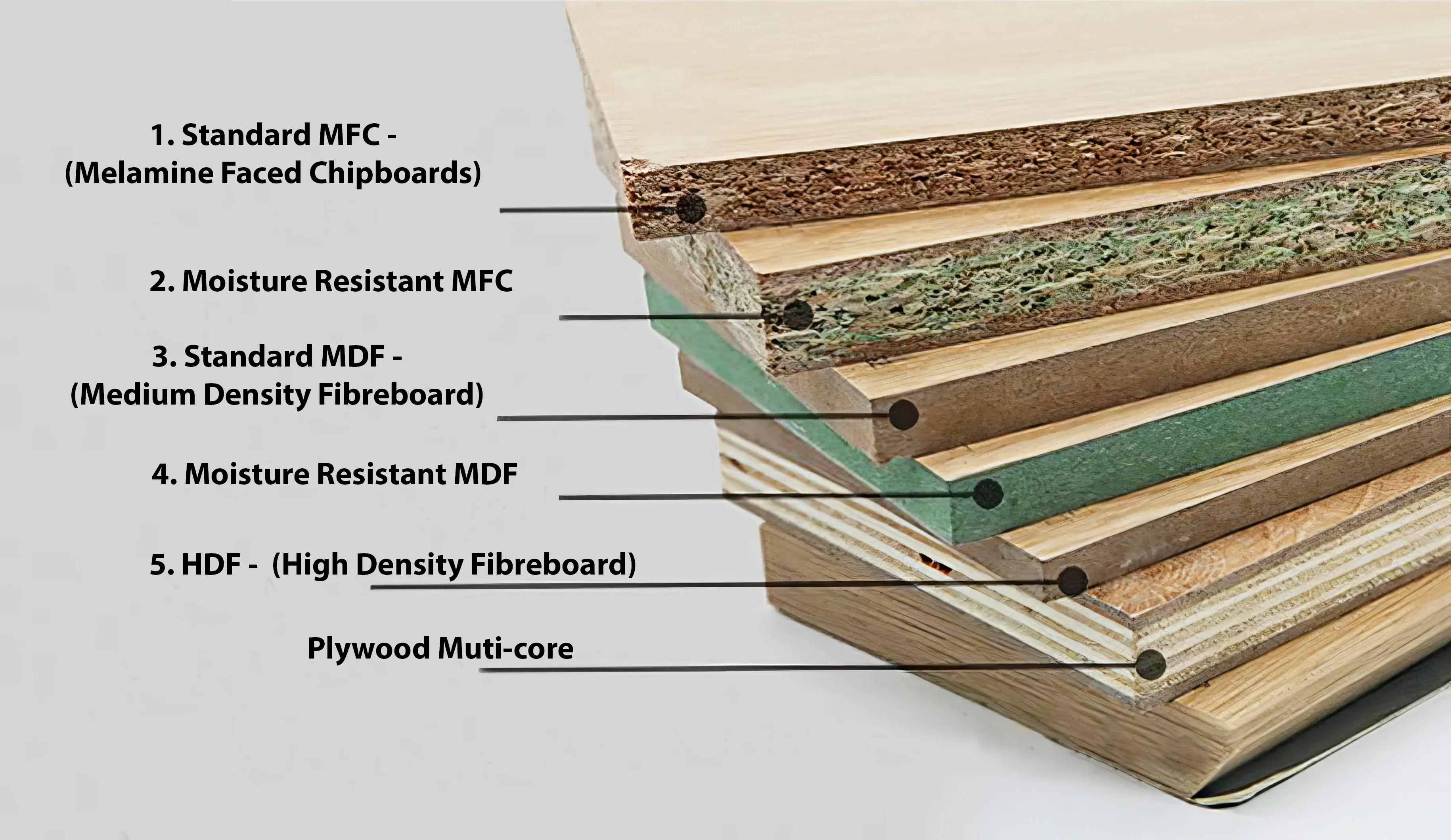
Finally, many assume that all MDF is the same. The market offers standard, moisture‑resistant, and fire‑rated variants, each engineered for specific challenges. Picking the right type prevents costly repairs down the line.
FAQ
Can MDF be used outdoors? Generally no—standard MDF will swell and degrade quickly when exposed to rain or direct sunlight. For exterior projects, look for outdoor‑rated MDF or choose a more weather‑tolerant material like marine‑grade plywood.
Is MDF safer than particleboard? MDF typically contains less formaldehyde than traditional particleboard, but both can release volatile compounds when cut. Proper ventilation and protective equipment are advisable for either material.
How do I repair a dented MDF surface? Light dents can be sanded smooth, then resealed. For deeper gouges, fill with a wood‑type filler, let it dry, sand flush, and repaint.
What’s the best way to attach hardware to MDF? Use a combination of pilot holes and MDF‑specific screws, or reinforce the area with a small wood block glued behind the surface to distribute the load.