Understanding Information Warfare: What It Is and Why It Matters
Defining Information Warfare
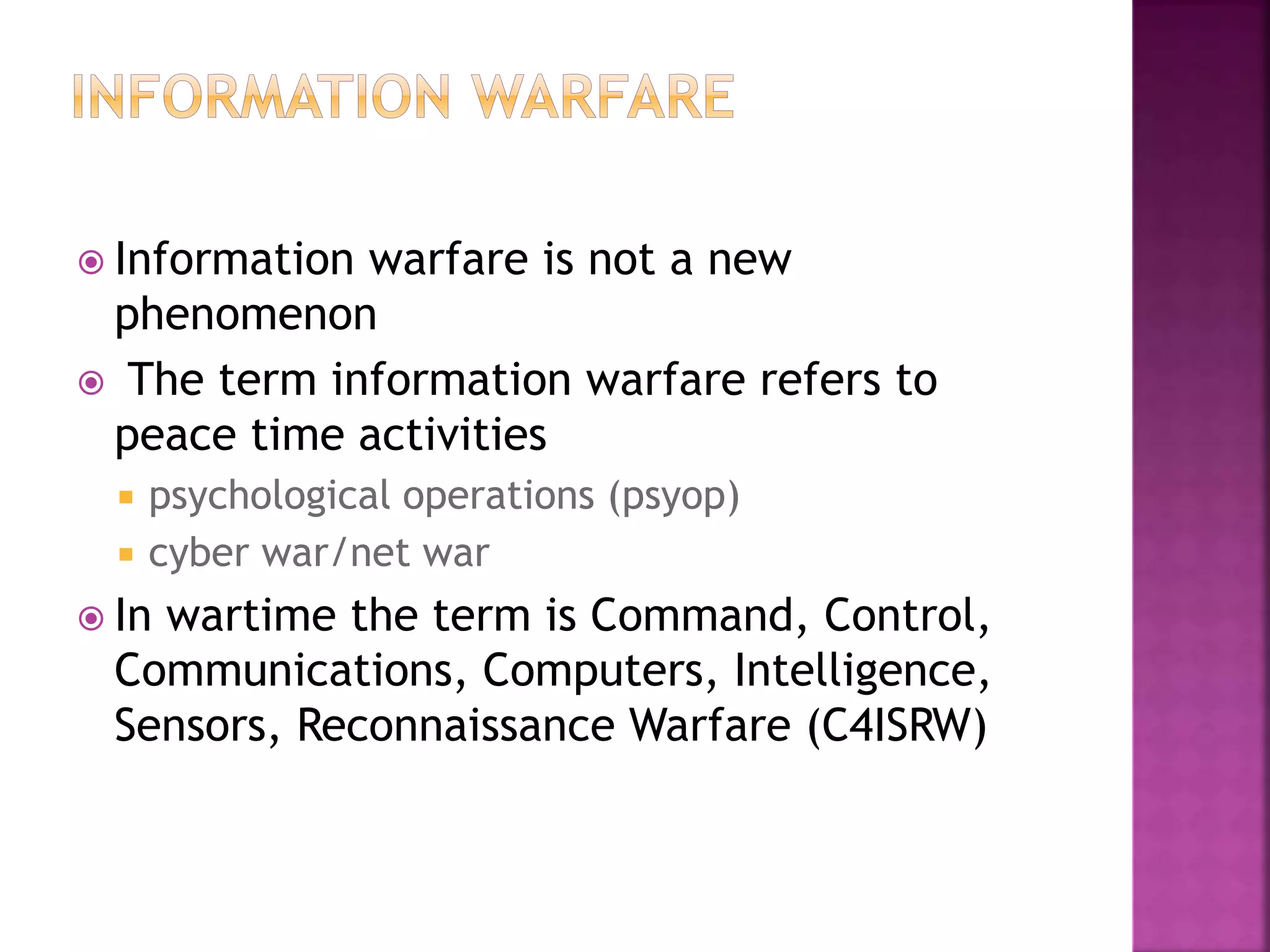
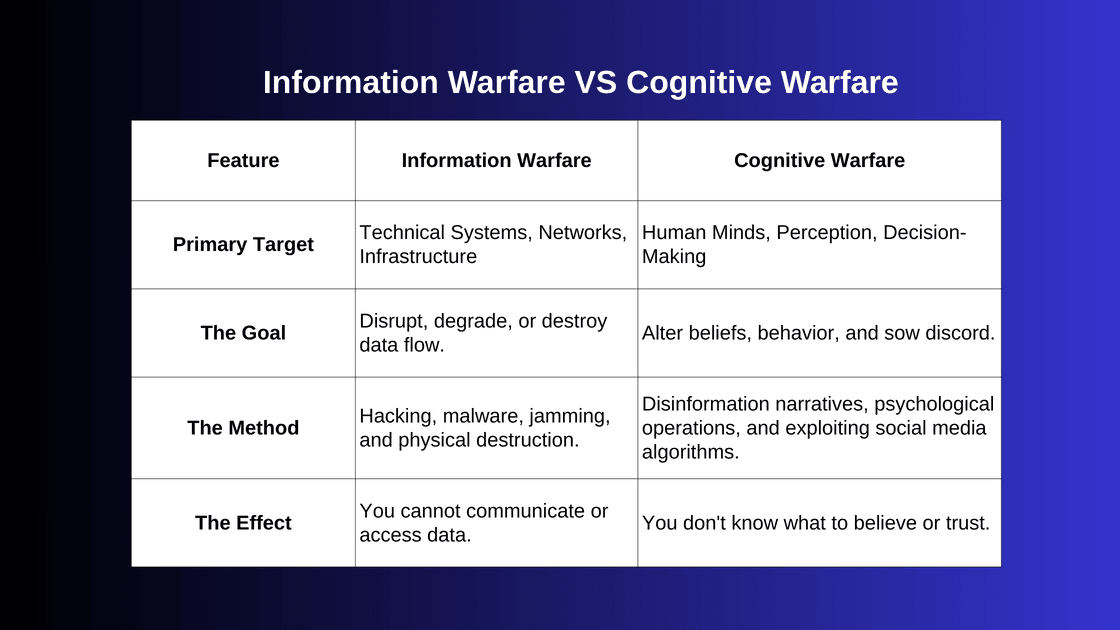
When you hear the phrase information warfare, you might picture cyber‑spies or fake news sites, but the reality stretches far beyond a single technology. At its core, information warfare is the strategic use of information—true, distorted, or outright false—to influence the perceptions, decisions, and actions of targeted audiences. Governments, corporations, and even loosely organized activist groups treat data and narrative as weapons, aiming to gain a competitive edge or to undermine an opponent’s resolve. In practice, the battlefield can be a social‑media feed, a televised news segment, a leaked document, or a whisper in a closed chat group.
Key Tactics and Tools
- Disinformation campaigns: Deliberately fabricated stories designed to mislead, often spread through bots or coordinated accounts.
- Amplification of fringe content: Using algorithms or paid promotion to push marginal views into mainstream awareness.
- Psychographic targeting: Leveraging data about personality traits to craft messages that resonate on an emotional level.
- Deepfakes and synthetic media: Manipulated audio or video that can masquerade as authentic evidence.
- Strategic leaks: Releasing selective information to sow confusion or to shape a narrative before the full story emerges.
These tactics rarely operate in isolation. A typical operation might begin with a small, plausible rumor, then employ bots to boost its reach, followed by a high‑profile leak that appears to confirm the original claim. The cascade can happen within hours, leaving little time for fact‑checkers to intervene.
Why It Matters to Nations and Citizens
For states, information warfare is a low‑cost, high‑impact complement to traditional military power. A successful campaign can erode public trust in institutions, sway elections, or destabilize rival societies without a single shot being fired. The 2016 U.S. election, for instance, highlighted how foreign actors can exploit social platforms to amplify polarizing content, thereby influencing voter sentiment.
For everyday people, the stakes are personal. When false narratives dominate the conversation, citizens may make decisions—whether about health, voting, or financial investments—based on inaccurate premises. The ripple effect reaches businesses that lose customers to fabricated scandals, or communities that fracture under mistrust. In short, the health of a democracy increasingly hinges on how well its members can discern fact from manipulation.
Historical Snapshots
Information warfare is not a product of the internet age. During World War II, both the Allies and Axis powers broadcast propaganda radio programs to demoralize enemy troops and sway neutral nations. The Cold War saw the Soviet Union deploy "active measures," a suite of covert actions that included forged documents and forged news stories aimed at Western audiences.
What’s different now is speed and scale. Digital platforms enable a single post to reach millions within minutes, and sophisticated analytics let attackers fine‑tune messages for specific demographic slices. The underlying principle—using information as a weapon—remains the same, but the tools have become exponentially more precise.
Protecting Yourself and Your Organization
While no single defense can guarantee immunity, a layered approach reduces vulnerability. Consider the following steps:
For Individuals
- Cross‑check headlines with reputable sources before sharing.
- Look beyond the headline—read the full article and note the author’s credentials.
- Be skeptical of content that provokes a strong emotional reaction; anger and fear are common triggers.
- Use browser extensions that flag known disinformation sites.
For Organizations
- Develop a clear internal communication policy that distinguishes official statements from employee opinions.
- Monitor brand mentions across social channels to detect coordinated smear attempts early.
- Invest in media‑literacy training so staff can spot deepfakes and fabricated data.
- Maintain an incident‑response plan that includes steps for correcting misinformation quickly.
Ultimately, resilience comes from a culture of critical thinking rather than reliance on any single technology.
FAQ
How does information warfare differ from traditional propaganda? Propaganda is a broader term for any systematic attempt to shape opinion, often overtly tied to a political agenda. Information warfare, by contrast, emphasizes the strategic, often covert, use of data and technology to achieve a tactical advantage, and it may blend propaganda with cyber‑operations, espionage, and psychological tactics.
What are common signs that a story might be part of an information‑warfare campaign? Look for unusually rapid viral spread, a lack of verifiable sources, emotional language, and coordination across multiple accounts that appear independent but share identical phrasing or imagery.
Can deepfake technology be stopped? Not entirely, but detection tools are improving. Watermarking authentic media, using AI‑based verification services, and fostering public awareness about the existence of synthetic content help mitigate the risk.
What role do social‑media platforms play in curbing information warfare? Platforms can limit amplification by flagging false content, adjusting algorithmic priorities, and removing coordinated inauthentic behavior. However, balancing moderation with free expression remains a contentious challenge.