Understanding Financial Audit Ratio Analysis: A Complete Guide
What Is Ratio Analysis in an Audit?
Financial audit ratio analysis is the practice of applying standard financial ratios to a client’s statements during an audit to spot inconsistencies, risk areas, or signs of misstatement. Auditors use the same metrics that managers rely on—like liquidity or profitability ratios—but with a sharper eye for anomalies. By quantifying relationships between line items, the auditor gains a quantitative narrative that complements the qualitative testing of controls.
Why Auditors Care About Ratios
Ratios turn raw numbers into a story that’s easier to compare across periods, industries, or peers. They help auditors answer questions such as “Is the current ratio unusually low this year?” or “Did the debt‑to‑equity surge without a clear business reason?” When a ratio deviates from expectations, it becomes a red flag worth probing further.
Core Ratio Categories You’ll Encounter
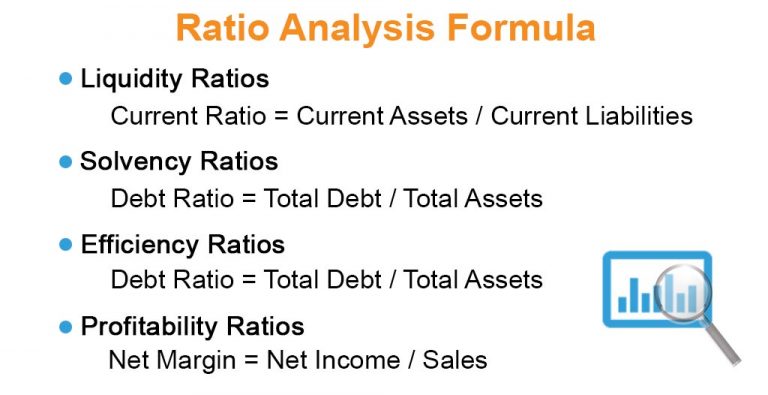
- Liquidity Ratios – Measure short‑term ability to meet obligations. The current ratio (current assets ÷ current liabilities) and quick ratio are most common.
- Profitability Ratios – Gauge how efficiently a company turns revenue into profit. Gross margin, operating margin, and return on equity fall here.
- Leverage Ratios – Indicate the extent of debt financing. Debt‑to‑equity and interest coverage are key indicators for auditors.
- Efficiency Ratios – Reveal how well assets are used. Inventory turnover and receivables turnover are typical examples.
Step‑By‑Step: Conducting Ratio Analysis During an Audit
1. Gather the financial statements. Obtain the balance sheet, income statement, and cash‑flow statement for the audit period and the prior year.
2. Select relevant ratios. Choose ratios that align with the client’s industry and the audit focus—risk‑based planning often guides this selection.
3. Calculate the figures. Use the audited numbers, not management‑adjusted forecasts, to compute each ratio.
4. Benchmark the results. Compare against prior‑year figures, industry averages, and any internal targets the client maintains.
5. Investigate outliers. Any ratio that falls outside a reasonable range should trigger substantive testing or inquiry with management.
Interpreting the Numbers: From Red Flag to Evidence
A low current ratio might suggest cash flow problems, but an auditor would also look at the composition of current assets—perhaps a large prepaid expense inflates the figure. Conversely, a high debt‑to‑equity ratio could be normal for a capital‑intensive firm, yet the auditor would verify that the debt is properly disclosed and that covenant compliance is documented.
Interpretation always ties back to the audit objectives. If the focus is revenue recognition, profitability ratios become the spotlight; if the audit emphasizes going‑concern, leverage ratios take precedence.
Common Pitfalls and How to Avoid Them
Relying solely on ratios can be misleading. Seasonal businesses, for instance, may show dramatic swings in inventory turnover that are perfectly legitimate. Auditors should therefore pair ratio analysis with substantive procedures, such as confirming inventory counts or reviewing loan agreements.
Another trap is using outdated industry benchmarks. Economic shifts can render historical averages irrelevant, so auditors need to ensure the comparison set reflects the current market environment.
Technology’s Role in Modern Ratio Analysis
Audit software now automates much of the calculation work, pulling data directly from the client’s ERP system and flagging variances in real time. Some tools even embed predictive analytics, suggesting which ratios are most likely to indicate material misstatement based on historical audit outcomes.
While technology speeds up the process, auditors still need professional judgment to decide which alerts merit deeper investigation.
Integrating Ratio Analysis with Other Audit Procedures
Ratio analysis is rarely a standalone test. It usually feeds into risk assessment, informs the nature, timing, and extent of substantive procedures, and helps shape the audit sampling plan. For example, an abnormal receivables turnover may lead the auditor to increase the sample size for confirming outstanding invoices.
By weaving ratio insights throughout the audit roadmap, the auditor creates a cohesive narrative that supports the final opinion.
Practical Example: A Mid‑Size Manufacturing Firm
Consider a manufacturer whose current ratio slipped from 2.1 to 1.3 year over year. The auditor calculated the quick ratio and found it fell even further, from 1.5 to 0.8. Digging deeper, the audit team discovered that a large portion of current assets consisted of work‑in‑process inventory tied up due to a delayed customer order. Substantive testing confirmed the inventory valuation was accurate, but the auditor also recommended that management improve cash‑flow forecasting to avoid liquidity strain.
When Ratio Analysis Is Not Enough
If a client operates in a highly regulated environment—such as banking—ratios alone may not capture compliance risk. In those cases, auditors must supplement ratio analysis with regulatory testing, such as reviewing capital adequacy reports or anti‑money‑laundering controls.
Similarly, startups with minimal historical data may lack meaningful benchmarks, prompting auditors to lean more heavily on substantive procedures and inquiries.
Key Takeaways for Auditors
- Use ratios as an early‑warning system, not a definitive conclusion.
- Tailor the selection of ratios to the client’s industry and audit focus.
- Pair quantitative alerts with qualitative evidence to build a robust audit trail.
- Stay current on benchmark data and leverage audit software wisely.
Frequently Asked Questions
What are the most commonly used ratios in a financial audit?
Liquidity (current, quick), profitability (gross margin, return on equity), leverage (debt‑to‑equity, interest coverage), and efficiency (inventory turnover, receivables turnover) are the staples auditors examine.
How does ratio analysis differ from management’s internal analysis?
Auditors apply the same formulas but focus on detecting inconsistencies, testing the accuracy of the underlying numbers, and comparing results against external benchmarks rather than internal performance goals.
Can software replace the auditor’s judgment in ratio analysis?
No. Automation speeds up calculations and highlights outliers, but professional skepticism and industry knowledge remain essential to decide which variances merit further testing.
What should an auditor do if a ratio looks abnormal but the client has a reasonable explanation?
Document the client’s explanation, obtain supporting evidence (e.g., contracts, board minutes), and assess whether the explanation is consistent with the financial statements. If satisfied, the auditor can reduce the related substantive testing, but the rationale must be clearly recorded.