Understanding Creatine Kinase and How It Signals Muscle Breakdown
When you hear the term “creatine kinase,” it often crops up in blood‑test reports after a hard workout, a sports injury, or even a routine physical. This enzyme isn’t a mysterious villain; it’s a biochemical messenger that tells doctors—and athletes—how much muscle tissue has been stressed or damaged. In the next few minutes, we’ll unpack what creatine kinase actually does, why its levels rise when muscle fibers break down, and what those numbers mean for everyday health and performance.
What Is Creatine Kinase?
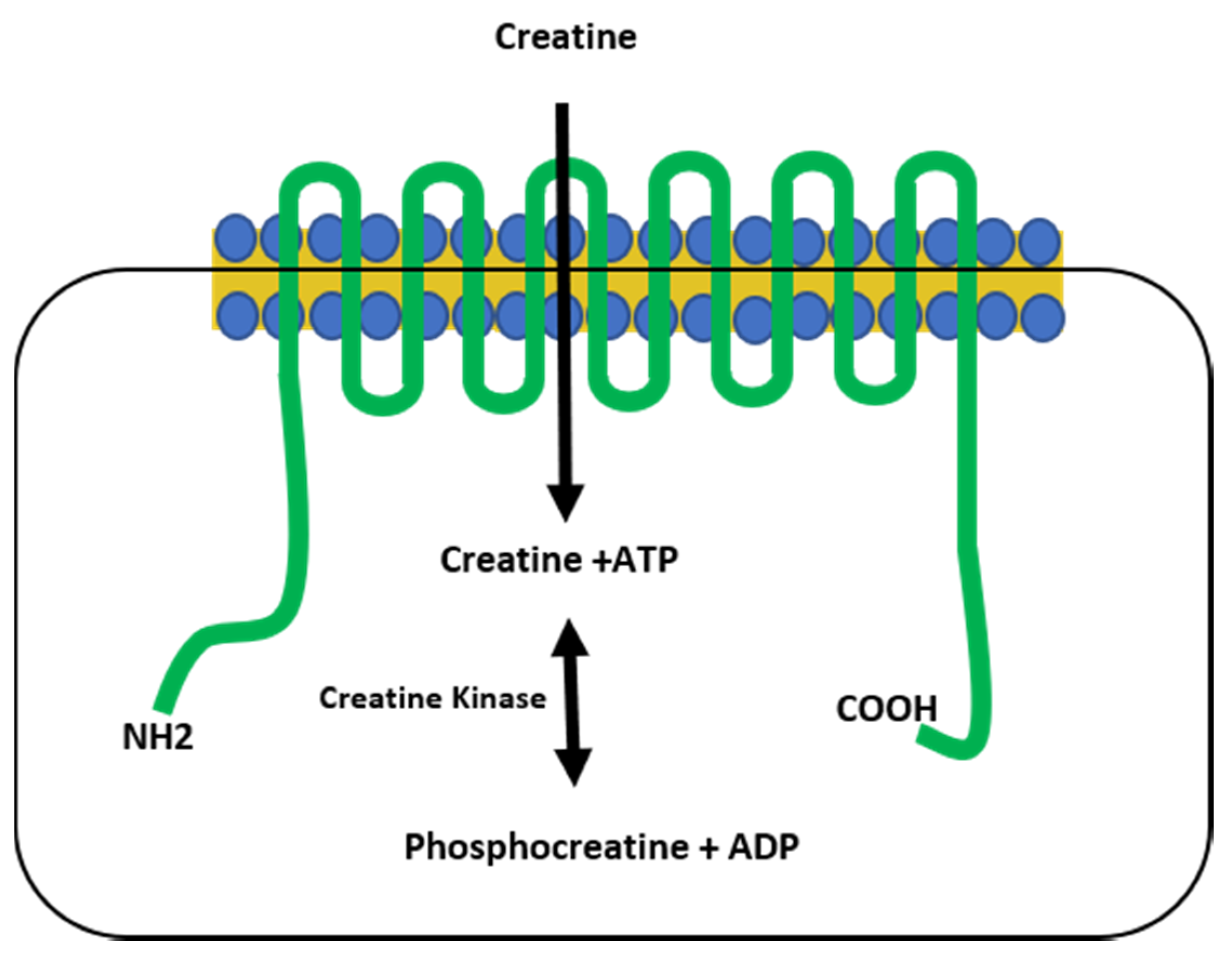
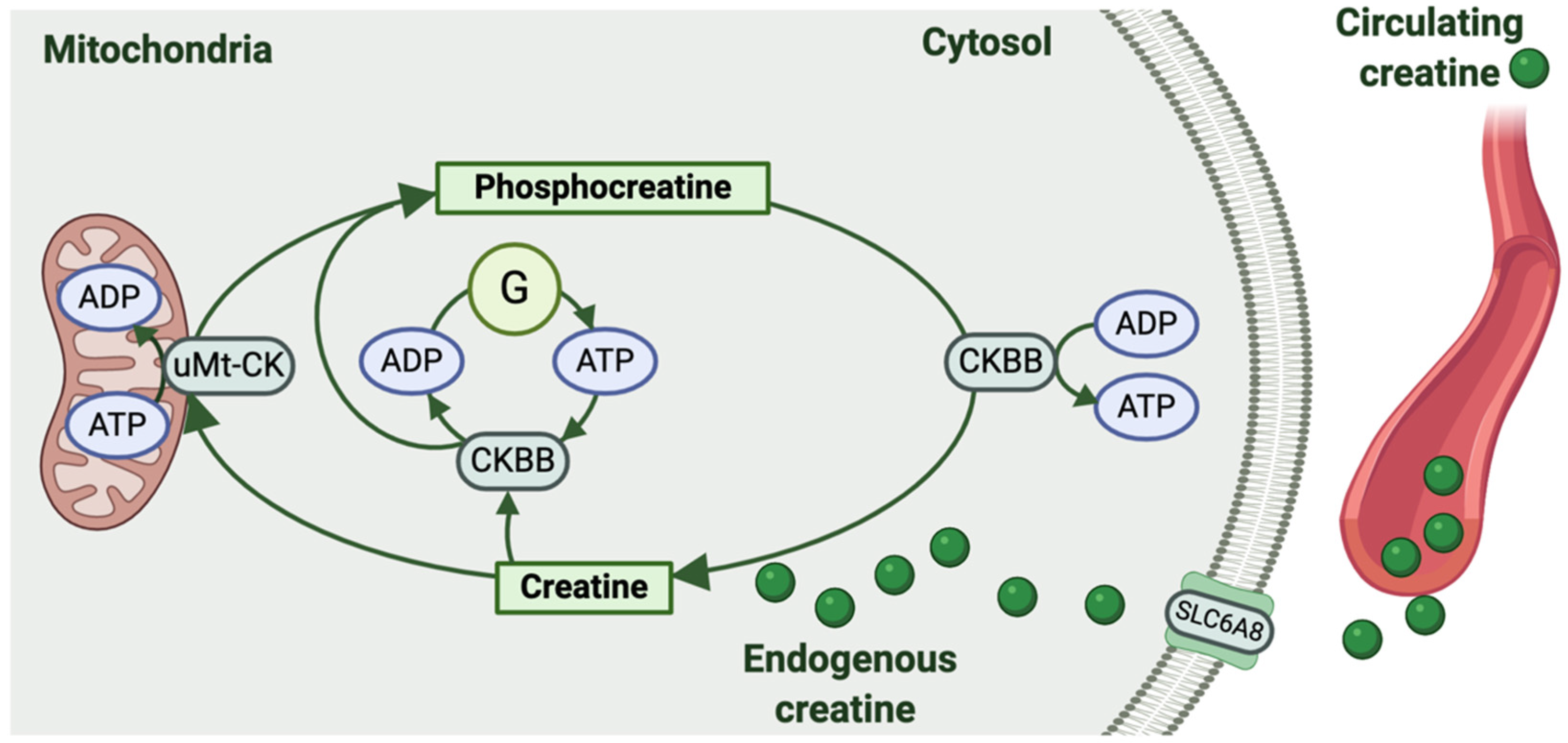
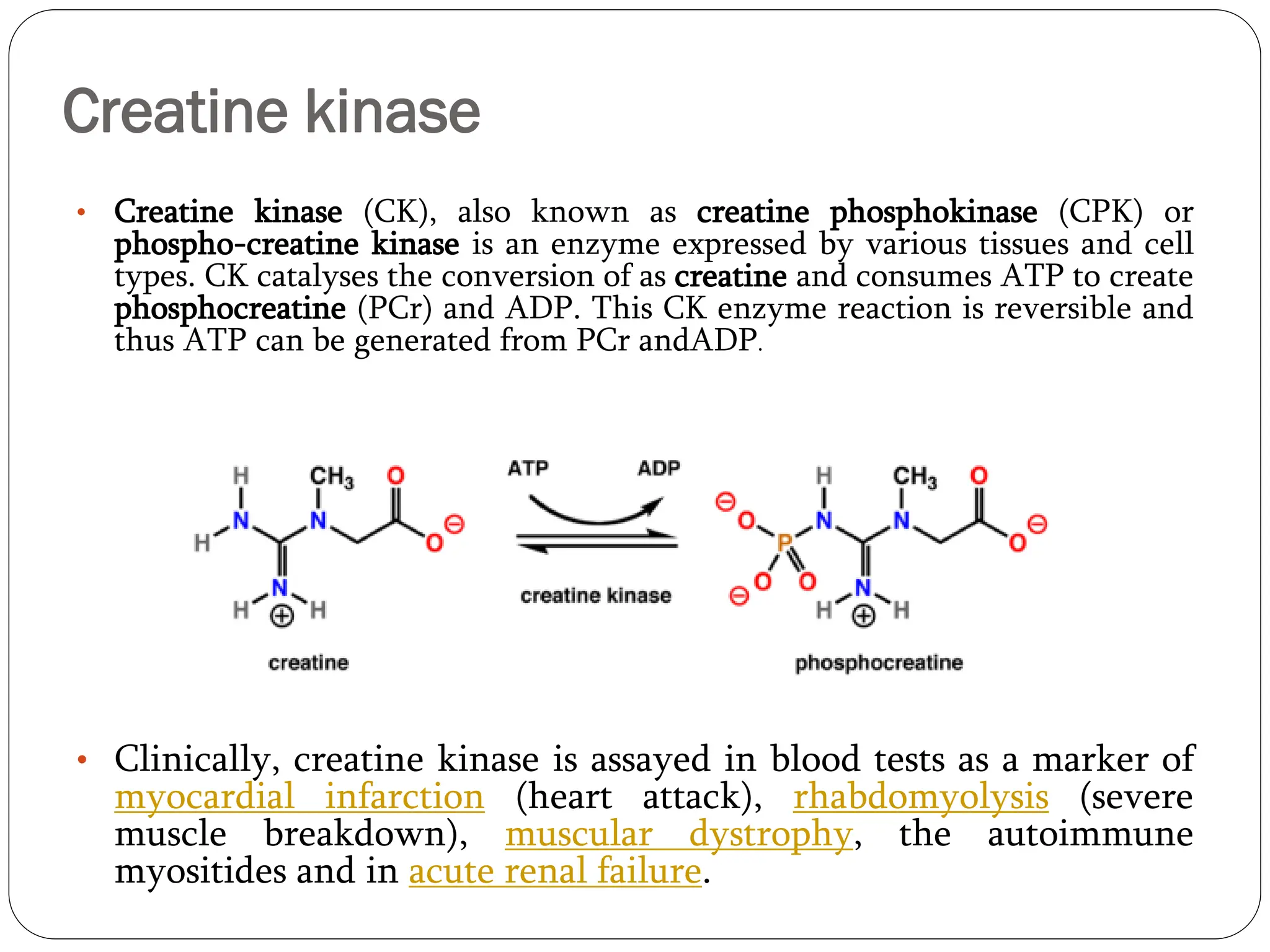
Creatine kinase (CK), sometimes called creatine phosphokinase, is an enzyme found primarily in three tissue types: skeletal muscle, cardiac muscle, and brain. Its main job is to facilitate the rapid regeneration of ATP, the cell’s energy currency, by transferring a phosphate group from phosphocreatine to ADP. In short, CK helps muscles contract efficiently during short bursts of high‑intensity effort.
Because CK is abundant inside muscle cells, any disruption to the cell membrane—whether from intense exercise, trauma, or disease—allows the enzyme to leak into the bloodstream. Blood‑test labs then measure that leakage as CK activity, expressed in units per liter (U/L). Higher readings generally indicate more muscle cell damage.
Why Does Muscle Breakdown Release CK?
Muscle fibers are built like tiny, tightly packed tubes. When you lift a heavy weight, sprint, or experience a sudden impact, microscopic tears appear in the sarcolemma (the muscle cell’s outer membrane). The body repairs these tears during recovery, making the muscle stronger—a process called hypertrophy. During the tearing phase, CK and other intracellular proteins such as myoglobin escape into the interstitial fluid and eventually the bloodstream.
Several factors can amplify this leakage:
- Exercise intensity. High‑intensity interval training (HIIT) or eccentric loading (e.g., downhill running) tends to produce larger CK spikes than steady‑state cardio.
- Training status. Untrained individuals often see a more pronounced rise after a new workout because their muscles are less accustomed to the stress.
- Medication or supplements. Statins and certain herbal products can increase CK by affecting muscle metabolism.
- Underlying health conditions. Inflammatory myopathies, muscular dystrophies, or heart attacks also cause CK elevation, but the pattern and accompanying symptoms differ.
Interpreting CK Levels: Normal Ranges and Red Flags
Reference ranges vary between laboratories, but a typical “normal” CK level for healthy adults sits somewhere between 30 and 200 U/L. Men usually have slightly higher upper limits than women because they tend to have more muscle mass.
Here’s a rough guide to what you might see:
- Mild elevation (200–400 U/L): Often seen after a tough gym session or a marathon. Levels usually return to baseline within 24‑48 hours.
- Moderate elevation (400–1,000 U/L): Could signal more extensive muscle damage, such as a severe strain, prolonged endurance event, or early signs of rhabdomyolysis.
- Severe elevation (over 1,000 U/L): Raises concern for rhabdomyolysis—a condition where massive muscle breakdown releases enough myoglobin and CK to threaten kidney function. Immediate medical evaluation is advised.
It’s crucial to remember that CK numbers alone don’t tell the whole story. Doctors interpret them alongside symptoms, recent activities, and other lab values like serum creatinine and electrolytes.
Rhabdomyolysis: When CK Becomes a Medical Emergency
Rhabdomyolysis occurs when the body’s protective mechanisms are overwhelmed by the sheer volume of muscle debris. Aside from sky‑high CK, patients may experience dark‑colored urine, severe muscle pain, swelling, and weakness. If untreated, the excess myoglobin can clog kidney tubules, leading to acute kidney injury.
Typical triggers include:
- Extreme exertion in hot climates (e.g., ultra‑marathons).
- Prolonged immobilization after a crush injury.
- Certain drugs or toxins, such as cocaine, alcohol bingeing, or high doses of statins.
- Inherited metabolic disorders that affect muscle energy production.
Early intervention—hydration, electrolyte monitoring, and sometimes dialysis—can prevent permanent damage. If you suspect rhabdomyolysis, seek emergency care promptly.
How to Manage Elevated CK After Exercise
Most athletes will see a temporary CK rise after a hard workout, and that’s perfectly normal. Still, there are steps you can take to keep the numbers in a healthy range and support recovery:
- Gradual progression. Increase training volume or intensity by no more than 10 % per week to give muscles time to adapt.
- Adequate hydration. Fluids help flush out metabolic by‑products and support kidney function.
- Balanced nutrition. Protein supplies the building blocks for repair, while antioxidants (vitamin C, E) may mitigate oxidative stress.
- Rest and active recovery. Light activities like walking or gentle cycling improve circulation without adding more strain.
- Monitor supplements. Some over‑the‑counter products claim to boost performance but can stress muscles. Discuss any new supplement with a healthcare professional.
If you notice persistently high CK levels despite these measures, a medical check‑up is wise. Chronic elevations can hint at underlying muscle disorders that benefit from early treatment.
Frequently Asked Questions
Is a high CK level always a sign of injury?
Not necessarily. While muscle damage is the most common cause, certain medications, infections, or even vigorous, non‑injurious exercise can raise CK temporarily.
Can women have lower CK thresholds than men?
Yes. Because women generally have less skeletal muscle mass, many labs set a slightly lower upper limit for female patients.
Should I avoid strength training if my CK is high?
It depends on the magnitude and the presence of symptoms. Mild elevations after a new routine are usually fine, but if you experience pain, swelling, or urine discoloration, pause the activity and consult a clinician.
How long does it take for CK to return to baseline after a marathon?
Most runners see CK normalize within 48‑72 hours, though some may take up to a week if the race was exceptionally demanding or weather conditions were harsh.