Understanding Auto Sensing: How It Works and Why It Matters
Auto sensing has moved from a novelty to a cornerstone of modern technology, quietly adjusting everything from car headlights to your phone’s screen brightness. In essence, it’s a suite of sensor‑driven systems that detect environmental changes and respond without human input. This article breaks down the science behind auto sensing, the hardware that makes it possible, and the real‑world benefits you might not even notice.
What Is Auto Sensing?
At its core, auto sensing refers to any automatic adjustment based on real‑time data gathered by sensors. Whether a vehicle brightens its headlights when it detects darkness or a thermostat tweaks the temperature as a room fills with people, the principle is the same: sense, process, act. The term is deliberately broad, covering everything from simple proximity switches to sophisticated sensor fusion networks that power autonomous driving.
Core Technologies Behind Auto Sensing
The magic lies in the sensors themselves. Different physical principles translate environmental cues into electrical signals, which a microcontroller or AI algorithm then interprets.
- Infrared (IR) sensors measure heat signatures or reflect infrared light, making them ideal for motion detection and night‑vision assistance.
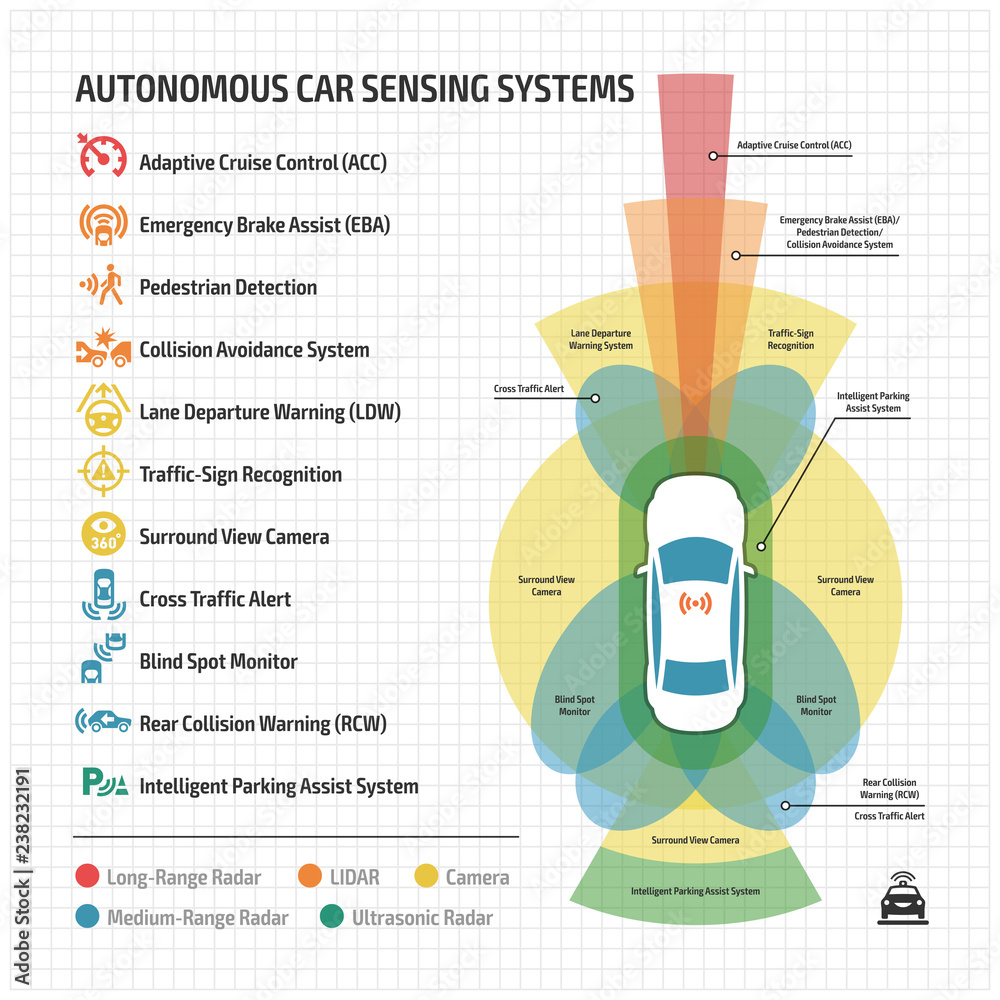
- Ultrasonic transducers emit high‑frequency sound waves and calculate distance from the echo—a staple in parking‑assist systems.
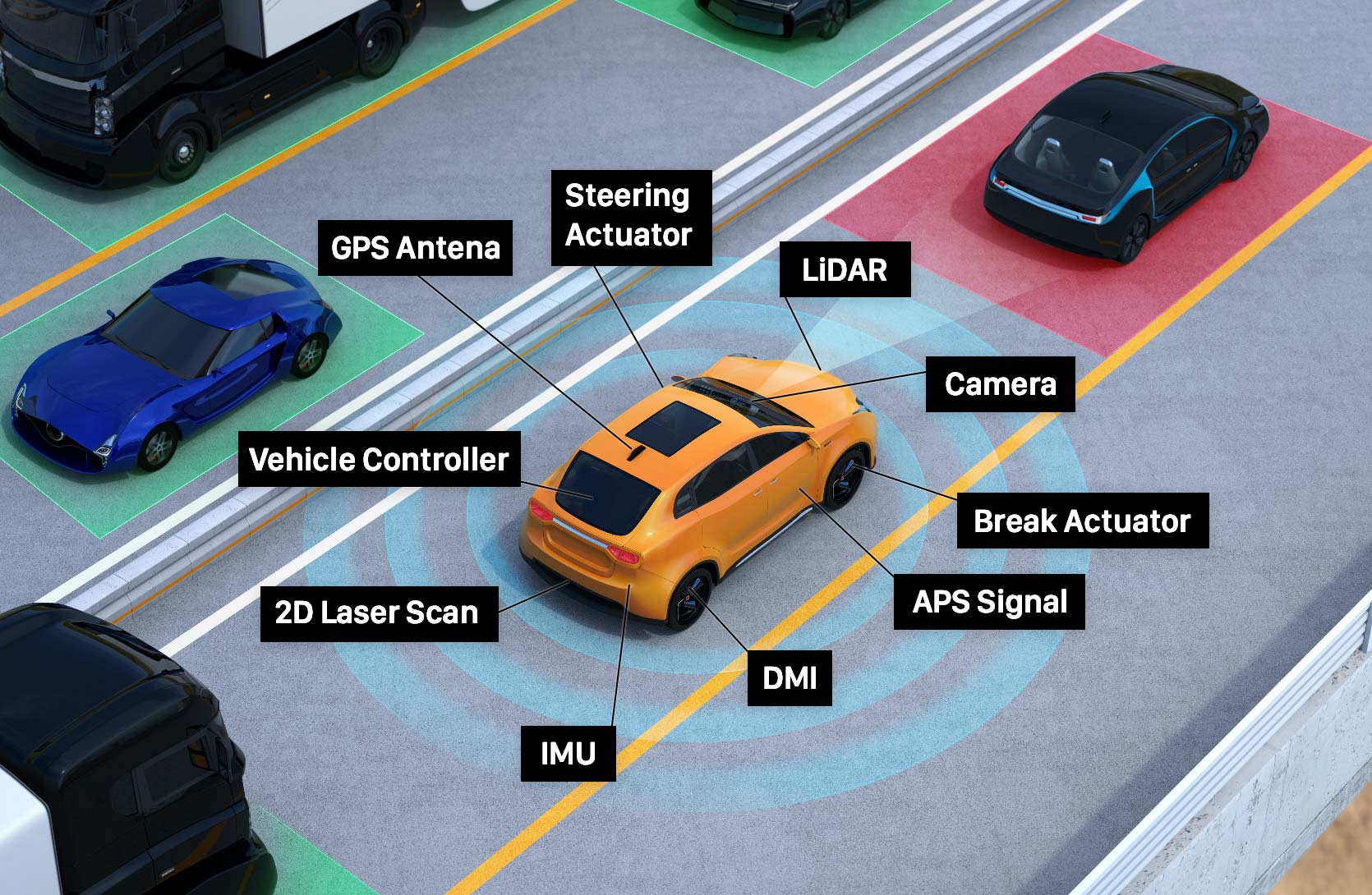
- Lidar (light detection and ranging) uses laser pulses to create detailed 3‑D maps, crucial for advanced driver‑assistance.
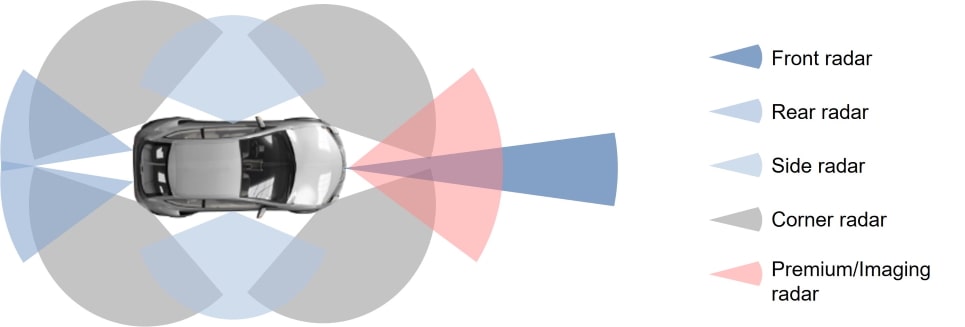
- Radar penetrates fog and rain, providing reliable speed and distance data for adaptive cruise control.
- Visible‑light cameras capture color images that AI can analyze for lane markings, pedestrians, or even facial expressions.
Infrared Sensors
Infrared sensors excel in low‑light scenarios because they don’t rely on visible illumination. In smartphones, IR arrays gauge ambient light to adjust screen brightness seamlessly. In automotive applications, they help activate night‑vision overlays that highlight heat‑emitting objects on the road.
Ultrasonic Sensors
Most drivers encounter ultrasonic tech when a beeping sound warns them of an obstacle while parking. The sensor sends a brief pulse; the time it takes to bounce back determines how far away the object is, often with a margin of error under a centimeter.
Lidar and Radar
Lidar offers centimeter‑level precision but can be pricey and less effective in heavy rain. Radar, by contrast, sacrifices some resolution for robustness in adverse weather. Many modern vehicles combine both, letting each compensate for the other's blind spots.
How Auto Sensing Integrates Into Everyday Devices
Auto sensing isn’t confined to cars. It permeates consumer electronics, building automation, and even industrial machinery.
- Automotive lighting: Adaptive headlights swivel toward the direction of a turn, using a combination of steering angle sensors and ambient light detectors.
- Smartphones: Proximity sensors dim the display when you bring the phone to your ear, while ambient light sensors keep brightness comfortable.
- HVAC systems: Occupancy sensors detect when a room is empty and reduce heating or cooling, saving energy without sacrificing comfort.
- Industrial robotics: Force‑feedback sensors let robots adjust grip strength on the fly, preventing damage to delicate components.
Benefits and Limitations
Auto sensing brings tangible advantages, but it’s not a silver bullet.
- Convenience: Users enjoy hands‑free adjustments that feel intuitive.
- Safety: Collision‑avoidance systems react faster than a human could, reducing accident risk.
- Efficiency: Smart thermostats cut energy bills by tailoring climate control to real occupancy patterns.
- Complexity: More sensors mean more points of failure; a misaligned camera can impair an entire driver‑assist suite.
- Privacy concerns: Cameras and microphones that feed auto‑sensing algorithms also raise data‑security questions.
Future Trends in Auto Sensing
As processing power cheapens and AI algorithms become more adept, sensor data will be fused in increasingly sophisticated ways. Expect to see:
- Edge AI: Tiny neural networks embedded directly in sensors, enabling instant decisions without sending data to a central processor.
- Sensor‑as‑a‑Service: Cloud platforms that aggregate data from millions of devices, offering developers richer context for auto‑sensing applications.
- Full‑stack autonomy: Vehicles that combine lidar, radar, cameras, and ultrasonic arrays into a seamless perception system, edging closer to Level 5 self‑driving.
Frequently Asked Questions
What’s the difference between auto sensing and manual control?
Manual control relies on user input for each adjustment, whereas auto sensing continuously monitors conditions and makes changes automatically. The former offers absolute predictability; the latter prioritizes convenience and often reacts faster than a human could.
Do auto sensing systems need regular calibration?
Most modern systems include self‑diagnostic routines that alert the user when a sensor drifts out of spec. However, extreme conditions—like a dirty camera lens or a misaligned ultrasonic module—may still require periodic manual checks.
Can auto sensing improve safety in my car?
Yes. Features such as adaptive headlights, automatic emergency braking, and lane‑keeping assistance all stem from auto‑sensing technology. While they don’t replace attentive driving, they add layers of protection that can mitigate human error.