Turtle Shell Rot: Causes, Symptoms, and Effective Treatments
If you’ve ever noticed a patch of discoloration or a soft spot on your turtle’s shell, you’re probably looking at a case of shell rot. This condition, while unsettling, is treatable when caught early, and understanding its root causes can make the difference between a quick recovery and a prolonged battle.
What Exactly Is Shell Rot?
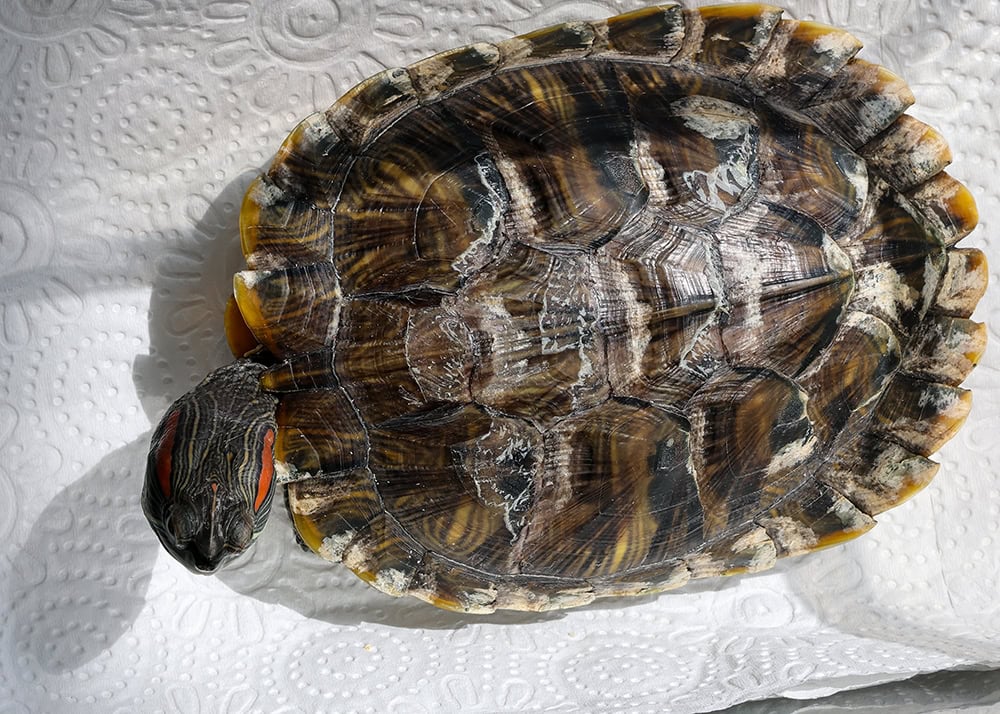
Shell rot isn’t a single disease; it’s a symptom of underlying problems that allow bacteria or fungi to break down the keratin layers of the shell. Think of the shell as a living organ—much like skin, it can become damaged, infected, and even ulcerated.
Common Triggers Behind Turtle Shell Rot
- Excessive Moisture: Constantly damp environments create a breeding ground for opportunistic microbes.
- Poor Water Quality: High ammonia or nitrate levels stress the turtle’s immune system, making infections easier to establish.
- Physical Injuries: Scrapes, cracks, or punctures expose the inner shell layers to pathogens.
- Inadequate Nutrition: Deficiencies in calcium and vitamin D weaken the shell’s structural integrity.
- Unsanitary Habitats: Accumulated waste, algae, or mold on tank walls can directly contaminate the shell surface.
Often, more than one of these factors is at play, creating a perfect storm for rot to develop.
Spotting the Early Signs
Early detection is key. Look for:
- Discolored patches—usually brown, yellow, or black.
- Soft, mushy areas that feel different from the surrounding hard shell.
- Foul odors emanating from the shell or water.
- Behavioral changes, such as reduced appetite or lethargy.
If you notice any of these, it’s time to act before the infection spreads deeper into the shell’s scutes.
Step‑by‑Step Treatment Plan
1. Isolate and Clean
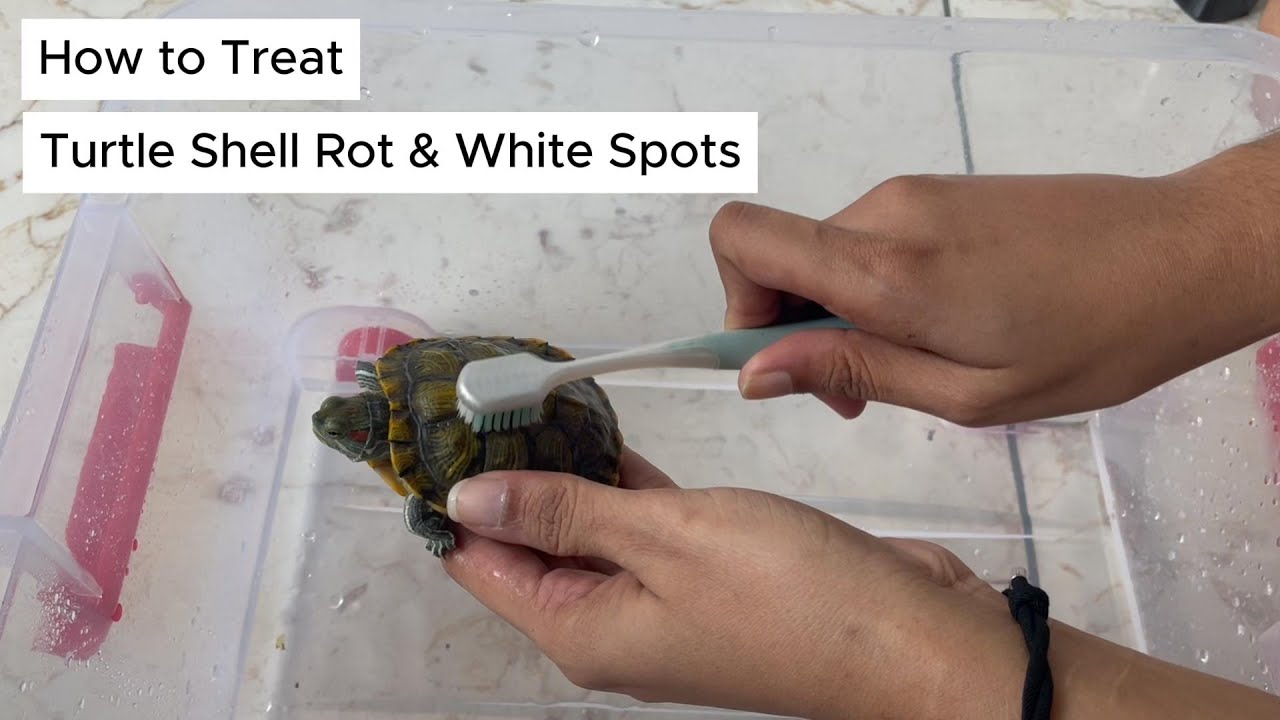
Move the turtle to a quarantine tank with clean, dechlorinated water. Gently scrub the affected area using a soft brush and a diluted povidone‑iodine solution (about 1% concentration). Rinse thoroughly to avoid chemical irritation.
2. Dry the Shell
After cleaning, let the shell air‑dry for a short period. Some keepers place a heat lamp (maintaining a temperature of 85‑90°F) a few inches above the turtle, ensuring the animal can move away if it gets too warm.
3. Antimicrobial Therapy
Topical ointments containing bacitracin or silver sulfadiazine can be applied directly to the wound once daily. For more severe infections, a veterinarian may prescribe oral or injectable antibiotics such as enrofloxacin or doxycycline, targeting both gram‑negative and gram‑positive bacteria.
4. Supportive Care
Boost the turtle’s immune response by offering a balanced diet rich in calcium (e.g., calcium‑supplemented pellets, leafy greens) and ensuring adequate UV‑B lighting for vitamin D synthesis. Hydration is vital, so maintain a shallow water dish where the turtle can soak without submerging its head.
5. Monitor and Adjust
Check the shell every day. If the lesion isn’t improving after a week of consistent care, revisit the vet—there may be resistant organisms or deeper tissue involvement requiring surgical debridement.
Prevention: Keeping Rot at Bay
Prevention is often simpler than treatment. Here are practical steps you can incorporate into routine care:
- Maintain water temperature between 75‑80°F and change 25‑30% of the water weekly.
- Use a reliable filtration system to keep ammonia below 0.5 ppm.
- Provide a dry basking platform where the turtle can fully exit the water and let its shell dry.
- Inspect the shell weekly for tiny cracks; repair them promptly with a non‑toxic epoxy designed for reptiles.
- Offer a varied diet that includes calcium sources, vitamin D3 supplements (if UV‑B is limited), and occasional protein.
When to Call a Veterinarian
Even the most diligent keeper can miss a hidden infection. Seek professional help if you notice any of the following:
- Rapid spread of discoloration or a foul smell that persists after cleaning.
- Signs of systemic illness—persistent lethargy, swollen limbs, or abnormal breathing.
- Visible bone exposure or a deep crater in the shell.
A vet with reptile experience can perform culture tests, prescribe the appropriate antimicrobial regimen, and, if needed, perform surgical debridement under anesthesia.
Frequently Asked Questions
Can shell rot be completely cured?
Yes, most cases respond well to thorough cleaning, targeted antibiotics, and supportive care. The key is early intervention before the infection compromises the underlying bone.
Is UV‑B lighting really necessary?
UV‑B enables turtles to synthesize vitamin D3, which is crucial for calcium absorption. Inadequate UV‑B can weaken the shell, making it more vulnerable to rot.
Can I use regular household disinfectants?
Only those labeled safe for reptiles. Strong chemicals like bleach can irritate the skin and delay healing. Stick to reptile‑approved antiseptics or diluted povidone‑iodine.
How long does recovery usually take?
Recovery time varies with severity. Minor lesions may heal within a week, while extensive rot can take several weeks of dedicated care and regular veterinary check‑ups.