Total Cost of Ownership Explained: A Complete Guide
What Is Total Cost of Ownership (TCO)?
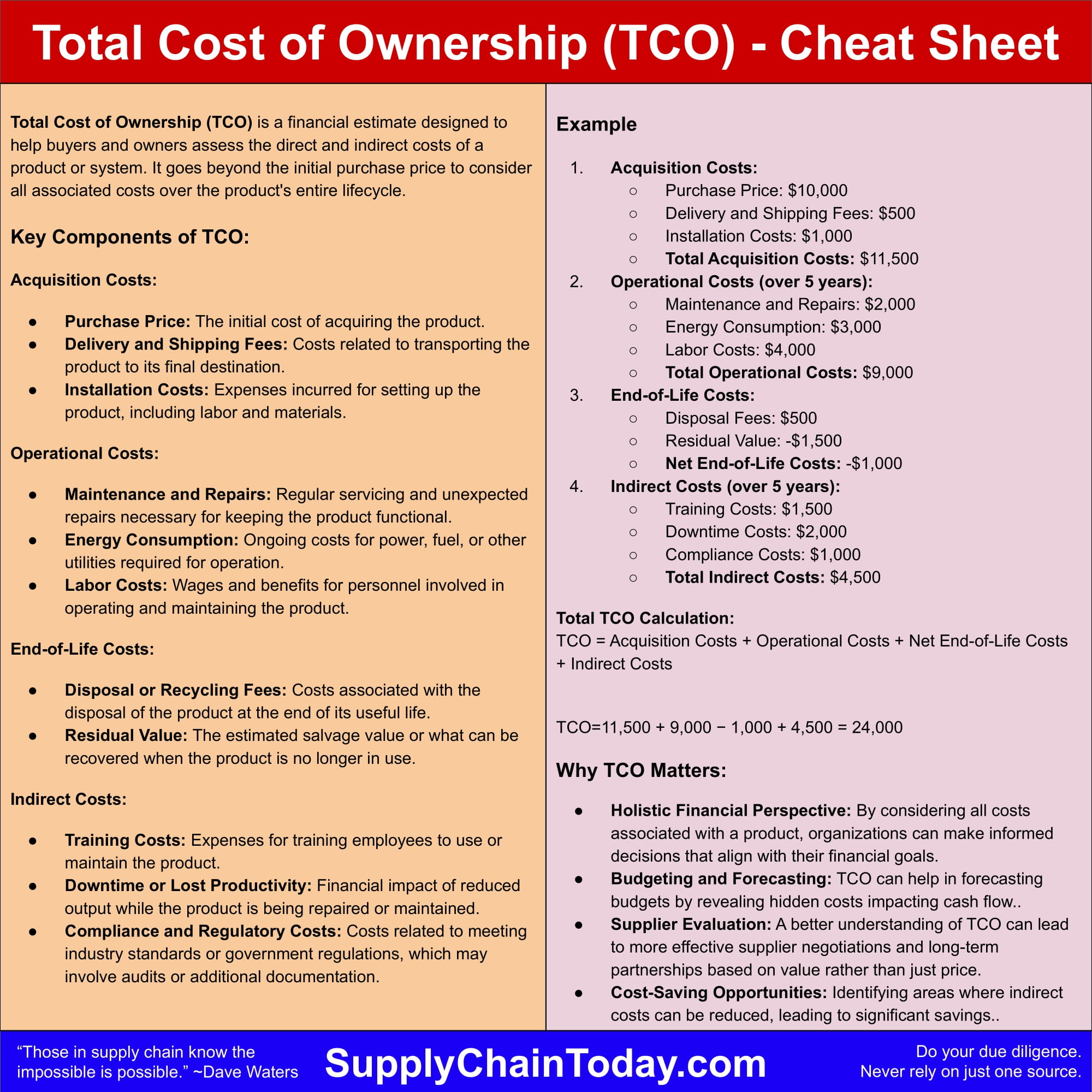
The term total cost of ownership, often shortened to TCO, captures every expense tied to acquiring, operating, and eventually discarding an asset. It goes beyond the sticker price, folding in things like installation, training, maintenance, downtime, and even the environmental impact of disposal. By looking at the full financial picture, businesses can compare options on a level playing field instead of being misled by low upfront costs.
Why TCO Matters for Decision‑Makers
Executives and managers constantly balance short‑term budgets against long‑term profitability. A low purchase price can hide hefty recurring costs that erode margins over time. When TCO is factored in, the true ROI becomes clearer, helping leaders avoid costly surprises and justify capital expenditures to stakeholders.
Key Components of a TCO Calculation
- Acquisition Costs – purchase price, taxes, shipping, and any setup fees.
- Implementation Expenses – integration, customization, and employee onboarding.
- Operating Costs – energy use, consumables, routine maintenance, and support contracts.
- Risk & Downtime Costs – lost productivity when the asset fails or requires upgrades.
- End‑of‑Life Costs – disposal fees, recycling, or resale value.
Steps to Build Your Own TCO Model
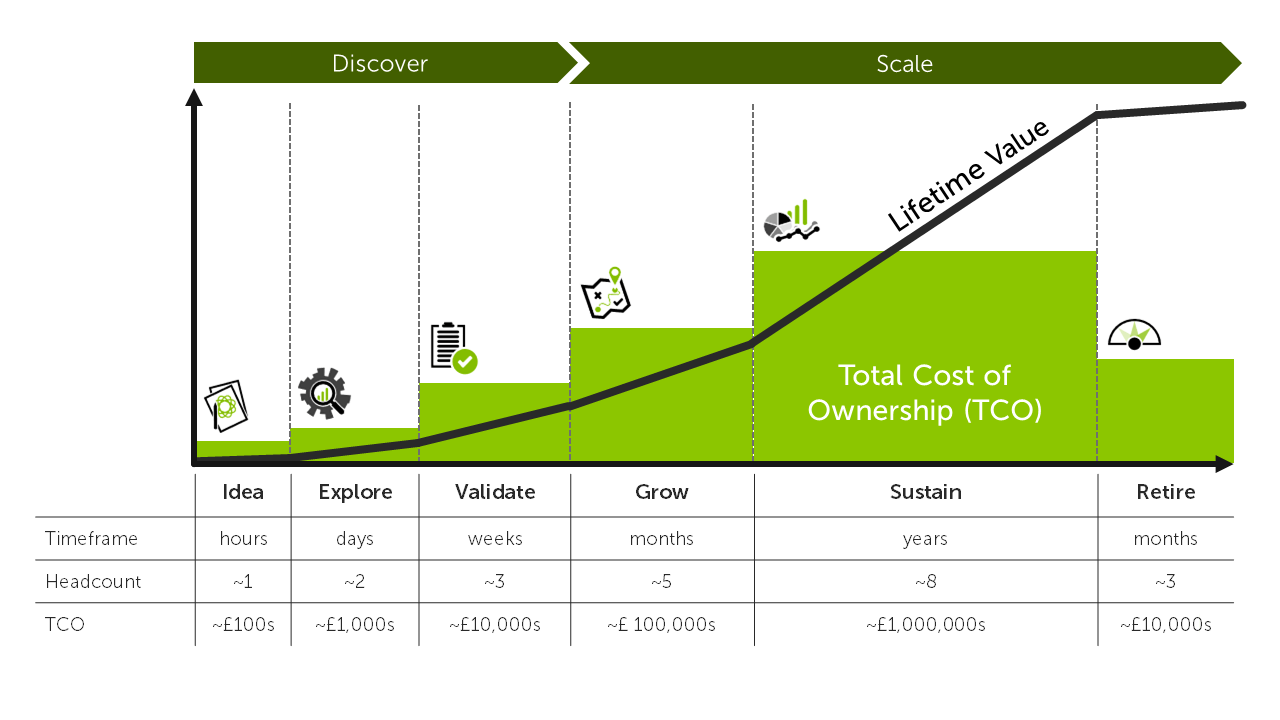
- Define the analysis horizon. Most firms look at five to ten years, but the period should match the asset’s expected life.
- Gather reliable data for each cost category. Supplier quotes, historical maintenance logs, and utility bills are good starting points.
- Assign a discount rate to reflect the time value of money. This converts future expenses into present‑day equivalents.
- Sum the discounted cash flows. The resulting figure is the total cost of ownership you’ll compare against alternatives.
- Validate the model with stakeholders. A quick “what‑if” scenario can reveal hidden sensitivities, such as a spike in energy prices.
Common Pitfalls and How to Avoid Them
One frequent error is treating TCO as a one‑off spreadsheet exercise. In reality, the model needs periodic updates as usage patterns shift or new regulatory fees appear. Another trap is ignoring intangible costs like employee morale when a system is hard to use. To mitigate these issues, embed TCO reviews into the asset’s lifecycle management process and involve cross‑functional teams early on.
Using TCO Across Different Industries
Manufacturing firms often focus on machine downtime and spare‑part inventories, while IT departments weigh licensing fees, bandwidth consumption, and security patches. In the real‑estate world, TCO might include property taxes, insurance, and the cost of retrofitting for sustainability. Though the specific line items differ, the underlying principle—capturing every cost that impacts the bottom line—remains constant.
Practical Example: Choosing Between Two Software Platforms
Imagine a company evaluating two SaaS solutions. Platform A costs $10,000 per year with a $2,000 implementation fee. Platform B charges $7,000 per year but requires $5,000 for integration and $1,500 yearly for extra support. Over a three‑year horizon, a simple TCO calculation (ignoring discounting for brevity) shows Platform A at $36,000 versus Platform B at $38,500. The higher upfront cost of Platform A disappears once you factor in hidden support fees for Platform B, illustrating how TCO can flip an apparent bargain.
Tools and Resources for TCO Analysis
Many ERP systems now include built‑in TCO calculators, and there are niche tools tailored for specific sectors, such as automotive fleet management or cloud infrastructure. Open‑source spreadsheets can also serve as a flexible starting point, especially for small businesses that lack dedicated analytics software.
FAQ
What’s the difference between TCO and ROI?
TCO tallies all costs associated with an asset, while ROI measures the return generated relative to those costs. In practice, you calculate TCO first, then compare it against expected benefits to derive ROI.
Do I need to include environmental costs in TCO?
If sustainability is a corporate priority—or if regulations impose carbon fees—then yes. Adding environmental impact makes the analysis more comprehensive and can uncover hidden savings, such as reduced energy consumption.
How often should I refresh my TCO model?
At a minimum, review it whenever there’s a significant change: a price hike, a new maintenance contract, or a shift in usage volume. Many organizations schedule an annual update to keep the numbers relevant.