The Ultimate Guide to High‑Pressure Water Jet Cleaners
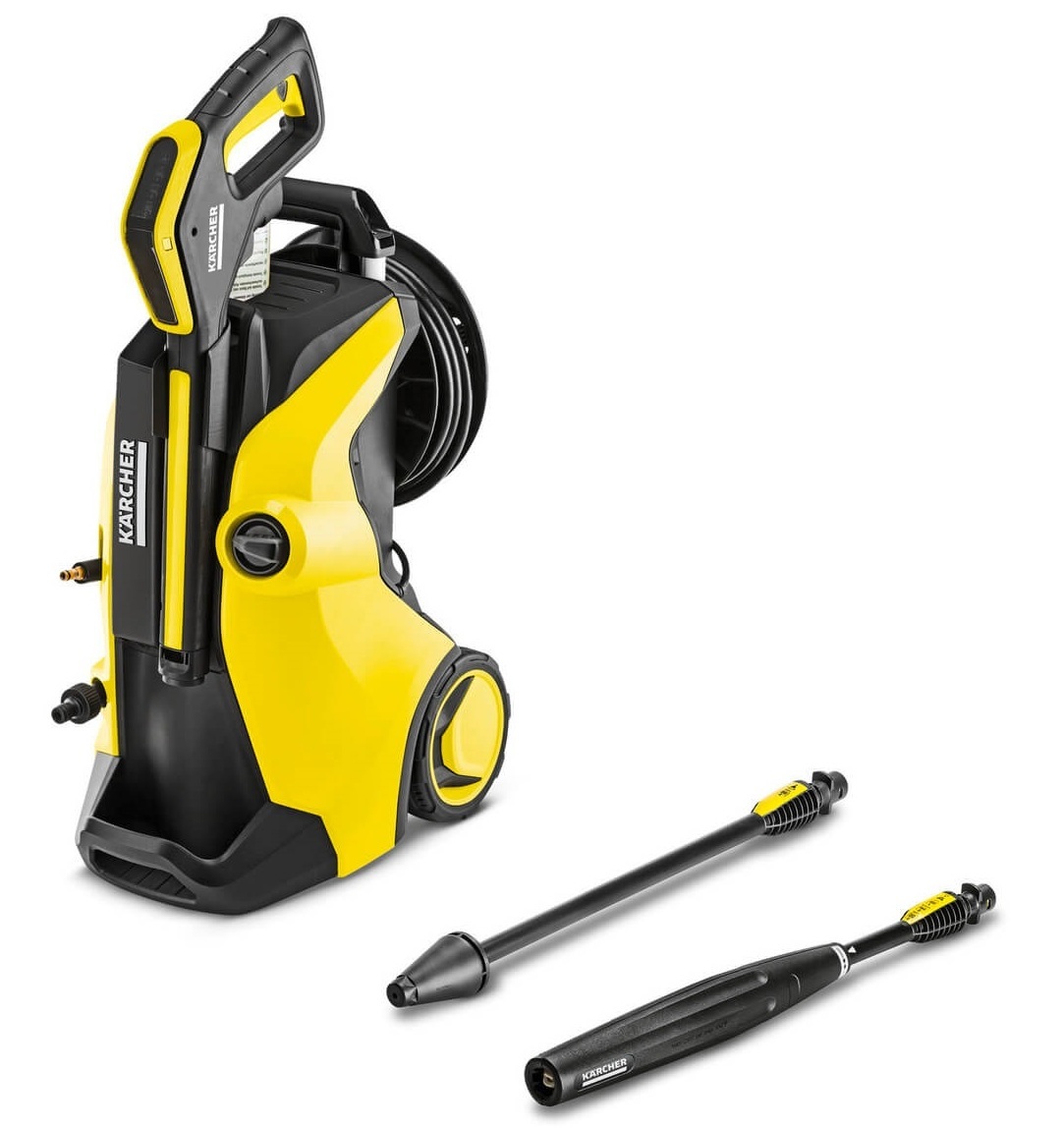
Whether you’re tackling stubborn grease on a garage floor or removing moss from a patio, a high‑pressure water jet cleaner can turn a labor‑intensive chore into a quick rinse. This guide walks you through the technology, buying considerations, safe operation, and upkeep so you can get the most out of your machine without surprise setbacks.
How a High‑Pressure Water Jet Cleaner Works
The core of any unit is a pump that forces water through a narrow nozzle, creating a concentrated stream that can exceed 3,000 psi. That pressure amplifies the kinetic energy of the water, allowing it to break the bonds between dirt and surface. Most models also let you adjust the pressure and flow rate, giving you control over how aggressive the spray should be.
Modern cleaners often feature an electric motor paired with an axial or triplex pump. The former is lighter and ideal for occasional home use, while the latter—driven by a gasoline engine—delivers higher flow for commercial tasks. Understanding this distinction helps you match the tool to your workload.
Key Features to Compare When Shopping
- Pressure range: Look for a minimum of 1,500 psi for residential cleaning; anything above 2,500 psi is usually reserved for tougher jobs like paint removal.
- Flow rate (GPM): A higher gallons‑per‑minute rating means more water reaches the surface, speeding up the job.
- Power source: Electric units are quieter and require less maintenance, while gas‑powered machines offer mobility and higher output.
- Nozzle variety: Interchangeable tips (0°, 15°, 25°, 40°) let you switch from pinpoint blasting to broader coverage.
- Safety accessories: Integrated trigger locks, pressure relief valves, and foam‑suction attachments can prevent accidents and expand the tool’s versatility.
Choosing the Right Model for Your Needs
If you clean a single driveway a few times a year, a compact 1,200‑psi electric cleaner with a 1.2 GPM flow is sufficient. For a small landscaping business that tackles oil‑stained industrial floors, a 3,000‑psi, 2.5 GPM gas‑powered unit will cut cleaning time dramatically.
Don’t overlook ergonomics. A weighted hose can cause fatigue, so look for models with lightweight, reinforced hoses and padded handles. Additionally, check the length of the hose; a longer hose reduces the need to reposition the machine, but it also adds drag and potential pressure loss.
Safety First: Tips for Risk‑Free Operation
High pressure means high risk. Always wear waterproof gloves, safety goggles, and sturdy boots. Never point the nozzle at people, pets, or electrical outlets—water at 2,000 psi can easily penetrate skin or cause short circuits.
Before you start, test the spray on a hidden spot to ensure the surface can tolerate the pressure. If the water rebounds or the material cracks, back off the pressure or switch to a wider‑angle nozzle. Remember to release residual pressure by pulling the trigger after you finish; this prevents accidental discharge when you store the machine.
Maintenance Practices That Extend Longevity
Regular cleaning is simple yet essential. After each use, flush the system with clean water to remove detergent residues and mineral buildup. For units that see frequent use, a monthly inspection of the pump seals and hose connections can catch wear before a leak develops.
When storing the cleaner for an extended period, drain all water, add a splash of antifreeze to the pump (if recommended by the manufacturer), and keep the unit in a dry, temperature‑controlled area. This routine helps avoid corrosion and maintains pump efficiency.
Common Mistakes and How to Avoid Them
- Using too much pressure on delicate surfaces such as painted wood or soft stone can strip finishes. Start low and increase gradually.
- Skipping the detergent when a degreaser is needed. A proper surfactant reduces surface tension, allowing the water jet to lift grime more effectively.
- Neglecting the nozzle. Clogged tips restrict flow and can cause the pump to overheat. Clean or replace nozzles regularly.
- Improper grounding of electric units in wet environments, which raises the risk of electric shock. Use a GFCI outlet and keep cords away from standing water.
Frequently Asked Questions
What pressure is safe for cleaning a car’s paint?
Generally, 1,200–1,800 psi with a 25° nozzle works well. Higher pressure can erode clear coats, so stay on the lower end and keep the spray at a consistent distance of about 12 inches.
Can I use a high‑pressure water jet cleaner on indoor surfaces?
Yes, as long as the area is well‑ventilated and the floor can handle excess moisture. Use a lower pressure setting and a wide‑angle nozzle to avoid water intrusion into cracks or seams.
Do I need special detergent for a gas‑powered cleaner?
Most manufacturers recommend detergents formulated for pressure washers. These products break down oil and grime without damaging seals or the pump.