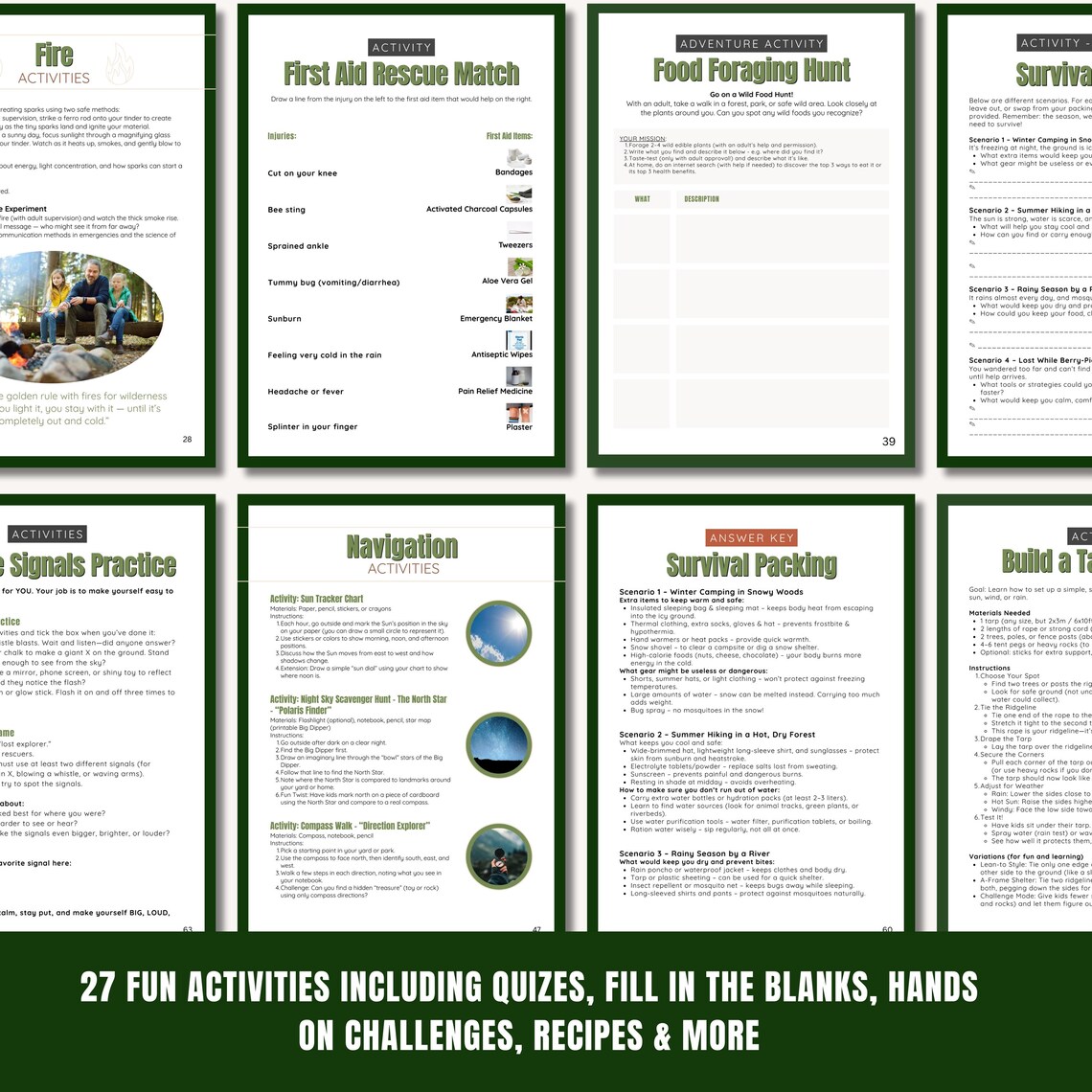
The Beginner’s Roadmap to Naturalist Family Living
Welcome to a naturalist families guide for beginners—a gentle invitation to weave nature into everyday family life. Whether you’re drawn to the scent of pine after a hike or curious about teaching kids to identify local birds, this roadmap offers practical steps, simple philosophies, and a sprinkle of inspiration to help you start.
Why Embrace Naturalism as a Family?
Living naturally isn’t about abandoning modern comforts; it’s about creating a balanced rhythm that honors the outdoors while nurturing strong family bonds. Research shows that regular exposure to green spaces can improve children’s attention spans, lower stress levels, and foster curiosity. For parents, it often translates into shared projects, quieter evenings, and a deeper sense of stewardship.
Start Small: Everyday Practices That Matter
- Morning Light Ritual – Open curtains as soon as you rise and let the sunrise fill the kitchen. A brief moment of sunlight can boost mood and set a calm tone for the day.
- Nature Walks – Choose a nearby park or trail and aim for a 15‑minute stroll after dinner once a week. Encourage kids to spot three new things—maybe a beetle, a leaf shape, or a distant hawk.
- Garden Micro‑Projects – Even a windowsill herb garden teaches responsibility. Let each child tend to a plant, water it, and watch the growth cycle unfold.
Building a Sustainable Home Base
When you feel ready, consider a few modest upgrades that align with naturalist values without breaking the bank. Swapping out single‑use plastic bags for reusable cloth ones, installing low‑flow faucets, and choosing energy‑efficient LED bulbs are small changes that add up. If you have space, a compost bin turns kitchen scraps into nutrient‑rich soil for the garden.
Learning From the Land: Educational Activities
Kids learn best when they can touch, see, and explore. Here are three activities that transform your backyard or local park into a living classroom:
- Leaf Identification Chart – Collect fallen leaves, press them, and note their shapes, veins, and colors. Over time you’ll assemble a mini‑field guide tailored to your region.
- Seasonal Observation Journal – Keep a simple notebook where each family member sketches or writes one observation per week—weather changes, animal tracks, or blooming flowers.
- DIY Bird Feeder – Use a pine cone, peanut butter, and birdseed. Hang it where you can watch visitors from the kitchen window and learn the different species together.
Connecting With Community Resources
Many towns host nature clubs, library talks, or volunteer clean‑up events. Joining a local group not only expands your kids’ horizons but also connects you with like‑minded families. Look for “nature walk” calendars at community centers or ask your pediatrician for recommendations on child‑friendly outdoor programs.
Balancing Screen Time and Green Time
In a digital world, setting clear boundaries helps preserve the magic of outdoor play. A simple rule—one hour of screen time after a minimum of two hours spent outside—creates a healthy equilibrium. For families that love technology, consider nature‑themed apps that encourage identification of plants or stars, turning screen time into a learning tool.
Mindful Moments: Cultivating an Attitude of Wonder
Naturalism is as much a mindset as it is a set of actions. Encourage curiosity by asking open‑ended questions: “What do you think this insect is doing?” or “How does the wind feel on your skin?” Celebrate discoveries, no matter how small, and model gratitude for the environment through simple thank‑yous—like acknowledging a sunny day before a picnic.
FAQ
What does “naturalist family living” actually mean?
It’s a lifestyle where families intentionally incorporate nature into daily routines, from outdoor activities and sustainable home practices to educational experiences that deepen their connection to the environment.
How can I start naturalist habits with toddlers?
Begin with sensory play—letting them feel bark, listen to rain, or watch clouds. Short nature walks, simple gardening tasks, and storybooks about animals are effective ways to nurture an early love for the outdoors.
Is it expensive to adopt a naturalist approach?
Not necessarily. Many foundational steps—like walking in a park, using reusable containers, or starting a small herb garden—require little to no cost. Larger projects, such as solar panels or extensive landscaping, can be phased in over time.
Where can I find reliable information about local wildlife?
Local extension services, nature centers, and reputable field guides (often available at libraries) provide accurate, region‑specific data. Online databases from government wildlife agencies are also trustworthy sources.