Thailand’s Greatest Health Challenges: An In‑Depth Look
Thailand’s biggest health challenges are a mix of age‑old problems and emerging threats, each pulling at the nation’s resources in different ways. From bustling Bangkok to remote villages, the health picture is anything but uniform. Understanding the roots of these challenges helps frame the conversation about what needs to change and what’s already moving in the right direction.
Why the Burden Is Growing
Economic growth over the past three decades lifted millions out of poverty, but it also reshaped lifestyles. Higher disposable incomes mean more processed food, sugary drinks, and sedentary habits. At the same time, rapid urbanisation strains water and sanitation systems, creating pockets where infectious diseases can still thrive. Add an ageing population to the mix, and the health system faces pressure from both ends of the age spectrum.
Non‑Communicable Diseases Dominate
Heart disease, diabetes, and cancer now account for roughly three‑quarters of all deaths in Thailand. The rise is linked to diet and activity patterns that mirror many high‑income nations.
- Cardiovascular disease – High blood pressure and cholesterol are increasingly common, especially among men in their 40s and 50s.
- Type‑2 diabetes – The International Diabetes Federation estimates that about 10 % of Thai adults have diabetes, a figure that’s edging upward each year.
- Cancer – Lung, liver, and colorectal cancers lead the national cancer registry, with smoking and alcohol use still significant contributors.
Obesity rates have doubled since the early 2000s, and with them comes a cascade of metabolic disorders. While the government has rolled out public‑health campaigns, cultural preferences for rich, fried foods make behavior change a slow process.
Infectious Diseases Still a Threat
Even as chronic illnesses climb, Thailand cannot ignore its infectious disease legacy. Dengue fever, for instance, spikes every rainy season, overwhelming hospitals in the south and central regions. Recent years have seen record‑high case numbers, prompting emergency vector‑control measures that often struggle against dense urban habitats.
Other persistent infections include:
- Malaria in border provinces, especially among migrant workers.
- Tuberculosis, with drug‑resistant strains emerging in some urban clinics.
- HIV/AIDS, where new infections have plateaued but stigma hampers testing and treatment uptake.
These illnesses highlight gaps in surveillance, public education, and rapid response capabilities.
Access and Equity Gaps
Thailand’s universal health coverage scheme, launched in 2002, dramatically improved basic care access. Yet disparities linger. Rural hospitals often lack advanced diagnostic tools, forcing patients to travel long distances for specialist care. Meanwhile, the ageing rural populace faces mobility issues and limited home‑based services.
Socio‑economic status also colors health outcomes. Families in low‑income neighborhoods report higher rates of smoking and lower rates of preventive screenings. Women in remote areas may miss cervical cancer checks due to cultural barriers and limited clinic hours.
Policy Responses and Future Outlook
The Ministry of Public Health has introduced several initiatives aimed at curbing the twin tides of non‑communicable and infectious diseases. Notable programs include:
- Healthy Lifestyle Campaigns that promote physical activity in schools and workplaces.
- Integrated Dengue Surveillance using mobile reporting apps to map hotspots in real time.
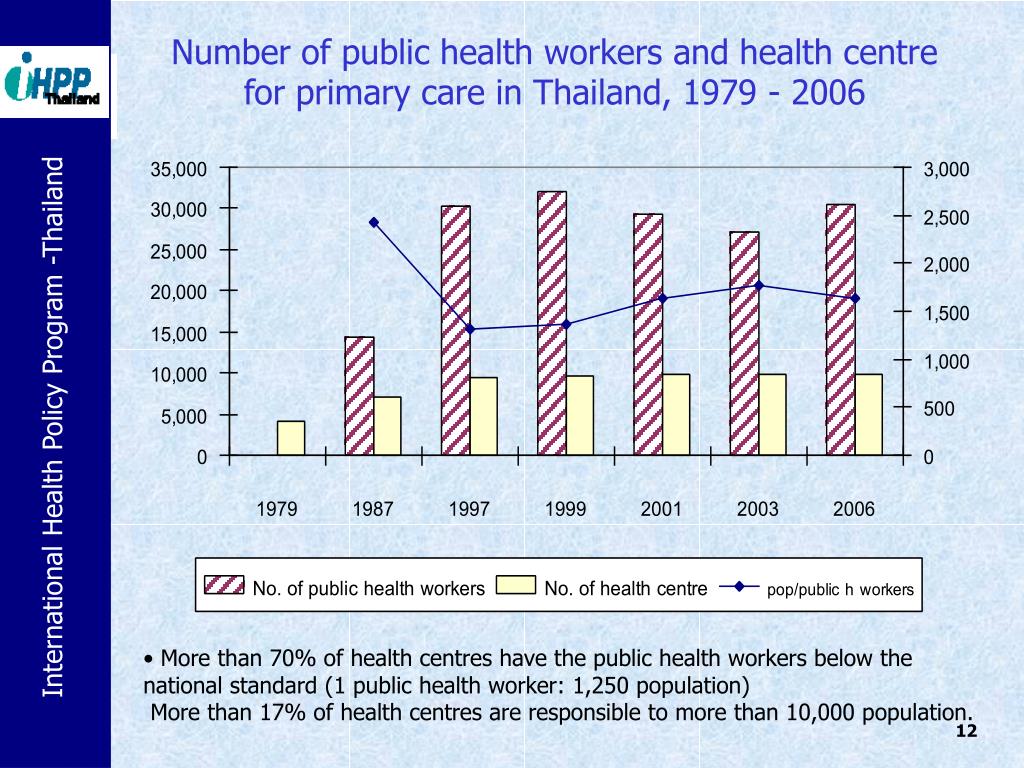
- Expanded Primary Care Networks that train community health workers to deliver basic screenings in underserved regions.
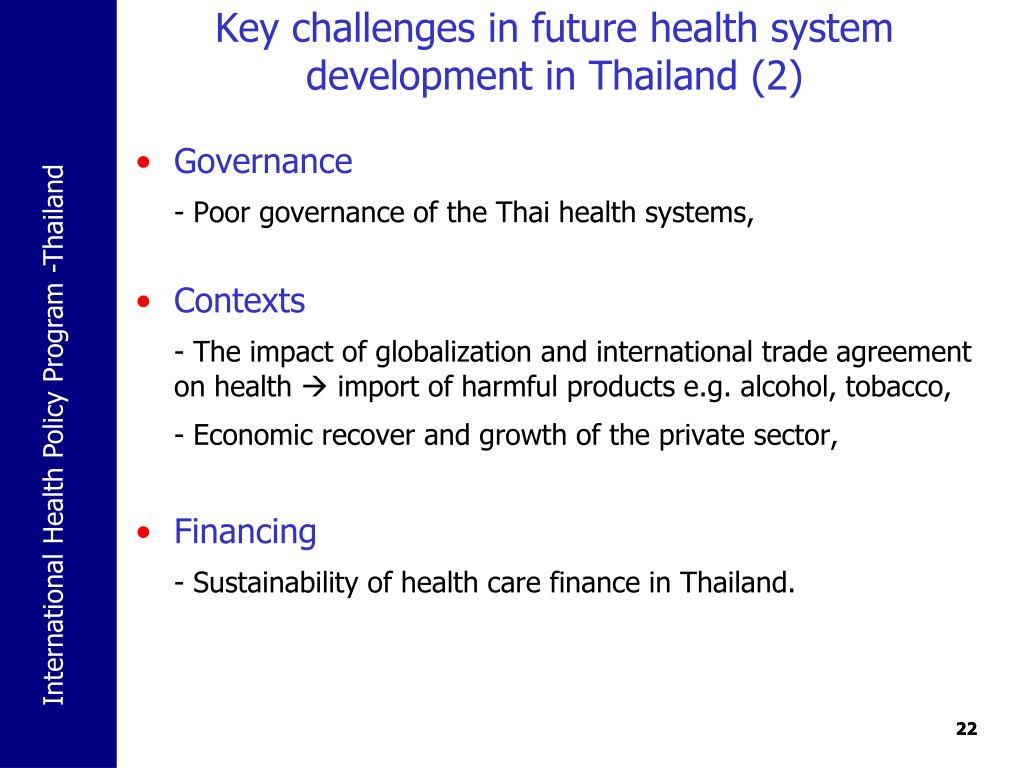
Despite these efforts, funding constraints and a shortage of trained physicians remain hurdles. International partnerships, especially with WHO and regional research institutions, are helping to fill knowledge gaps, but long‑term sustainability will depend on domestic investment and political will.
What Individuals Can Do
While systemic change is essential, personal choices still matter. Reducing sugar intake, walking or cycling instead of driving, and getting regular health check‑ups can lower the risk of chronic disease. For those living in dengue‑prone areas, eliminating standing water around homes and using insect‑repellent are simple yet effective steps.
Frequently Asked Questions
What are the leading causes of death in Thailand?
Cardiovascular disease, cancer, and diabetes top the list, together accounting for about 70 % of all deaths.
How is the government tackling dengue outbreaks?
Authorities deploy a mix of mosquito‑larvae control, community clean‑up drives, and real‑time case mapping via mobile apps to target interventions where they’re needed most.
What steps can individuals take to reduce chronic disease risk?
Adopting a balanced diet rich in vegetables, staying physically active for at least 150 minutes a week, avoiding tobacco, and attending regular medical screenings are key preventive measures.