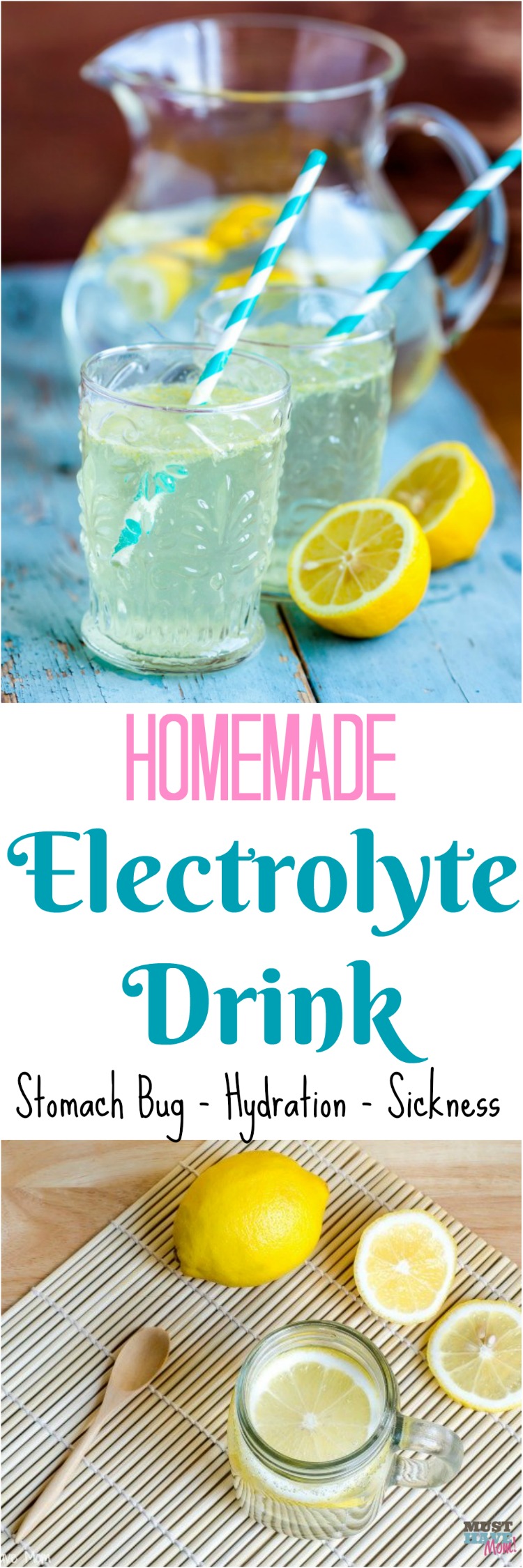
Mix Up Your Own Pocari Sweat: A Simple DIY Electrolyte Drink
We’ve all been there. You’ve just finished a sweaty workout, played a humid round of tennis, or spent too long in the summer heat. Your throat is dry, your head feels a little fuzzy, and the convenience store’s selection of neon-colored sodas just doesn’t cut it. You want something that actually rehydrates you, not something that just tastes sweet. That’s where Pocari Sweat nails it. But let’s be honest—industrial sports drinks can carry a hefty price tag and a load of ingredients you don’t necessarily need.
Enter the world of homemade electrolyte drinks. Making your own version of Pocari Sweat is surprisingly simple, costs pennies per batch, and allows you to control exactly what goes into your body. It’s not just about saving money; it’s about crafting a beverage that soothes your cells without the artificial aftertaste. If you’ve ever wondered how to replicate that specific, balanced refreshment at home, you’re in the right place.
Why Bother Making Your Own Electrolyte Drink?
The appeal of a DIY approach goes far beyond the novelty of kitchen science. Commercial electrolyte solutions are engineered for shelf stability and mass appeal. This often means they rely on high-fructose corn syrup, artificial electrolytes like sodium citrate, and preservatives like potassium sorbate. While effective for acute rehydration in professional athletes, their daily utility for the average person is debatable.
When you make your own, you swap refined sugars for natural options like cane sugar or honey. You control the salinity, adding just enough sea salt or Himalayan pink salt to trigger water absorption in the small intestine without making the drink taste like the ocean. Plus, there’s the psychological satisfaction of mixing something with your own hands. It’s a ritual. It’s fresh. And frankly, it often tastes better because you can adjust the sweetness and acidity to your personal palate.
The Science Behind the Sip
To understand why Pocari Sweat works, you have to look at the chemistry of hydration. Water alone isn’t always enough. When you sweat, you lose electrolytes—primarily sodium and potassium. Drinking plain water when you’re depleted can sometimes dilute your remaining electrolytes further, leading to a condition called hyponatremia in extreme cases, or just general sluggishness in moderate ones.
A proper oral rehydration solution (ORS) needs a specific balance of sodium, chloride, and glucose. The glucose helps transport the sodium across the intestinal wall, pulling water along with it. This is the "sodium-glucose cotransport" mechanism. Our homemade recipe mimics this by combining cane sugar (for glucose), salt (for sodium), and citrus (for potassium and flavor). It’s not a medical-grade ORS for severe diarrhea, but for everyday hydration after exercise or mild dehydration, it’s highly effective.
The DIY Pocari Sweat Recipe
You don’t need a chemistry set to make this. You need four basic ingredients that probably already sit in your pantry. The ratio is key here. Too much salt makes it unpalatable; too little sugar fails to aid absorption. This ratio is tested and balanced for general consumption.
- 1 liter (4 cups) of filtered water: Start with cold water for immediate refreshment.
- 2 tablespoons of cane sugar: You can substitute with coconut sugar or honey, but cane sugar matches the original profile best.
- ½ teaspoon of sea salt: Regular table salt works, but unrefined sea salt or pink Himalayan salt adds trace minerals and a smoother taste.
- ¼ cup of fresh lemon or lime juice: This provides acidity, potassium, and that zesty kick. Fresh is non-negotiable here; bottled juice has a metallic tang that ruins the profile.
The process is straightforward. Dissolve the sugar and salt in a small amount of warm water first to ensure they break down completely. Pour this concentrated mix into a pitcher, add the remaining cold water, and stir in the citrus juice. Taste it. If it’s too salty, add a squeeze more lemon. If it’s too tart, a pinch more sugar balances it out. This flexibility is the beauty of the DIY method.
Customizing Your Blend
Once you have the base down, you can experiment. Want a tropical twist? Add a splash of pineapple juice or coconut water. Coconut water is particularly rich in natural potassium, making it an excellent booster for this drink. If you’re feeling fancy, muddle a few mint leaves or cucumber slices into the mix for a spa-like elegance. These additions don’t dilute the electrolyte function; they enhance the sensory experience, making hydration something you look forward to rather than endure.
Shelf Life and Storage Tips
Unlike store-bought bottles packed with preservatives, your homemade electrolyte drink is perishable. Because it contains fresh juice and natural sugars, it provides a perfect environment for bacterial growth if left unattended. Always store it in a sealed container in the refrigerator. It will keep for about three to five days.
I recommend making small batches rather than a gallon-sized concoction. A 1-liter batch is usually sufficient for a family or for an individual over a couple of days. If you notice any off-smells, fizzing, or cloudiness that wasn’t there before, toss it. It’s not worth the risk of an upset stomach, especially when you’re trying to recover from dehydration.
Frequently Asked Questions
Can I use diet sweeteners instead of sugar?
You can, but it’s not ideal for hydration purposes. The original science of oral rehydration relies on glucose to help absorb sodium in the gut. Artificial sweeteners and zero-calorie substitutes don’t facilitate this transport mechanism in the same way. If you’re strictly avoiding sugar for health reasons, you’ll still get some hydration from the salt and water, but you won’t get the full synergistic benefit of the electrolyte-glucose protocol. For post-intense exercise, stick to real sugar. For light refreshment, a drop of stevia might suffice.
Is this drink better than Gatorade or standard Pocari Sweat?
"Better" is subjective. Commercial drinks are consistent, convenient, and formulated for rapid, intense rehydration in elite athletic contexts. This homemade version is cleaner, cheaper, and tastes more natural. For everyday active lifestyles, hiking, and gym sessions, the homemade version is often superior due to the lack of artificial dyes and preservatives. For marathon runners or extreme endurance events, stick to the scientifically tested commercial brands or a medical-grade ORS.
Can I make this in a large batch for meal prep?
Yes, but be mindful of the shelf life. You can scale the recipe up by multiples, but keep it refrigerated and consume it within four days. If you live in a very hot climate without reliable AC, make smaller batches more frequently. The lemon juice can oxidize and turn bitter over time, affecting the flavor profile even if the drink is still technically safe to drink.