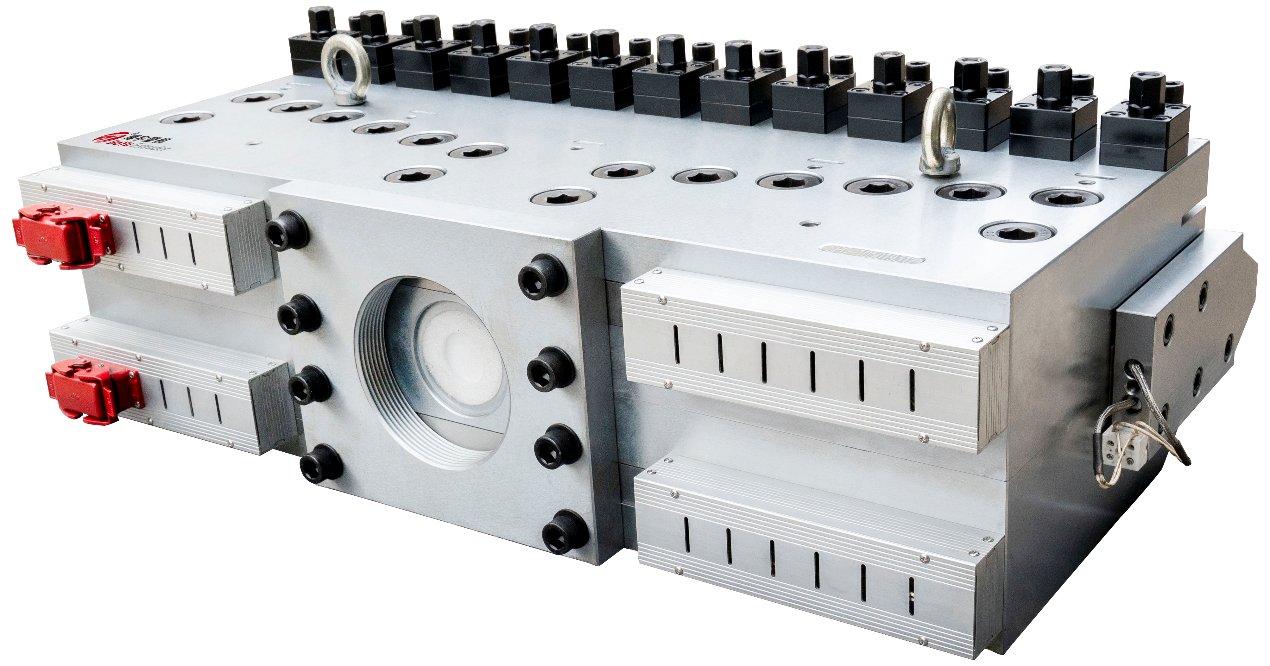
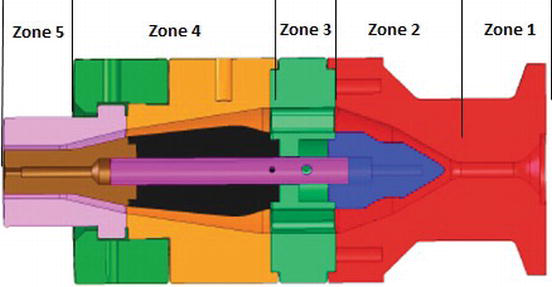
Mastering Plastic Extrusion Die Design: A Step‑by‑Step Guide
What Makes a Good Extrusion Die?
At its core, plastic extrusion die design is the art of shaping molten polymer into a precise, repeatable profile. Whether you’re producing garden hoses, window frames, or intricate medical tubing, the die is the silent workhorse that determines wall thickness, surface finish, and dimensional tolerance. Getting the geometry right means fewer scrap runs, smoother downstream processing, and a happier client.
Fundamentals of Plastic Extrusion Die Design
Before you dive into CAD models, it helps to understand the three pillars that support every successful die:
- Flow balance – The molten polymer must travel at equal velocity through each land (the part of the die that shapes the product). Imbalance leads to thick‑spots or weak points.
- Thermal management – Heat must be removed uniformly to prevent premature cooling or overheating, both of which can cause surface blemishes.
- Mechanical strength – The die must withstand high pressures (often 2,000–5,000 psi) without warping.
These principles translate into a series of design decisions that we’ll unpack one by one.
Key Components and Their Roles
Think of a die as a small city built around a river of polymer. Each “district” serves a purpose:
- Feed block – Directs the melt from the extruder into the die, usually with a tapered entry to reduce turbulence.
- Land sections – The narrow channels that shape the cross‑section. Their length, width, and surface finish dictate final dimensions.
- Cooling channels – Typically a network of drilled or milled passages that circulate water or oil. Uniform cooling prevents warping.
- Vent paths – Small escape routes for trapped gases; without them you’ll see bubbles or “burn” marks on the product.
Designing each component in isolation is tempting, but the real challenge lies in how they interact.
Design Considerations That Matter
Here’s a checklist that most seasoned engineers run through before finalizing a die:
- Profile complexity – Simple round tubes need only one land, while multi‑wall or hollow sections demand multiple, nested lands. More lands increase pressure drop, so balance is critical.
- Material selection – High‑temperature alloys such as H13 tool steel or Inconel are common for high‑pressure applications. For lower‑stress jobs, hardened steel can save cost.
- Surface finish – A polished land surface (Ra ≤ 0.4 µm) reduces friction, helping maintain a stable melt front and improving product gloss.
- Thermal gradients – Use CFD (computational fluid dynamics) simulations to map temperature across the die. Aim for less than a 10 °C difference between the hottest and coolest points.
- Ease of maintenance – Include removable inserts or modular sections so that wear‑prone areas can be swapped without scrapping the entire die.
When you line up these factors, you’ll notice trade‑offs. For instance, tighter tolerances often mean a longer cooling circuit, which can raise the die’s weight and cost. The key is to prioritize based on the end‑product’s performance requirements.
Common Pitfalls and How to Avoid Them
Even seasoned designers stumble over a few recurring issues:
- Uneven flow distribution – If one land sees higher velocity, the wall thickness will vary. Mitigate this by adding flow‑balancing ribs or adjusting land lengths.
- Hot spots in the feed block – Over‑heating can degrade polymers, especially heat‑sensitive grades. Incorporate additional cooling jackets or use a lower extrusion temperature.
- Excessive pressure drop – Too many lands or overly narrow channels increase the required extruder torque. Run a pressure‑drop calculation early and iterate the geometry.
- Wear and tear on vents – Vents can clog with polymer residues. Design them with a slight taper and consider periodic cleaning schedules.
Spotting these problems early—often through a quick prototype run or a 3‑D printed mock‑up—can save weeks of trial‑and‑error on the shop floor.
Materials, Coatings, and Maintenance Tips
Choosing the right alloy is only half the battle; surface treatments can dramatically extend die life. Nitriding, chrome plating, or even diamond‑like carbon (DLC) coatings reduce adhesion of polymer melt and improve wear resistance. Schedule routine inspections every 10 hours of production: look for pitting, corrosion, or changes in land dimensions.
When you notice a drop in product quality, the first thing to check is the cooling water temperature. Even a 2 °C rise can shift the melt viscosity enough to affect flow balance. Adjust the water flow rate before you consider a costly die rebuild.
Putting It All Together: A Mini‑Workflow
Below is a streamlined process that many manufacturers follow, from concept to commissioning:
- 1. Define product specs – Tolerances, wall thickness, material grade.
- 2. Sketch initial land geometry – Use simple drafting tools; focus on symmetry.
- 3. Run CFD & pressure‑drop analysis – Identify hot spots and high‑pressure zones.
- 4. Choose material & coatings – Based on pressure, temperature, and abrasive potential.
- 5. Create detailed CAD model – Include cooling channels, vents, and mounting points.
- 6. Manufacture prototype – Often via CNC machining; test fit on the extruder.
- 7. Conduct trial runs – Adjust flow balances, tweak cooling rates, record data.
- 8. Finalize design & produce production die – Incorporate any revisions from the trial phase.
This iterative approach reduces the risk of costly redesigns and helps keep your production schedule on track.
FAQ
Q: How do I know if my die needs re‑coating?
A: Look for a gradual increase in surface roughness or a rise in required extrusion pressure. If either symptom appears consistently over a few weeks, a fresh coating can restore performance.
Q: Can I use a single‑piece die for multi‑wall profiles?
A: It’s possible, but a modular die with interchangeable inserts often offers better flexibility and easier maintenance when you need to switch between product variants.
Q: What cooling fluid is best for high‑temperature polymers?
A: Water works for most applications, but for polymers processed above 250 °C, oil‑based coolants provide higher thermal stability and reduce the risk of boiling.
Q: Is CFD simulation worth the investment for small‑batch runs?
A: Even a basic CFD model can flag major flow imbalances that would otherwise cause scrap. For low‑volume projects, a simplified simulation usually pays for itself in reduced trial‑and‑error time.