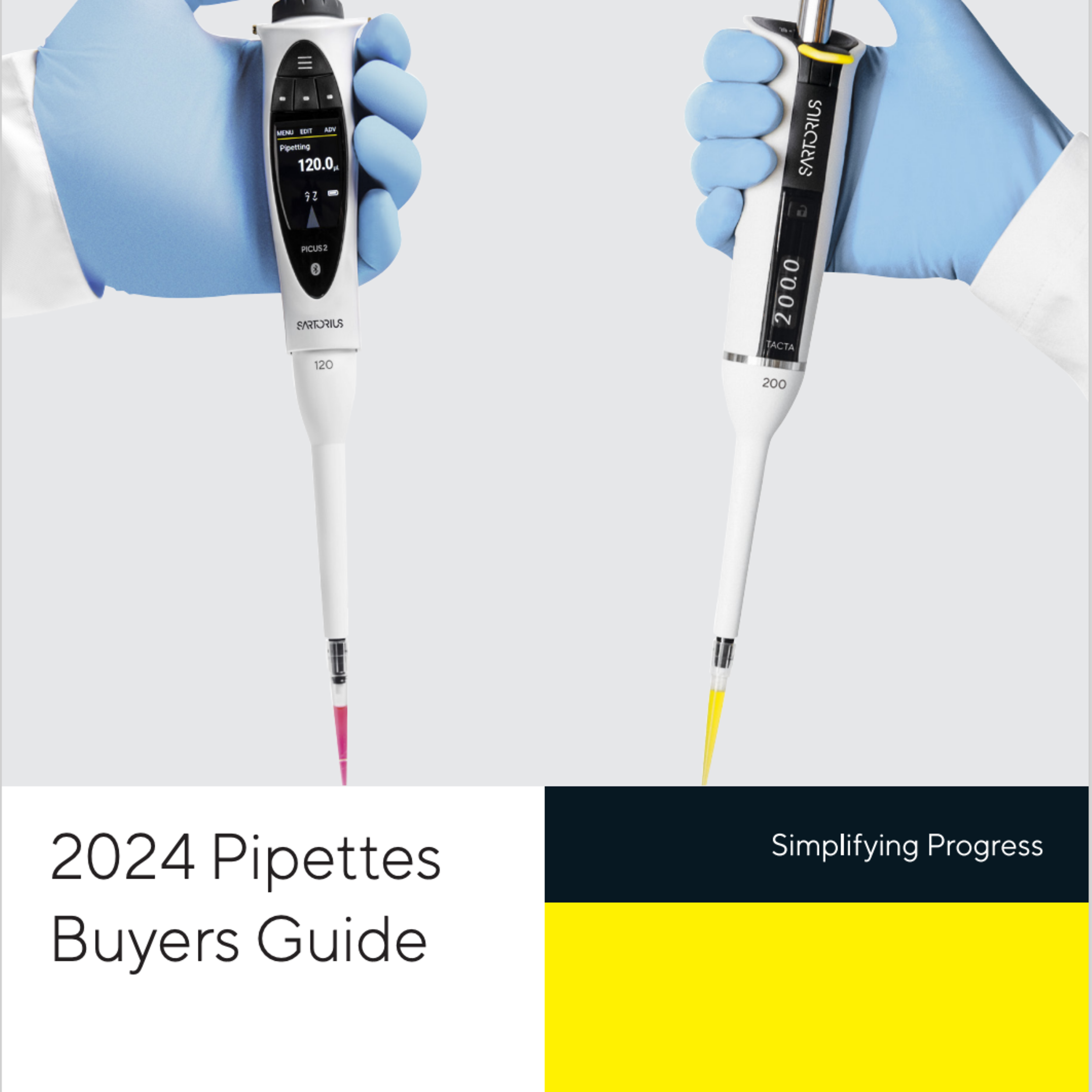
Mastering Pipettes: The Ultimate Guide to Accurate Liquid Handling
Pipettes are the unsung heroes of every lab bench. Whether you’re preparing a PCR mix, titrating a drug, or running a cell culture, the reliability of your results hinges on how well you handle liquid volumes. This guide walks you through choosing the right device, setting up a routine, and refining your technique so every drop counts.
Why Mastery Matters: The Impact on Your Results
Even a 1% error in volume can skew dose–response curves, compromise assay sensitivity, and lead to costly repeat experiments. Accuracy and precision are regulated in many fields—clinical diagnostics, pharmaceutical development, and environmental testing all demand documented reliability. Mastering pipette technique reduces variability, enhances reproducibility, and saves both time and reagents.
Choosing the Right Pipette: Types and Use Cases
Manual and electronic pipettes both have their place, but the choice depends on volume range, throughput, and budget. Single‑channel devices are great for low‑volume, high‑precision work, while multi‑channel units accelerate repetitive tasks such as plate loading.
- Manual single‑channel – 1–10 µL, 10–1000 µL, 1000–10 000 µL
- Manual multi‑channel – 1–10 µL (8‑channel), 10–100 µL (8‑channel)
- Electronic single‑channel – 0.5–2000 µL, ideal for high‑throughput labs
- Positive‑displacement – 0.1–50 µL, essential for viscous or volatile liquids
Key Features to Compare
- Volume range and resolution
- Accuracy/precision specifications (±0.5 % to ±2.5 %)
- Tip compatibility and dead space
- Ergonomic design and force requirements
- Calibration support (auto‑cal, electronic logs)
Getting Started: Calibration and Maintenance Basics
Calibration isn’t a one‑time event. Most institutions require recalibration every three to six months, or whenever you change pipette models or move equipment.
Step‑by‑Step Calibration Routine
- Set the pipette to a mid‑range volume (e.g., 50 µL for a 1–1000 µL model).
- Use a calibrated balance or gravimetric method to weigh a known volume.
- Adjust the internal dial or electronic setting until the measured volume matches the target.
- Record the adjustment and repeat for at least three replicate measurements.
- Verify accuracy at the lower and upper limits of the range.
Techniques That Make a Difference
Beyond the machine, your hand and habits determine the real precision of a pipette. Consistency in angle, speed, and tip placement cuts down on systematic error.
- Tip Selection: Use the smallest tip that fits the volume to reduce dead space.
- Pre‑wetting: Aspirate and dispense the liquid once or twice before the actual measurement to equilibrate the tip surface.
- Consistent Angle: Hold the pipette at 5–10° to the vertical while aspirating; keep it vertical during dispensing.
- Slow Release: Let the liquid drain fully without forcing the plunger to avoid droplets.
- Hold the Plunger: After dispensing, press the plunger fully to ensure all liquid is released.
Common Mistakes and How to Avoid Them
- Using tips that are too large or too small for the volume.
- Rapid aspiration that creates air bubbles.
- Dispensing before the pipette is fully seated in the tube.
- Changing the pipette between different liquid viscosities without recalibration.
Troubleshooting Everyday Problems
Even a seasoned user will encounter hiccups. Identifying the root cause quickly keeps experiments on track.
Quick Fixes
- Tip Adhesion: Rinse the tip with the solution before the first dispensing cycle.
- Bubbles: Slow down the aspiration, or pre‑wet the tip.
- Leakage: Replace the tip or check for bent plunger seals.
- Miscalibration: Recalibrate at the specific volume used and verify against a balance.
Going Advanced: Electronic Pipettes and Automation
Electronic units bring programmability, reduced hand fatigue, and real‑time error alerts. For labs running dozens of pipetting steps daily, integration with liquid handling robots can dramatically increase throughput while keeping error rates low.
Resources for Continuous Improvement
Keep your skills sharp by tapping into the following:
- Manufacturer’s training modules (often free online).
- Peer‑reviewed articles on pipetting best practices.
- Webinars from professional societies like the American Chemical Society