Mastering Financial Modeling in the Energy Sector: A Step‑by‑Step Guide
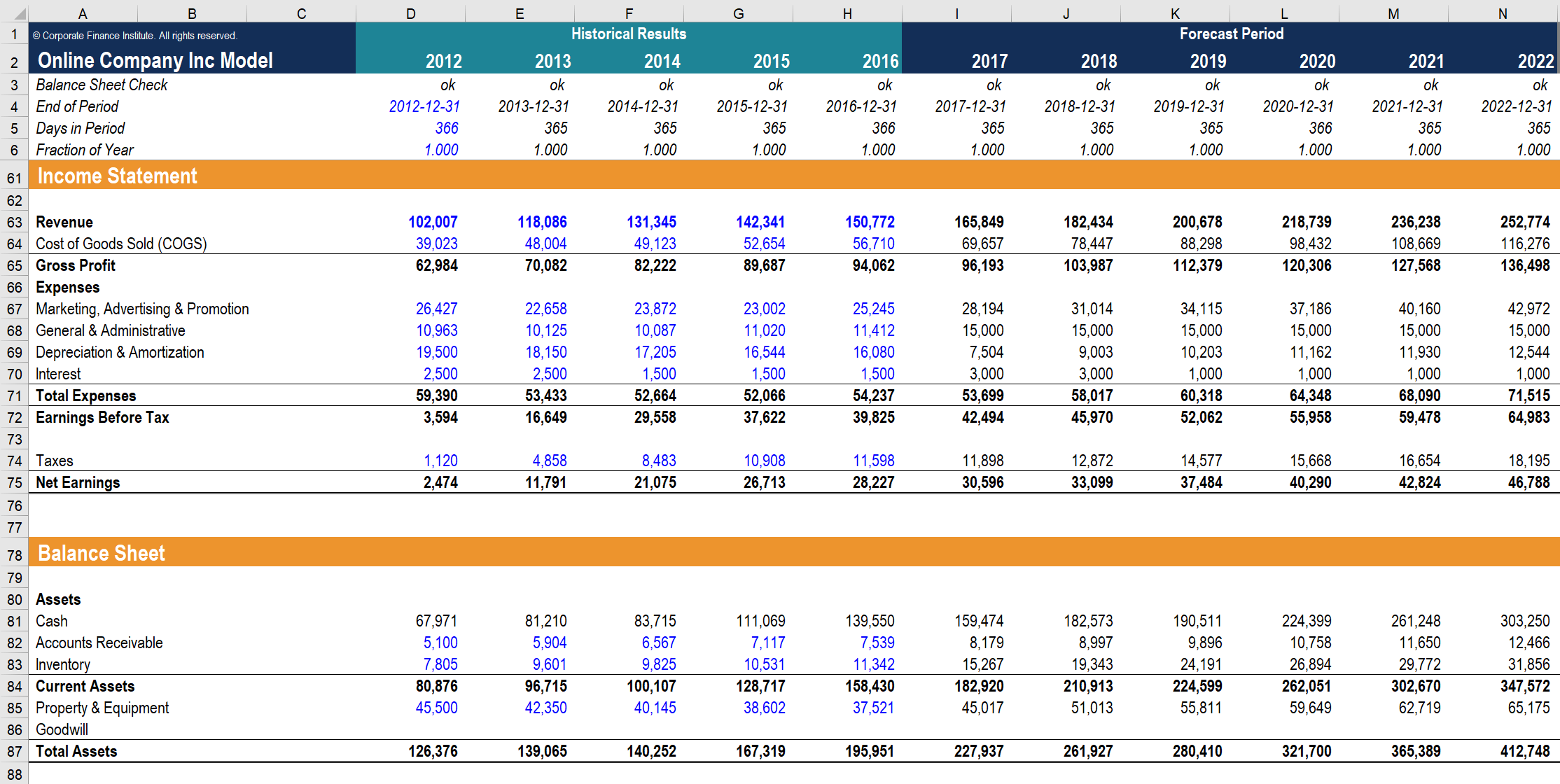
Financial modeling in the energy sector is more than just spreadsheets; it’s a bridge between raw data and strategic decisions. Whether you’re evaluating a solar farm, a natural‑gas pipeline, or an oil refinery, a well‑built model turns numbers into insight. In this guide we walk through the core concepts, practical steps, and common pitfalls that professionals face when modeling energy projects.
Key Components of Financial Modeling in the Energy Sector
At its heart, a financial model for an energy asset typically contains five intertwined layers:
- Revenue Projections – Price assumptions, demand curves, and contract structures (e.g., power purchase agreements or feed‑in tariffs).
- Cost Breakdown – Capital expenditure (CAPEX), operating expense (OPEX), maintenance schedules, and tax considerations.
- Financial Structure – Debt versus equity, interest rates, covenants, and exit options.
- Regulatory & Policy Inputs – Subsidies, carbon pricing, and environmental compliance costs.
- Sensitivity & Scenario Analysis – What‑if testing for commodity prices, policy shifts, or technology disruptions.
Each layer feeds into the next, so the accuracy of early inputs is critical. A small misestimation in fuel cost can ripple across EBITDA, cash flow, and ultimately the internal rate of return (IRR).
Step‑by‑Step: Building the Model
1. Define the Asset’s Life Cycle
- Identify construction, operational, and decommissioning phases.
- Assign realistic timelines (e.g., 5‑year construction for a wind farm, 40‑year operating life for a coal plant).
2. Gather Historical Data
- Use past performance of similar projects for baseline assumptions.
- Incorporate market studies for future commodity price trajectories.
3. Structure the Revenue Engine
- Model power output based on capacity factor, turbine efficiency, or plant utilization.
- Apply price terms: fixed contract rates, index‑linked rates, or spot market volatility.
- Include transmission constraints or grid tariffs.
4. Detail CAPEX & OPEX
- Break CAPEX into equipment, civil, engineering, and contingency items.
- Schedule OPEX as variable (fuel, consumables) and fixed (staff, insurance).
- Apply depreciation schedules aligned with local tax rules.
5. Choose Financing Architecture
- Determine debt‑to‑equity ratio; model amortization and interest expenses.
- Incorporate covenants like debt‑service coverage ratio or fixed‑asset coverage.
6. Embed Policy & Regulatory Variables
- Add renewable energy certificates (RECs), carbon credits, or tax credits.
- Model the impact of future policy changes (e.g., a shift from a feed‑in tariff to a net‑metering scheme).
7. Perform Sensitivity Analysis
- Run scenarios on fuel price, output capacity factor, interest rates, and policy changes.
- Identify the variables that most influence IRR and net present value (NPV).
8. Validate & Iterate
- Cross‑check cash flows against industry benchmarks.
- Iterate assumptions until the model aligns with peer projects.
Common Pitfalls and How to Avoid Them
Over‑optimistic Revenue Assumptions: Relying solely on long‑term contract rates can ignore market swings. Mitigate by incorporating a range of price scenarios.
Ignoring Policy Uncertainty: Energy projects are heavily regulated. Neglecting potential policy shifts can render a model obsolete. Keep a dedicated policy section for updates.
Underestimating OPEX: Maintenance costs, especially for older assets like nuclear or coal, can be underestimated. Use lifecycle cost data from industry reports.
Static CAPEX Schedules: Construction delays and cost overruns are common. Build contingency buffers and model potential schedule slippages.
Tools and Software for Energy Modeling
While Excel remains the go‑to platform for many analysts, specialized software can accelerate and enhance model accuracy:
- Microsoft Excel – PowerPivot, Data Tables, and VBA for advanced functions.
- Python + Pandas – Automation for large data sets and scenario matrices.
- MATLAB – Useful for stochastic modeling and Monte‑Carlo simulations.
- Energy-specific Platforms (e.g., RETScreen, PVSyst for renewables) – Pre‑built modules for performance simulation.
Choosing the right tool depends on project complexity, team skill set, and integration with external data sources.
Real‑World Case: Solar Farm Project
Consider a 50 MW solar farm slated for construction in Texas. A model would start with a CAPEX of $70 M, split into modules, inverters, and civil works. Revenue comes from a 15‑year PPA at $0.07/kWh, adjusted annually for inflation. The capacity factor averages 25%, yielding ~87 GWh per year. OPEX is $1.2 M annually, covering land lease and maintenance. Financing is structured as 60% debt at 5.5% interest and 40% equity. Sensitivity analysis shows that a 10% drop in capacity factor reduces IRR from 12% to 9%, highlighting the importance of accurate performance forecasting.
Such a model not only informs investors but also guides project management decisions, like whether to upgrade inverters or negotiate a longer contract term.
Frequently Asked Questions
Q: What data is most critical when starting an energy model?
A: Accurate capacity, expected output, and price terms form the foundation. Without realistic revenue inputs, even the best-cost assumptions fall apart.
Q: How do regulatory changes affect financial models?
A: They can alter subsidies, tax credits, and compliance costs. Models should include a policy risk section that can be updated as legislation evolves.
Q: Should I use Excel or a dedicated software?
A: Excel is versatile for most projects, but large-scale or highly stochastic models benefit from Python or specialized energy tools.
Q: What’s the best way to handle uncertainty?
A: Build scenario and sensitivity analyses. Monte‑Carlo simulations can also help quantify risk across multiple variables.
Financial modeling in the energy sector is a disciplined blend of data, judgment, and scenario planning. Mastering its components ensures you can evaluate projects confidently, secure funding, and