Is noreply@accounts.google.com Safe? What You Need to Know
When you spot an email from noreply@accounts.google.com, the first reaction is often “Is this legit?” The address is commonly used by Google for system‑generated messages—password resets, account alerts, or verification codes. Yet the very ubiquity that makes it convenient also invites scammers to mimic it. Understanding how Google’s “no‑reply” address works, what red flags to watch for, and how to verify authenticity can keep you from falling into a phishing trap.
Why Google Uses a No‑Reply Address
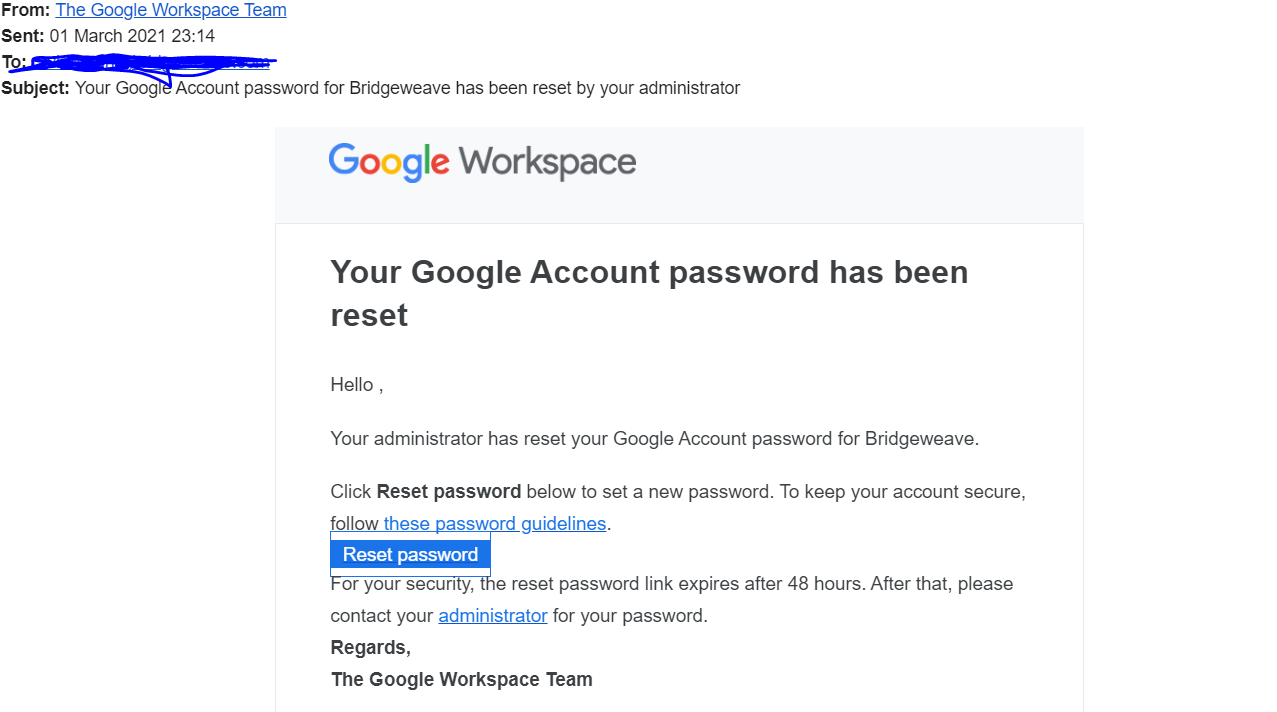
Google’s automated communications are sent from a no‑reply mailbox for a simple reason: they’re not meant to receive replies. By design, the address noreply@accounts.google.com signals that the email is informational only, directing users to take action through secure links or the Google Account dashboard instead of replying.
Most of the time, these messages are generated by Google’s internal systems—think two‑step verification codes, security alerts, or notifications about a new device signing in. Because the mailbox isn’t monitored, any reply would bounce, protecting Google’s support channels from being clogged with automated responses.
Common Types of Legitimate Emails from the Address
- Password‑reset instructions
- Two‑factor authentication codes
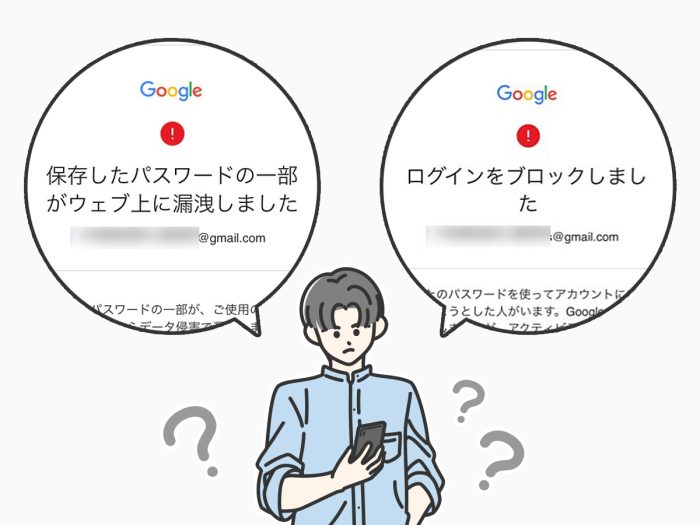
- Security alerts about suspicious sign‑ins
- Account activity summaries
- Billing or subscription updates for Google services
Each of these emails will typically contain a clear call‑to‑action that points back to an official Google URL (e.g., accounts.google.com) rather than an external site.
Red Flags That Suggest a Phishing Attempt
Scammers love to spoof familiar senders, and the noreply@accounts.google.com address is a prime target. Look for these warning signs:
- Misspelled domains: Addresses like noreply@accounts-gooogle.com or noreply@account.google.co are subtle tricks.
- Urgent language: Phrases such as “Your account will be locked in 5 minutes” create pressure.
- Suspicious links: Hover over any hyperlink; if the URL doesn’t start with
https://accounts.google.com, it’s likely malicious. - Unexpected attachments: Google rarely sends attachments from this address.
- Generic greetings: Legitimate Google emails address you by name or the email address linked to the account.
If any of these appear, treat the message as suspicious and verify before clicking.
How to Verify an Email’s Authenticity
Even a perfectly formatted email can be forged. Here are practical steps to confirm whether a noreply@accounts.google.com message is genuine:
1. Check the email headers
Most email clients let you view “raw” headers. Look for the “Received” lines that trace the message back to Google’s servers—usually mail‑gw.google.com or similar. If the path includes unrelated domains, the email is likely spoofed.
2. Hover over every link
Don’t click outright. Hovering reveals the true destination. A safe Google link will start with https://accounts.google.com/ and contain a long, random token after “?token=”. Anything else warrants caution.
3>Log in directly
Instead of following a link, open a new browser tab, go to https://accounts.google.com, and check the security notifications or recent activity section. If Google sent an alert, it will appear there.
4>Use Google’s “Check Email” tool
Google provides a verification service for Gmail users: https://support.google.com/mail/answer/8253. It explains how to spot phishing and offers a built‑in “Report phishing” button.
Best Practices for Handling No‑Reply Emails
Even when an email checks out, it’s wise to adopt habits that reduce risk:
- Keep your recovery phone number and backup email up to date.
- Enable two‑factor authentication (2FA) on your Google account.
- Never share verification codes or passwords via email.
- Regularly review the “Security” section of your Google Account for unknown devices.
- Consider using a password manager that can auto‑fill credentials without you needing to type them.
These measures make it harder for attackers to succeed, even if they manage to slip a convincing phishing email past your initial screening.
When to Report Suspicious Messages
If you’re convinced an email pretending to be from noreply@accounts.google.com is fraudulent, don’t just delete it. Reporting helps Google improve its filters and protects other users.
- In Gmail, click the three‑dot menu next to the message and select “Report phishing.”
- For other email providers, forward the suspicious email to phish@us-cert.gov (U.S.) or the equivalent local cybersecurity authority.
- Consider filing a report with Google’s “Report a security issue” form: https://safety.google/report/.
FAQ
Can I reply to noreply@accounts.google.com?
No. The mailbox is unmonitored, so any reply will bounce. If you need assistance, use the Google Help Center or the “Contact us” links inside a verified Google account page.
What should I do if I clicked a link in a suspicious email?
Close the tab immediately, run a malware scan on your device, and change your Google password from a trusted browser. Also check the “Recent activity” page for any unauthorized sign‑ins.
Do Google’s official emails ever ask for my password?
Never. Google will never request your password via email. Any message that asks you to type or share your password is a phishing attempt.
Is it safe to forward a Google security alert to a colleague?
Generally, yes—provided the email is genuine and you trust the recipient. However, avoid sharing verification codes, as they are intended for a single user’s session.