IP53 Rating Explained: What Dust and Splash Protection Means for Your Devices
When you see the label “IP53” on a gadget, you might wonder what that actually tells you about its durability. The IP rating, short for Ingress Protection, is a standardized way manufacturers communicate how well an enclosure keeps out solid objects and liquids. In this article we break down the IP53 code, show how it compares to other ratings, and give you practical tips on choosing the right device for your environment.
Decoding the IP Code
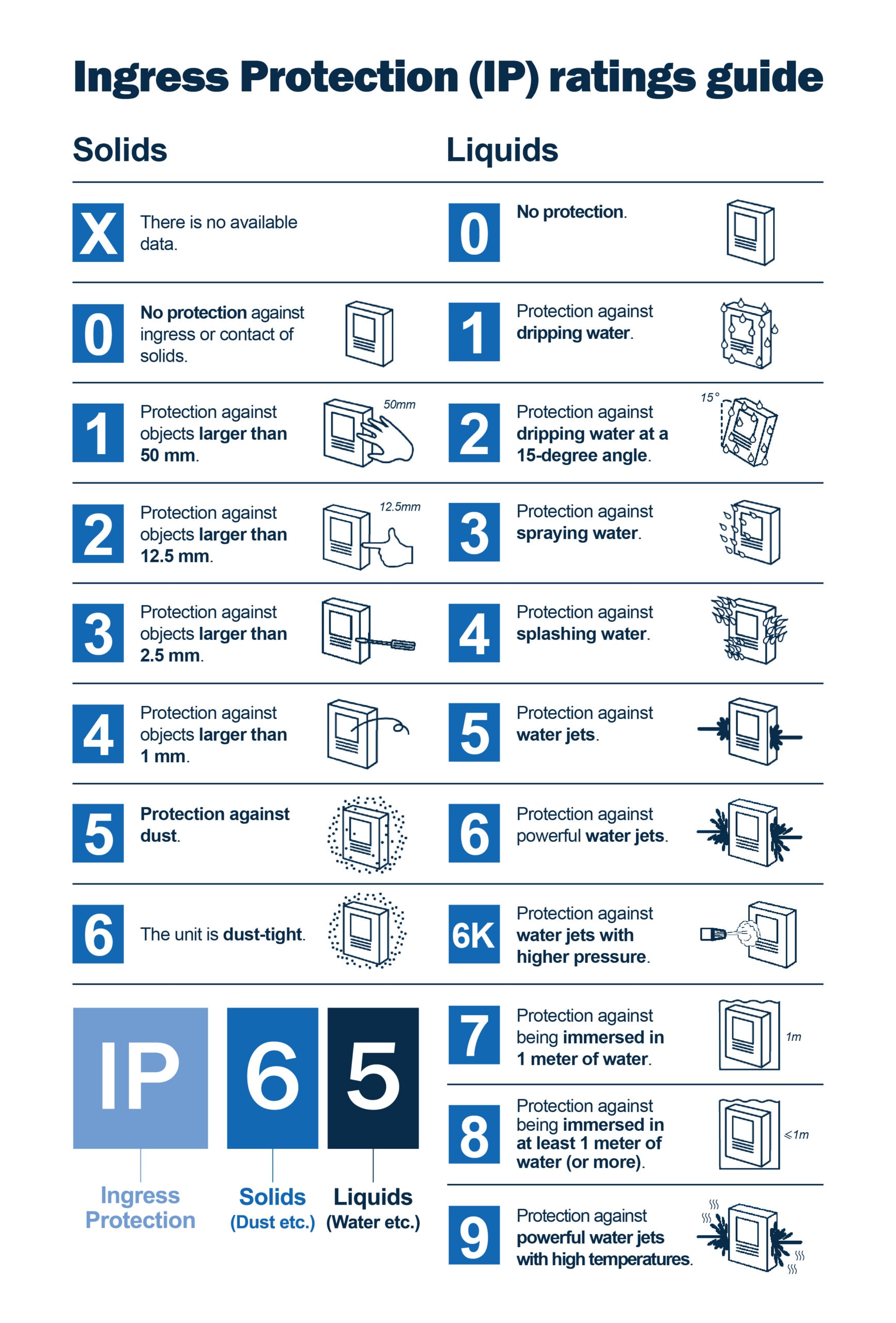
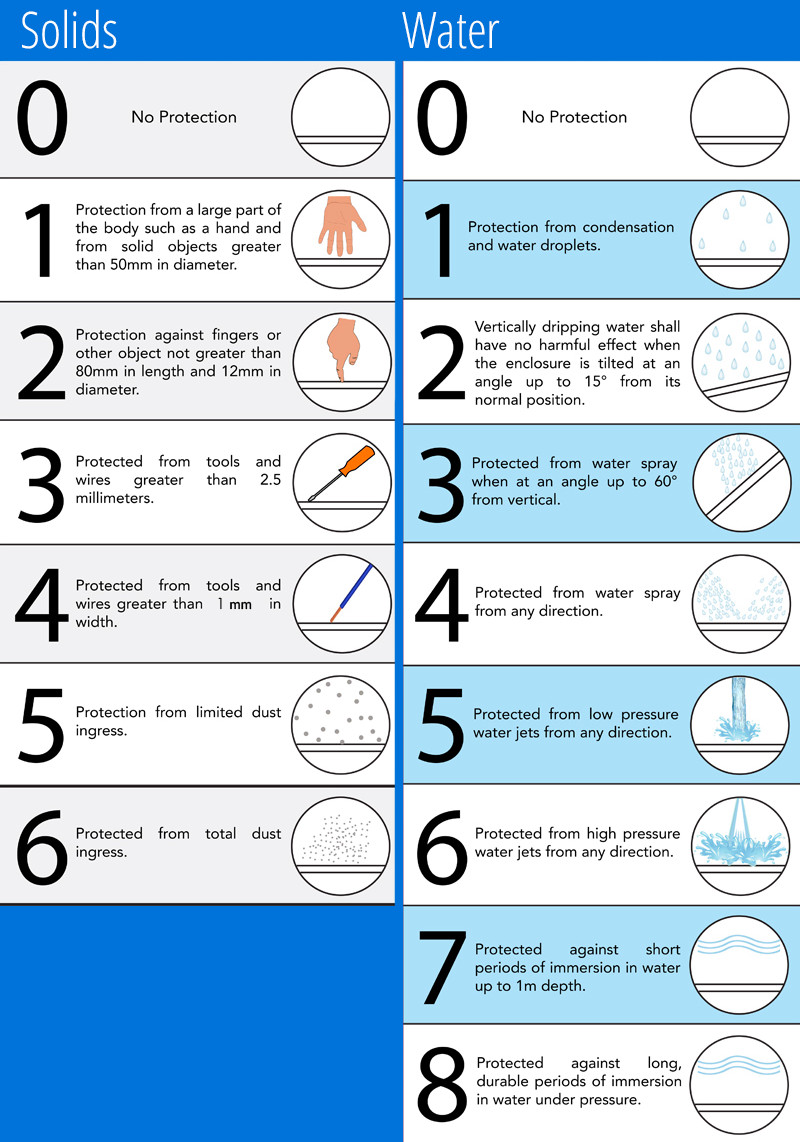
IP numbers consist of two digits after the “IP” prefix. The first digit measures protection against solids, while the second digit covers liquids. Each number corresponds to a specific level of defense, ranging from 0 (no protection) to 9 (highest protection). For IP53, the “5” indicates solid protection, and the “3” denotes liquid protection.
Solid Protection: The “5”
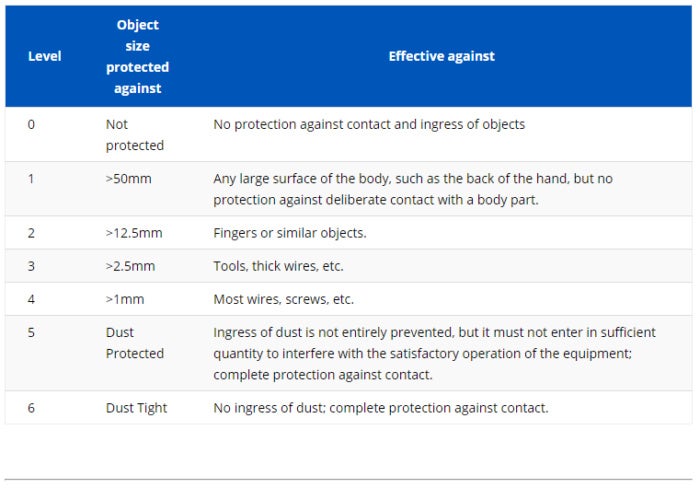
A “5” means the device is dust-protected. Dust can penetrate an enclosure, but it won't enter in a quantity that interferes with the device’s normal operation. In practical terms, you can work in dusty environments—like construction sites or industrial workshops—without worrying that particles will damage the internals. The enclosure may feel slightly gritty when touched, but that’s normal.
Liquid Protection: The “3”
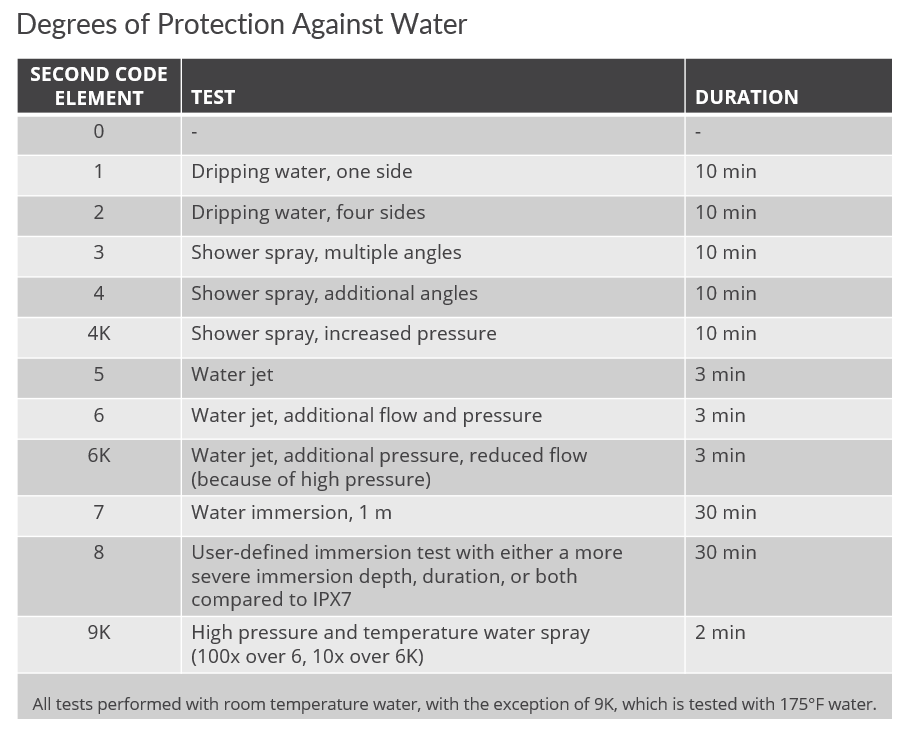
The “3” indicates splash protection. It guarantees resistance to water splashes from any direction. A typical scenario is a light rain shower or accidental spills on a desk. However, IP53 does not protect against immersion, heavy rain, or submersion in water. If you’re planning to use a device outdoors during a downpour, a higher liquid rating would be safer.
IP53 vs. Other Common Ratings
Understanding where IP53 stands helps you make an informed decision. Below is a quick comparison with some everyday ratings.
- IP54 – Dust-protected and protected against limited water jets. Slightly better for wet conditions.
- IP65 – Dust-tight and protected against water jets from any direction, suitable for harsher weather.
- IP67 – Dust-tight and waterproof up to 1 meter for 30 minutes; ideal for devices that might be submerged briefly.
So, while IP53 provides solid dust protection and splash resistance, it falls short of jet or immersion protection offered by higher numbers.
When IP53 Is Just Right
Choosing the right IP rating depends on your use case. IP53 shines in scenarios where dust exposure is moderate and occasional splashes are expected, such as:
- Office or home environments with dust from open windows.
- Outdoor recreational gear like portable speakers used on the beach.
- Industrial settings where light rain or moisture from machinery is common.
If your device will be exposed to heavy rain, submersion, or high-pressure water jets, look for IP65 or higher.
Testing and Certification
IP ratings are not arbitrary; they come from standardized tests set by IEC 60529. During the solid-protection test, a controlled amount of dust is introduced into a sealed enclosure while the device runs. For liquid protection, a spray gun or a water source simulates splashes. The test ensures the enclosure can withstand these challenges without compromising performance.
Manufacturers typically list the IP rating on product packaging, in user manuals, or on their websites. If you’re unsure, contact the vendor for documentation confirming the rating.
Common Misconceptions About IP53
One frequent misunderstanding is that “dust-protected” means the device is dust‑tight. IP53 allows dust to enter, but only in amounts that won’t disrupt operation. Another myth is that “splash protection” guarantees full waterproofing. It only covers light splashes, not submersion. Knowing the nuance helps prevent accidental damage.
Practical Tips for Extending Device Longevity
Even with an IP53 rating, a bit of extra care can extend your device’s life:
- Use protective covers or cases for extra dust defense.
- Keep the device away from direct water jets or large spills.
- Clean the exterior with a dry cloth to avoid trapping moisture in the seams.
- Store in a low‑humidity environment to reduce condensation risk.
When in doubt, err on the side of caution: if you expect heavy water exposure, opt for a higher IP rating.
Choosing the Right Device for Your Needs
Start by asking yourself:
- Will the device be exposed to dust or grit?
- How likely is it to encounter water splashes or light rain?
- Do I need protection against immersion or high‑pressure jets?
Match these questions to the IP rating. For most everyday consumer electronics, an IP53 is adequate. Outdoor enthusiasts or professionals working near water might require IP65 or higher.
FAQs About IP53 Rating
What does the “5” in IP53 mean?
The first digit indicates dust protection. A “5” means the device is dust‑protected, allowing dust to enter but not enough to interfere with operation.
Can I submerge an IP53 device?
No. IP53 does not protect against submersion; it only offers splash resistance. Submerging can damage the internal components.
Is IP53 better than IP54?
IP54 provides better liquid protection against water jets. If you need resistance to more forceful water, choose IP54 or higher.
How do I verify a device’s IP rating?
Check the product manual, packaging, or the manufacturer’s website. Official documentation or a stamped rating label confirms the classification.