Inflexibility in Business: Why It Hurts And How To Avoid It
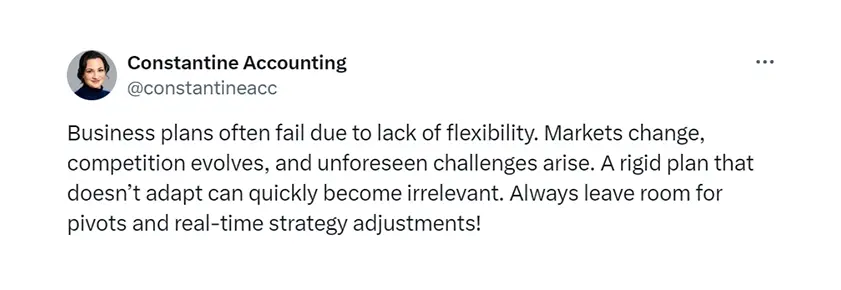
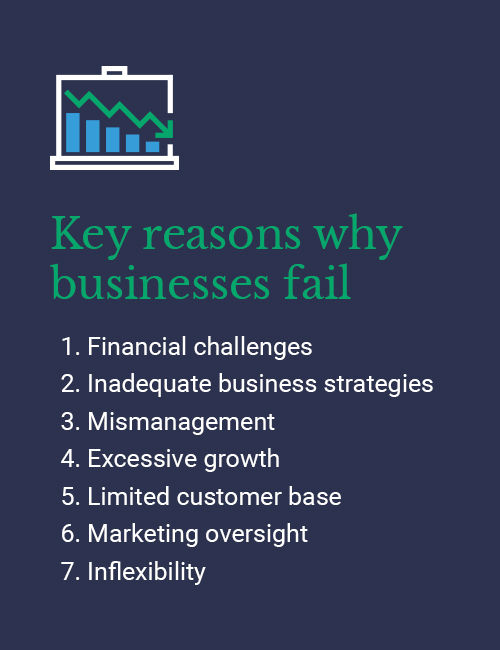
There is a seductive comfort in rigid structures. When you are building a company, chaos is terrifying. You want processes, predictable outcomes, and clear lines of authority. But the modern market doesn’t care about your comfort. It cares about speed, relevance, and the ability to pivot. Inflexibility in business is often the silent killer of growth, masquerading as discipline or stability. It’s not just about being stubborn; it’s about the inability to adapt when the ground shifts beneath your feet.
The Illusion of Stability
We often confuse consistency with inflexibility. Consistency means your customer knows what to expect from your product quality and customer service. Inflexibility, on the other hand, means you refuse to change even when the data tells you the world has moved on without you. Think of the last tech giant that stopped innovating because their legacy product was still profitable. For a few quarters, their bottom line looked great. Then, overnight, they weren’t relevant. That is the penalty of the "if it ain’t broke, don’t fix it" mindset in a digital economy. Technology breaks things. It disrupts entire industries before you even realize you’re in one.
Consider the traditional retail sector over the past decade. Many established brands knew e-commerce was coming. But their infrastructure was built for physical shelves, not digital carts. Their decision-making chains were too long. By the time an executive committee approved a digital strategy, competitors who started with nothing but code and agility had already captured the market. They weren’t smarter. They were just more flexible.
Why Rigidity Is Dangerous
The dangers of an inflexible business model are multifaceted. They don’t just show up in lost sales; they rot the culture from the inside out.
- Missed Opportunities: When you are locked into a specific path, you blind yourself to adjacent possibilities. A buffet that refuses to offer vegan options because "that’s not what we do" misses a massive demographic shift. It’s not just about food; it’s about seeing the changing appetites of the market.
- Rising Operational Costs: Inflexible processes are often bloated. Over time, bureaucracy adds layers of approval that serve no real purpose. These redundant steps slow down execution and burn cash on administrative overhead rather than innovation.
- Talent Drain: Modern employees, particularly younger generations, crave autonomy and impact. They can smell stagnation. If they feel they are working within a cage of red tape that prevents them from solving problems creatively, they leave. You end up with a workplace culture that values rule-following over problem-solving.
It’s worth noting that some level of structure is necessary. Total anarchy leads to chaos. But the goal isn’t to eliminate structure; it’s to make it permeable. Like a riverbed, the structure should guide the flow of water, not block it.
Decoding the Roots of Resistance
Before you can avoid inflexibility, you have to understand why it happens. It rarely stems from malice. More often, it’s fear. Fear of looking foolish if a pivot fails. Fear of the sunk cost fallacy—throwing good money after bad because we’ve already invested so much. Or it’s simply bureaucratic inertia, where the process of change is so tedious that status quo becomes the default winner.
Leaders often suffer from what psychologists call "escalation of commitment." The more resources they pour into a failing strategy, the harder they cling to it to justify their previous decisions. Recognizing this human element is the first step toward creating an organization that values truth over ego.
Cultivating Agility Without Chaos
So, how do you build a business that bends without breaking? It starts with shifting the metric of success.
1. Embrace Data Over Dogma
Decisions should be driven by real-time feedback, not by last year’s annual plan. Adopt a testing mindset. Instead of launching a massive, fully formed product, release a Minimum Viable Product (MVP). Gather user feedback. Iterate. If the data says “no,” kill the project quickly and cheaply. This isn’t failure; it’s intelligence. Amazon is famous for this. They try thousands of things. Most fail. But the few that succeed change the world because they were willing to be wrong early and often.
2. Flatten the Hierarchy
Speed requires proximity. If every decision needs to go up three levels of management to get a signature, you will lose to competitors who make decisions at the front line. Empower your teams. Give them the budget and the authority to solve customer problems without asking for permission. This doesn’t mean no oversight; it means trust. Define the boundaries, then let your employees play within them.
3. Build Cross-Functional Teams
Silos are the enemy of flexibility. Marketing sits in one corner, engineering in another, and sales in a third. When they don’t talk, adaptation is slow. Create cross-functional squads that bring diverse perspectives together to solve specific problems. A designer talking to a developer and a customer support rep simultaneously identifies friction points faster than any quarterly review meeting ever could.
Conclusion
Avoiding inflexibility isn’t about having all the answers. It’s about asking better questions and having the humility to change your tune when the answers shift. The market is a living, breathing entity. It evolves daily. Your business must be a living organism too—capable of growth, adaptation, and survival. Don’t let your structures become your shackles. Keep them loose enough to dance, but strong enough to hold up your vision.
Frequently Asked Questions
Is it possible to be too flexible?
Yes. Without core values or a clear long-term vision, "flexibility" can look like aimless drifting. You need a sturdy spine—your mission and brand identity—so that your tactical pivots still move you in the right direction. Flexibility is about the how, not the why.
How do I introduce change in a resistant company culture?
Start small. Pick one low-risk area to implement a new, more agile process. Show the results. Use those wins to build momentum. People resist change because the cost of change feels higher than the benefit. Prove the benefit exists, and the resistance softens.
Does being flexible mean changing my business model constantly?
Not necessarily. In a rapidly changing industry like tech, frequent adaptation is normal. In a stable industry like utility or construction, changes might be slower. The key is responsiveness. If your industry is static, your processes should be efficient. If it’s volatile, your processes must be agile. Match your flexibility to your market environment.
How can I tell if my business is becoming inflexible?
Watch the complaint volume regarding internal processes. If employees are spending more time wrestling with internal red tape than serving customers, you are becoming rigid. Also, track your time-to-market for new ideas. If it’s getting longer despite the same team size, bureaucracy is creeping in.