Industrial Cooling Water Systems: A Complete Guide
Industrial cooling water systems keep engines, turbines, and process equipment from overheating by circulating water that absorbs and transports heat. Whether you’re designing a new plant or troubleshooting an existing unit, understanding the fundamentals—from heat exchangers and pumps to treatment chemicals and control strategies—helps maintain efficiency, extend equipment life, and comply with environmental regulations. This guide walks through every component, operational principle, and best practice you’ll need to master.
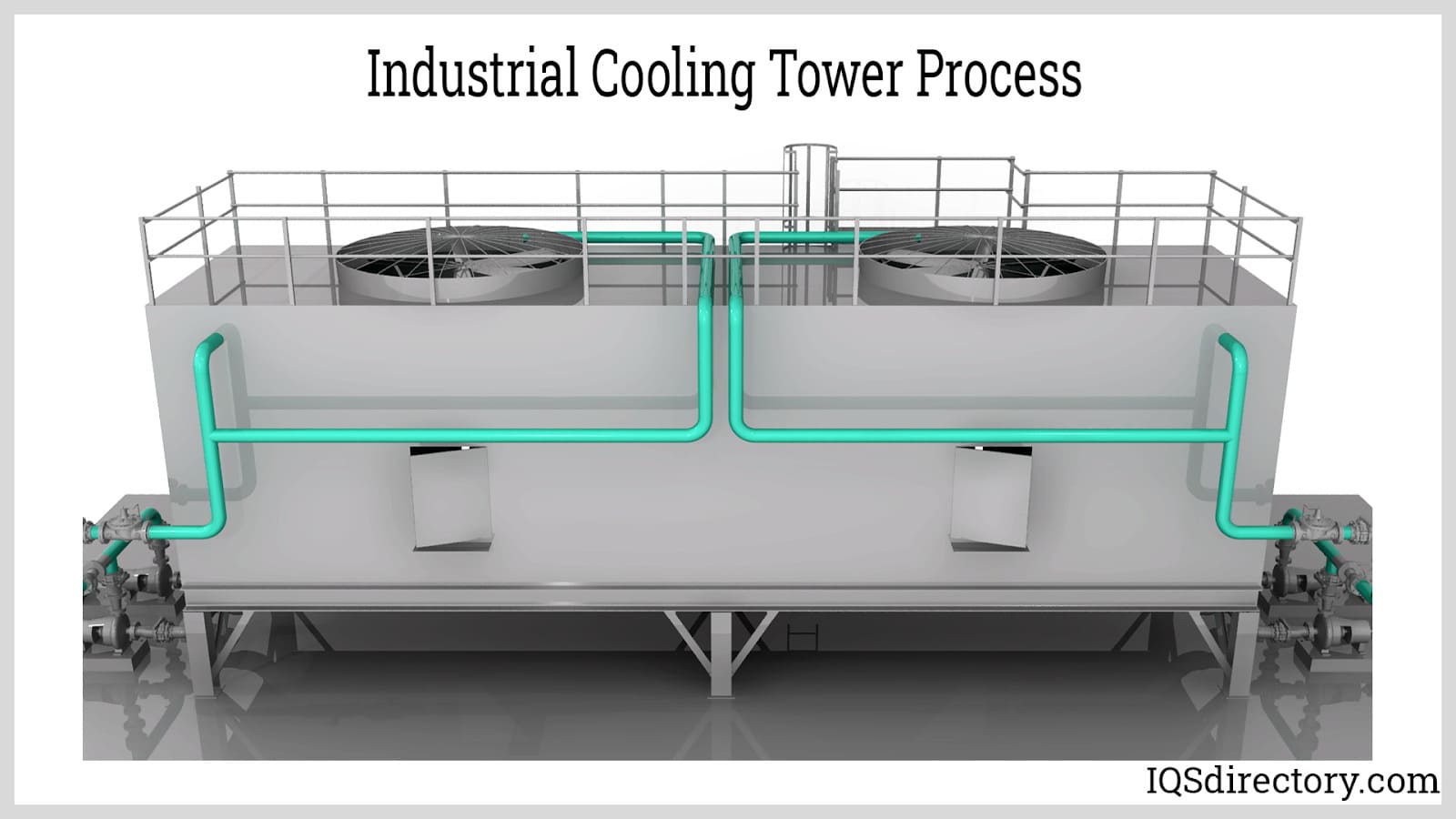
Industrial Cooling Water Systems: Core Components
- Heat Exchangers – The primary interface where process heat is transferred to the cooling water. Shell‑and‑tube, plate, or finned‑tube designs are common, chosen for pressure, temperature, and fouling tolerance.
- Water‑Supply Pumps – Drive the circulation loop; centrifugal pumps dominate due to reliability and ease of control.
- Return and Makeup Lines – Return piping carries warmed water back to the heat exchanger, while makeup lines add fresh water to offset evaporation, blowdown, and leaks.
- Chemical Injection Systems – Maintain water chemistry, preventing scale, corrosion, and biological growth.
- Control & Monitoring Electronics – Sensors, PLCs, and SCADA panels manage flow, temperature, pH, and conductivity in real time.
- Water Treatment Units – Filtration, softening, and reverse‑osmosis modules keep feed water clean and reduce fouling risk.
- Blowdown Stations – Remove concentrated contaminants, typically at 5–20% of total flow, to keep water quality within spec.
Heat Transfer Fundamentals
Heat transfer in a cooling loop follows three steps: conduction through the heat‑exchanger wall, convection from the hot surface to the water, and convection from water to the surrounding air. The overall effectiveness, U‑value, depends on wall thickness, material thermal conductivity, and the surface area available for transfer. Engineers often target a U‑value that balances cost against the desired cooling capacity. In practice, a higher surface area or thinner walls yield lower temperatures, but also increase pressure drop and pump energy.
Choosing the Right Pump
Pump selection hinges on head‑flow curves, system resistance, and power consumption. A typical rule of thumb is to pick a pump that can deliver the required flow at a point near the peak of the head‑flow curve to reduce vibration and cavitation. Variable‑frequency drives (VFDs) are now standard, allowing operators to adjust flow to match real‑time demand, thereby saving up to 30 % of energy costs during off‑peak periods.
Water Chemistry Management
Maintaining proper water chemistry is the cornerstone of long‑term reliability. Key parameters include pH (6.5‑7.5), total dissolved solids (TDS), hardness, and conductivity. Scale inhibitors—often phosphates or organic chelators—prevent calcium carbonate buildup, while corrosion inhibitors such as molybdates or silicates protect metal surfaces. Biological control typically relies on biocides like chlorine or bromine; dosing schedules are usually tied to temperature and conductivity thresholds.
Common Water Treatment Strategies
- Softening – Ion‑exchange resins replace calcium and magnesium ions with sodium, reducing hardness.
- Filtration – Sand and cartridge filters capture suspended solids before they reach heat exchangers.
- Reverse Osmosis – For high‑quality feed water, RO removes most dissolved solids, though it increases energy demand.
- Chemical Injection – Continuous dosing of inhibitors ensures that chemistry stays within the target window.
Control Strategies for Optimal Performance
Modern industrial cooling systems rely on a layered control approach: primary control maintains flow via the pump, secondary control adjusts temperature setpoints, and tertiary logic integrates safety interlocks and alarm thresholds. PID controllers are the standard, but many plants now employ predictive analytics that anticipate load changes and pre‑adjust flow, reducing temperature swings.
Common Faults and Troubleshooting Tips
- High Temperature Rise – Check for fouling, low flow, or insufficient heat‑exchanger surface area.
- Excessive Pump Noise – Inspect impeller balance, check for cavitation, or verify correct VFD speed.
- Water Chemistry Drift – Run quick tests on pH and conductivity; verify dosing equipment alignment.
- Blowdown Losses – Ensure blowdown valves are sized properly and not over‑draining during high‑temperature cycles.
Regulatory and Environmental Considerations
Many jurisdictions require compliance with effluent discharge limits, especially when cooling towers or evaporative condensers are involved. Minimizing evaporation and blowdown not only saves water but also reduces the concentration of pollutants released downstream. In some regions, closed‑loop systems are mandated to avoid thermal pollution of nearby water bodies.
Emerging Trends
Several innovations are reshaping industrial cooling water systems:
- Hybrid Cooling Loops – Combining once‑through and closed‑loop sections to balance energy use and water consumption.
- Smart Sensors – IoT‑enabled probes provide real‑time data on temperature, flow, and chemical levels, enabling remote diagnostics.
- Eco‑Friendly Inhibitors – Phosphate‑free scale inhibitors reduce environmental impact when water is discharged.
- Heat‑Recovery Units – Capturing waste heat for pre‑heating feed water or other process steps.
Conclusion
Industrial cooling water systems are complex, yet mastering their design and operation brings tangible benefits: lower energy bills, longer equipment life, and regulatory compliance. By carefully selecting components, managing water chemistry, and leveraging modern controls, facilities can achieve high efficiency while protecting the environment.
FAQ
- What is the typical lifespan of a cooling water pump?