How Traction Control Keeps Your Car on the Road: A Quick Read
Ever found yourself sliding out of control on a wet highway or a dusty off‑road trail? Traction control is the unsung hero that helps prevent that panic. It’s a safety feature built into most modern vehicles, quietly managing wheel spin so you can stay on the road—no matter the conditions.
What Is Traction Control?
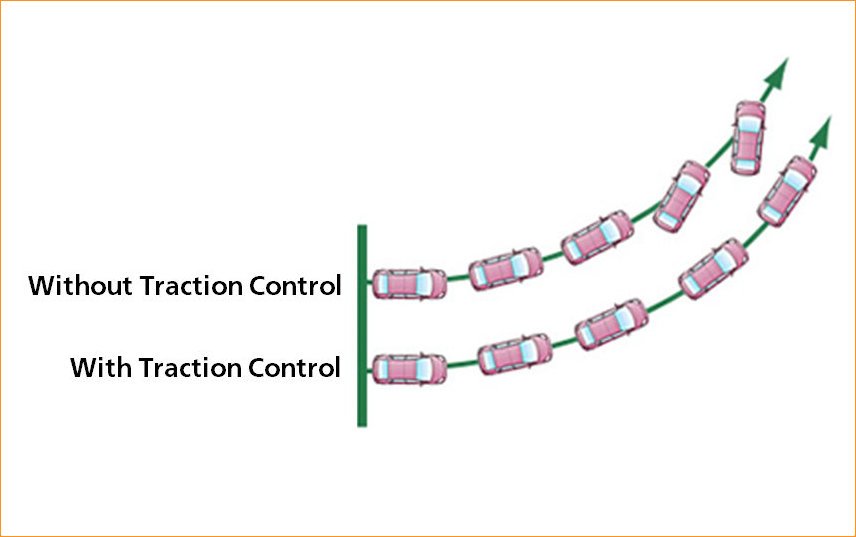
At its core, traction control is a system that monitors the speed of each wheel. When it detects that one wheel is turning faster than the others, the system intervenes by reducing engine power or applying brakes to that wheel. The result is a smooth, stable drive even when traction is low.
Most drivers never see the system in action; it works behind the scenes. But understanding its mechanics can help you appreciate how it keeps you safe, especially in challenging weather or terrain.
How Does It Detect Wheel Spin?
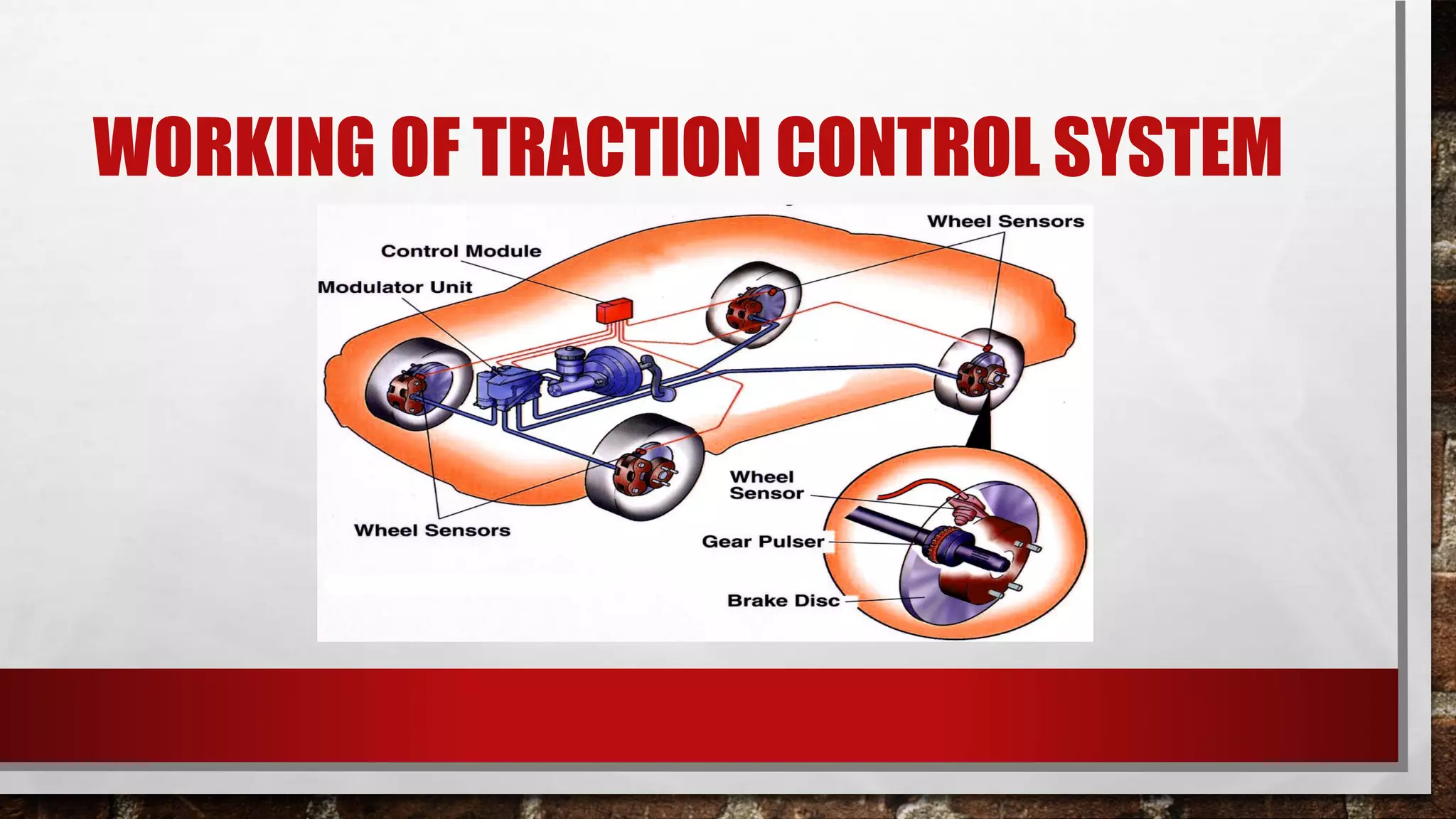
The heart of the system is the wheel speed sensor. Each wheel sends a signal to the car’s electronic control unit (ECU). If the ECU notices a discrepancy—say the front left wheel is spinning while the others are not—it flags a potential loss of traction.
Modern vehicles often pair this sensor network with additional data from the vehicle stability control (VSC) and yaw rate sensor. By combining wheel speed with vehicle orientation, the ECU can pinpoint where the car is slipping.
What Happens When Traction Control Engages?
- Throttle Management: The system may cut a small amount of fuel or disable the ignition of the affected wheel’s engine. This reduces torque.
- Brake Intervention: In many cars, the ECU applies the brake to the slipping wheel, creating a torque differential that pulls the vehicle back on track.
- Communication with Stability Control: Traction control often works hand‑in‑hand with VSC to correct steering and yaw, ensuring the car doesn’t drift.
Because the response is rapid—often within milliseconds—drivers feel a subtle, almost imperceptible help that keeps the vehicle planted.
When Is Traction Control Most Needed?
While the system is always active, it shines in conditions that reduce traction:
- Rain, fog, or snow on highways
- Loose gravel or wet pavement on rural roads
- High‑speed turns on paved or unpaved surfaces
- Sudden acceleration after stopping or during quick overtakes
Even in everyday driving, traction control can aid in smooth starts on a slope or in preventing wheel hop when you press the gas too hard.
Can You Turn Traction Control Off?
Most manufacturers provide a toggle on the dash or a button in the glove compartment. Disabling the system is usually allowed for off‑road enthusiasts who prefer full throttle control. However, keeping it on is recommended for most drivers because:
- It improves safety by reducing the risk of uncontrolled slides.
- It helps the vehicle’s stability systems perform more effectively.
- It can reduce wear on tires and brakes by preventing unnecessary spinning.
If you do turn it off, remember that the vehicle’s stability control will still engage if it detects a loss of control.
How Traction Control Interacts With Other Safety Systems
Traction control is part of a broader suite of electronic stability aids. When the system identifies wheel slip, it may simultaneously adjust steering inputs via the Electronic Power Steering (EPS) system to correct yaw. Meanwhile, Anti‑Lock Braking System (ABS) ensures the brakes do not lock during an emergency stop. Together, they create a safety net that’s far more effective than any single component.
Common Misconceptions About Traction Control
“It’s a fancy name for ABS.” ABS prevents wheel lock during braking, while traction control focuses on preventing wheel spin during acceleration.
“It makes my car slower.” The system only reduces power when necessary. On normal roads, you’ll notice no difference in acceleration or top speed.
“I should never disable it.” In some racing or off‑road scenarios, drivers may choose to disable it for maximum control. However, most everyday situations benefit from keeping it active.
Checking Your Traction Control Status
Modern cars usually display a “TRAC” or “TCS” light on the instrument panel. If the light stays on continuously or flashes, it may indicate a fault. Common issues include:
- Faulty wheel speed sensor
- Brake system malfunction
- Electrical issues in the ECU
When in doubt, consult your owner’s manual or have a professional diagnostic test performed.
Final Thoughts
Traction control may work quietly behind the wheel, but its impact on safety is loud and clear. From everyday commuting to sudden weather changes, it ensures your car stays planted and responsive. Keep the system enabled, stay aware of the conditions, and let the technology do its job—so you can enjoy the ride with confidence.
FAQ
What does the traction control warning light mean? It indicates a potential fault in the system, such as a sensor or brake issue. Have it checked promptly.
Can I drive without traction control on snowy roads? It's possible, but not advisable. Traction control reduces the likelihood of sliding, making it safer and more stable.
Does traction control affect fuel economy? Only minimally. Since it reduces power only when necessary, any fuel savings are negligible compared to its safety benefits.
How do I reset the traction control system? Typically, you can reset it by disconnecting the battery for a few minutes or using the vehicle’s diagnostic mode. Refer to your owner’s manual for specific procedures.