How to Upcycle Plastic Rattan Furniture for a Fresh Look
Why Plastic Rattan Deserves a Second Chance
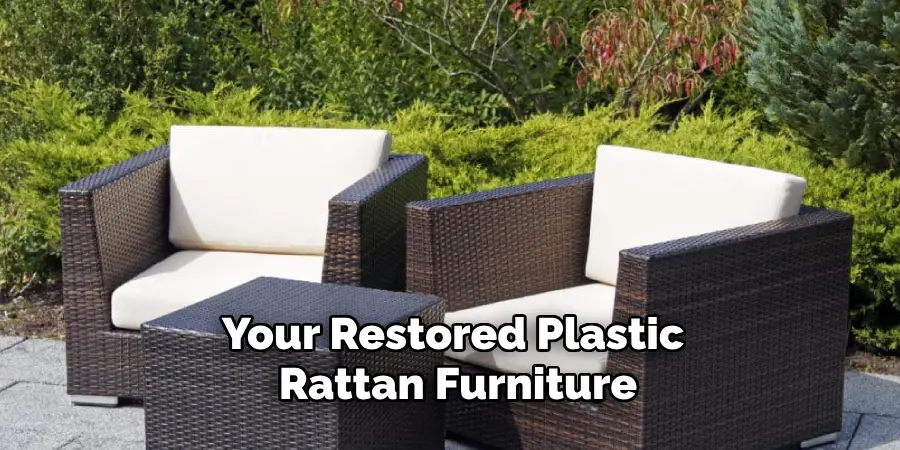
Plastic rattan has become a staple in outdoor and indoor spaces because it mimics the look of natural wicker without the same level of maintenance. Over time, sunlight, rain, and everyday wear can leave the material faded, brittle, or cracked. Instead of sending those pieces to the landfill, a thoughtful upcycling project can restore their charm while keeping plastic out of the waste stream.
Assessing the Condition of Your Piece
Before you dive into any makeover, take a moment to evaluate the structural integrity of the furniture. Look for broken ribs, loose joints, and any areas where the weave has come apart. A piece that still holds weight and has a solid frame is a good candidate for a DIY rescue.
Spotting Common Issues
Fading or discoloration: UV exposure often turns the bright polymer dull.
Cracks and splits: These typically appear along the ribs where stress concentrates.
Loose or missing connectors: Screws or plastic clips can loosen with repeated use.
Gathering the Right Tools and Materials
Having the proper supplies speeds up the process and reduces frustration. Below is a concise checklist of what you’ll likely need.
- Soft brush or sponge
- Mild detergent or a dedicated plastic cleaner
- Fine‑to‑medium sandpaper (120–220 grit)
- Plastic‑safe primer and spray paint (choose a color that complements your décor)
- Marine‑grade sealant or clear acrylic spray for protection
- Adhesive fabric or outdoor cushions for added comfort
- Replacement clips or small stainless‑steel screws
- Protective gloves and a mask for sanding and painting
Step‑by‑Step Upcycling Process
1. Clean and Prep the Surface
Start by removing dust, pollen, and grime. Mix a few drops of dish soap with warm water, scrub gently, and rinse thoroughly. Let the piece dry completely—any lingering moisture can interfere with paint adhesion.
2. Repair Cracks or Broken Weave
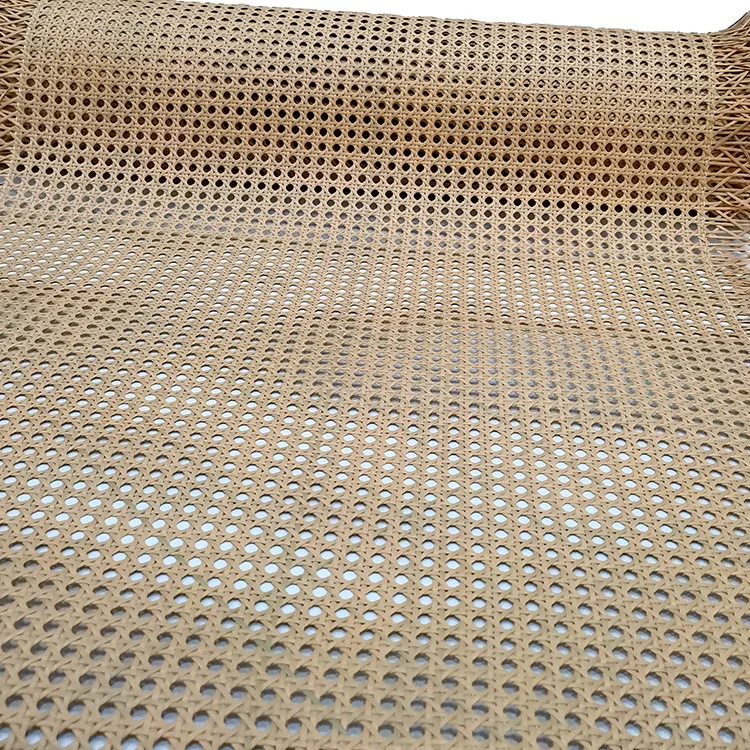
If you find small cracks, a flexible plastic epoxy works well. Apply a thin layer, smooth it with a putty knife, and allow it to cure per the manufacturer’s instructions. For larger sections where the weave has broken, consider using a strong, UV‑resistant adhesive to re‑attach the strands, or replace the damaged segment with a new strip of plastic rattan purchased online.
3. Repaint or Re‑finish
Lightly sand the entire surface to create a “tooth” for the primer. Wipe away the dust, then spray a thin coat of plastic‑compatible primer. Once the primer is dry, apply two to three light coats of your chosen paint, allowing each layer to dry before adding the next. This layered approach prevents drips and yields a more even color.
4. Add Cushions or New Textiles
Fresh cushions can instantly transform the look and comfort level. Choose weather‑proof fabric for outdoor pieces, and secure them with hidden Velcro strips or tie‑backs. If the original seat has a plastic cover, you can replace it with a removable fabric slip—just cut to size and attach with a zip or strong adhesive tape.
5. Seal for Longevity
Finish with a clear marine‑grade sealant. This extra barrier guards against UV rays, rain, and temperature swings. Spray evenly, let it cure for at least 24 hours, and you’ll have a surface that stays vibrant for seasons to come.
Design Ideas to Inspire Your Project
Even a simple color change can breathe new life into a tired piece. Here are a few directions you might explore:
- Bold monochrome: Paint the entire frame a deep navy or forest green for a modern vibe.
- Two‑tone contrast: Pair a light base with dark legs to emphasize shape.
- Natural accents: Add woven jute or bamboo trim to soften the plastic’s synthetic feel.
- Patterned upholstery: Choose geometric or tropical prints that echo the rattan’s texture.
Maintaining Your Upcycled Piece
Regular care extends the lifespan of your refreshed furniture. Wipe down with a damp cloth monthly, and reapply a thin coat of sealant every year if the piece stays outdoors. Check connectors annually; tightening a loose screw is far easier than dealing with a collapsed chair later.
FAQ
What type of paint works best on plastic rattan? Look for paints specifically labeled “plastic” or “synthetic wicker.” These formulas contain adhesion promoters that bond well to polymer surfaces.
Can I upcycle a piece that has deep cracks? Small to medium cracks can be repaired with flexible epoxy. For extensive damage, it may be more practical to replace the broken sections with new rattan strips rather than attempting a full structural fix.
Is sanding necessary before painting? Yes, sanding creates a roughened surface that helps primer and paint adhere uniformly, reducing the risk of peeling.
How often should I reseal the furniture? Once a year is a good rule of thumb for outdoor use. In milder indoor environments, resealing every two years is usually sufficient.