How to Unlock Your Vocal Power with Mixed Voice Techniques
When singers talk about “mixed voice,” they’re usually referring to that sweet spot where chest depth meets head brightness. Finding that balance can feel like discovering a hidden gear in your vocal engine, giving you more range, stamina, and control without straining. Whether you’re a budding performer or a seasoned vocalist looking to add polish, mastering mixed voice is the key to unlocking lasting vocal power.
What Exactly Is Mixed Voice?
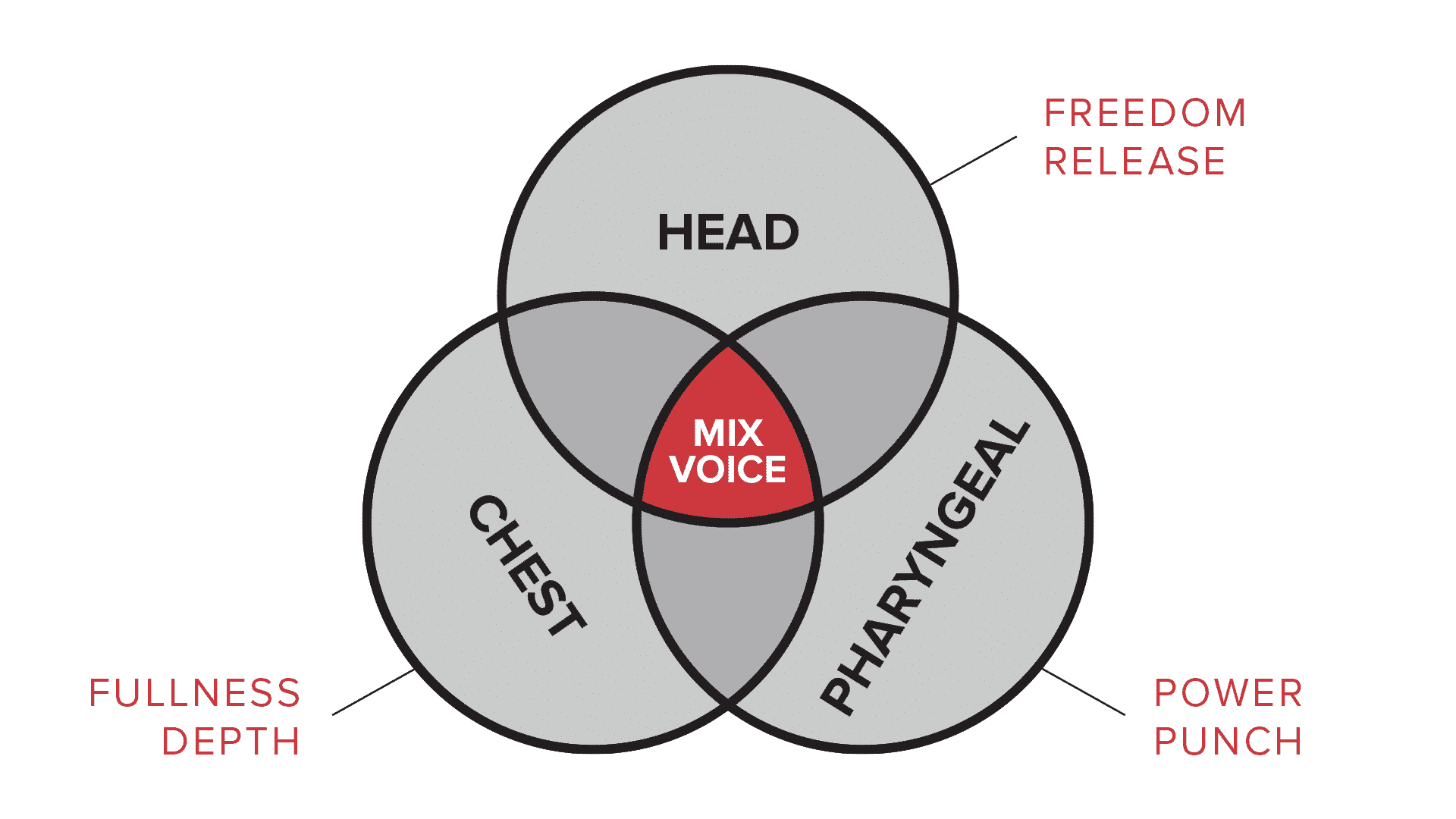
Mixed voice isn’t a mysterious magical register; it’s simply the blend of the low‑frequency vibrations of your chest voice with the lighter, resonant qualities of your head voice. Think of it as a vocal bridge that lets you glide from a low, robust tone to a high, airy note without a noticeable “break.” This seamless transition is what makes many pop, rock, and musical‑theatre singers sound effortless.
Why Mixed Voice Boosts Your Vocal Power
First, mixed voice spreads the workload across both vocal folds, reducing the risk of fatigue. Second, because you’re using more of your natural resonance, the sound projects louder and clearer with less breath pressure. Finally, the flexibility of the mix lets you add dynamic contrast—soft verses can suddenly swell into powerful choruses without sounding forced.
Key Elements to Build a Strong Mixed Voice
Developing a reliable mix involves three core areas: breath support, vocal placement, and smooth registration transition.
- Breath Support: Think of your breath as a steady stream of water rather than a burst of wind. Engage the diaphragm by inhaling low, feeling the ribs expand, and maintain a gentle, continuous pressure as you sing.
- Vocal Placement: Imagine directing the sound toward the mask of your face—around the cheekbones and forehead. This “forward” placement encourages a brighter tone that blends well with chest resonance.
- Registration Transition: Practice sliding between notes (often called “sirens” or “glides”) to feel where the chest voice yields to head voice. The goal isn’t to eliminate the break but to smooth it out.
Step‑by‑Step Practice Routine
Below is a concise routine you can incorporate into a 15‑minute warm‑up. Consistency matters more than length.
- Begin with diaphragmatic breaths: inhale for a count of four, hold two, exhale on “sss” for six. Repeat three times.
- Do “lip trills” on a comfortable mid‑range note, gradually moving up and down the scale. Focus on keeping the airflow steady.
- Sing a five‑note arpeggio (1‑3‑5‑3‑1) using a vowel like “ah.” Start in chest voice, slide into head voice on the top note, then return. Aim for a seamless blend.
- Practice “sirens” from your lowest note to your highest, pausing briefly where you feel the register shift. Try to keep the tone even throughout.
- Finish with a short phrase from a song you love, applying the mix you just explored. Record yourself to catch any unnoticed breaks.
Common Pitfalls and How to Avoid Them
Many singers stumble when they try to force the mix. Here are a few red flags and fixes:
- Over‑compression: Squeezing the throat creates tension. If you feel a “tightness” in the neck, back off and re‑focus on breath flow.
- Relying on “head voice” too early: Jumping straight to head voice can make the transition abrupt. Start in chest, then gradually lift the resonance.
- Neglecting vowel shaping: Vowels narrow as you ascend; keep them open and relaxed to maintain a consistent timbre.
Integrating Mixed Voice Into Performance
Once you’ve built a reliable mix, think about its role on stage. Use mixed voice for climactic moments where you need both power and agility—high belted notes, dynamic bridges, or emotional crescendos. Pair it with strategic dynamic control: sing louder in the mix, then pull back to a lighter head voice for contrast. The result is a performance that feels both polished and emotionally resonant.
FAQ
Q: How long does it typically take to develop a solid mixed voice?
A: Progress varies, but most singers notice improvement after a few weeks of daily, focused practice. Consistency beats occasional marathon sessions.
Q: Can mixed voice be used for all musical styles?
A: Absolutely. While pop and musical theatre rely heavily on the mix, rock singers use it for gritty belts, and classical crossover artists employ it for smoother legato lines.
Q: Should I work with a vocal coach to learn mixed voice?
A: A coach can provide immediate feedback and correct subtle tension that’s hard to self‑diagnose. However, many singers achieve solid results with disciplined self‑practice and recordings.
Q: Is mixed voice the same as “middle voice”?
A: The terms are often used interchangeably, though “middle voice” sometimes emphasizes the specific range, while “mixed voice” highlights the blend of registers.


.jpg)