How to Stay Safe During a BOM Cyclone: Essential Tips
When the Bureau of Meteorology (BOM) issues cyclone warnings, the sky can turn ominous and the wind may start to howl. Those alerts are more than just headlines—they’re a cue to act, protect, and plan. This guide walks you through the basics of BOM cyclone weather and hands you practical steps to keep you and your family safe before, during, and after a storm.
Understanding BOM Cyclone Weather
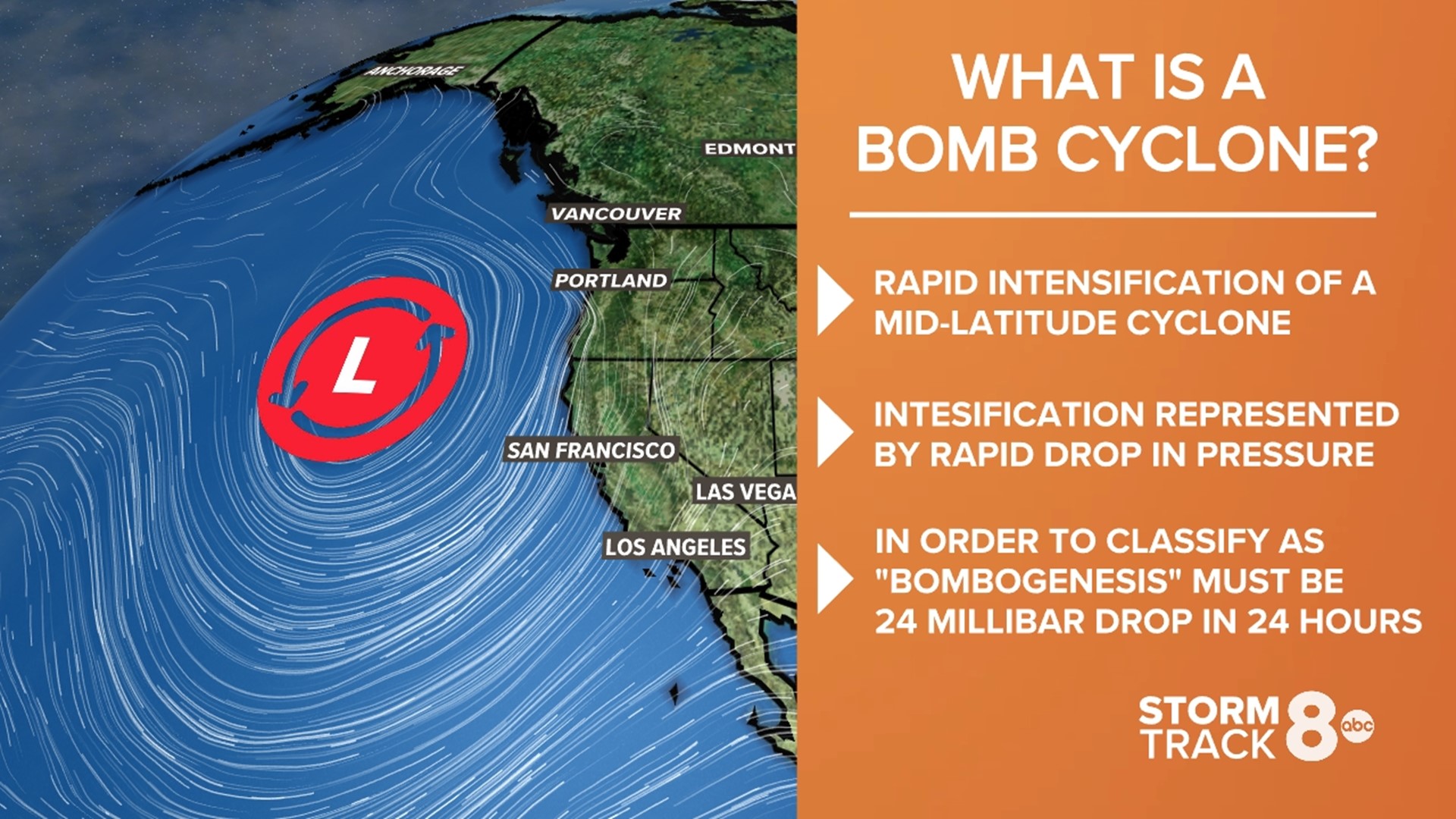
BOM’s cyclone forecasts blend satellite imagery, ocean temperature data, and atmospheric models to predict the path and intensity of tropical cyclones. In Australia, cyclones usually form between November and April, when warm sea surfaces provide the fuel they need. The agency classifies them on a scale from Category 1 (wind speeds of 63–88 km/h) up to Category 5 (exceeding 200 km/h). Knowing the category helps you gauge how much preparation is required.
Besides wind, BOM tracks storm surge—a sudden rise in sea level that can flood low‑lying coastal areas. Rainfall can be intense, sometimes exceeding 200 mm in a few hours, leading to flash floods. By keeping an eye on BOM’s online maps or mobile alerts, you’ll see these hazards coming together, giving you a clearer picture of the risk.
Preparing Your Home Before a Cyclone
Early preparation can make the difference between a minor inconvenience and a major disaster. Start with these key actions:
- Secure windows and doors. Install storm shutters or board up glass with plywood. Tape around the edges can help keep wind‑driven debris out.
- Trim trees and shrubs. Remove dead branches that could become projectiles. Keep lawns short to reduce fuel for potential fires. Check your roof. Tighten loose tiles or corrugated steel, and replace any cracked flashing.
- Gather an emergency kit. Include water (at least three liters per person per day), non‑perishable food, a first‑aid kit, flashlight, extra batteries, a battery‑powered radio, and any prescription medication.
- Charge devices. Fully charge phones, tablets, and power banks. If you have a solar charger, set it up now.
Don’t forget to protect important documents—store them in a waterproof container or back them up digitally.
What to Do When a Cyclone Hits
Once the warning escalates to a “cyclone watch” or “cyclone warning,” move to a safe room. This is typically an interior space on the lowest floor, away from windows. If you live in a high‑rise building, stay on the ground floor if possible, but avoid elevators during the storm.
Keep your battery‑powered radio tuned to BOM updates; the agency may adjust the cyclone’s track or issue evacuation orders. If you’re instructed to evacuate, follow the designated routes—these are planned to avoid flood‑prone roads.
Inside your safe room, stay calm and keep the lights off to reduce fire risk. Use flashlights rather than candles, and keep doors and shutters closed. If the power goes out, your emergency kit should provide enough light and warmth for at least 24 hours.
After the Storm – Recovery and Safety Checks
When the winds finally subside, it’s tempting to rush outside, but caution is essential. First, listen for the all‑clear from BOM. Even after the main eye passes, the storm can produce dangerous squalls.
Do a quick visual inspection before entering the house:
- Look for downed power lines. Treat them as live wires—keep a safe distance and report them immediately.
- Check for water intrusion. Use buckets to divert water away from electrical outlets.
- Inspect the roof for missing shingles or torn metal panels. Temporary fixes can prevent further damage until a professional can repair them.
- Beware of hidden debris—sharp glass, branches, or loose nails can cause injuries.
If you notice structural damage or suspect gas leaks, vacate the property and call emergency services. Document any losses with photos; this will help with insurance claims later.
Finally, replenish your emergency supplies. Replace consumed water, food, and batteries, and restock any first‑aid items you used. Keeping the kit ready ensures you’re prepared for the next alert.
Frequently Asked Questions
How far in advance does BOM issue cyclone warnings? BOM typically releases a cyclone watch 24–48 hours before the system is expected to affect an area, followed by a warning when the storm is within 100 km. The timing can vary with each system’s speed and trajectory.
What should be in an emergency kit for a cyclone? At minimum, include three days’ worth of water, non‑perishable food, a first‑aid kit, flashlights, spare batteries, a battery‑powered radio, and essential medications. Adding a whistle, multi‑tool, and waterproof matches can be helpful.
How can I stay informed during a cyclone? Sign up for BOM’s SMS alerts, follow their official social media channels, and keep a battery‑powered radio handy. Local councils often broadcast evacuation notices on community radio frequencies.
Is it safe to drive after the cyclone passes? Only after you’ve confirmed that roads are clear and there are no standing water hazards. Flooded roads can hide deep channels or debris that may damage your vehicle or cause accidents.
.jpg)